
Get trending papers in your email inbox once a day!
Get trending papers in your email inbox!
Subscribe
Turing Machine Evaluation for Large Language Model
With the rapid development and widespread application of Large Language Models (LLMs), rigorous evaluation has become particularly crucial. This research adopts a novel perspective, focusing on evaluating the core computational reasoning ability of LLMs, defined as the capacity of model to accurately understand rules, and execute logically computing operations. This capability assesses the reliability of LLMs as precise executors, and is critical to advanced tasks such as complex code generation and multi-step problem-solving. We propose an evaluation framework based on Universal Turing Machine (UTM) simulation. This framework requires LLMs to strictly follow instructions and track dynamic states, such as tape content and read/write head position, during multi-step computations. To enable standardized evaluation, we developed TMBench, a benchmark for systematically studying the computational reasoning capabilities of LLMs. TMBench provides several key advantages, including knowledge-agnostic evaluation, adjustable difficulty, foundational coverage through Turing machine encoding, and unlimited capacity for instance generation, ensuring scalability as models continue to evolve. We find that model performance on TMBench correlates strongly with performance on other recognized reasoning benchmarks (Pearson correlation coefficient is 0.73), clearly demonstrating that computational reasoning is a significant dimension for measuring the deep capabilities of LLMs. Code and data are available at https://github.com/HaitaoWuTJU/Turing-Machine-Bench.

Neural Continuous-Discrete State Space Models for Irregularly-Sampled Time Series
Learning accurate predictive models of real-world dynamic phenomena (e.g., climate, biological) remains a challenging task. One key issue is that the data generated by both natural and artificial processes often comprise time series that are irregularly sampled and/or contain missing observations. In this work, we propose the Neural Continuous-Discrete State Space Model (NCDSSM) for continuous-time modeling of time series through discrete-time observations. NCDSSM employs auxiliary variables to disentangle recognition from dynamics, thus requiring amortized inference only for the auxiliary variables. Leveraging techniques from continuous-discrete filtering theory, we demonstrate how to perform accurate Bayesian inference for the dynamic states. We propose three flexible parameterizations of the latent dynamics and an efficient training objective that marginalizes the dynamic states during inference. Empirical results on multiple benchmark datasets across various domains show improved imputation and forecasting performance of NCDSSM over existing models.

SemCoder: Training Code Language Models with Comprehensive Semantics
Code Large Language Models (Code LLMs) have excelled at tasks like code completion but often miss deeper semantics such as execution effects and dynamic states. This paper aims to bridge the gap between Code LLMs' reliance on static text data and the need for thorough semantic understanding for complex tasks like debugging and program repair. We introduce a novel strategy to train Code LLMs with comprehensive semantics, encompassing high-level functional descriptions, local execution effects of individual statements, and overall input/output behavior, thereby linking static code text with dynamic execution states. We begin by collecting PyX, a clean code corpus of fully executable samples with functional descriptions and execution tracing. We propose training Code LLMs to write code and represent and reason about execution behaviors using natural language, mimicking human verbal debugging. This approach led to the development of SemCoder, a Code LLM with only 6.7B parameters, which shows competitive performance with GPT-3.5-turbo on code generation and execution reasoning tasks. SemCoder achieves 81.1% on HumanEval (GPT-3.5-turbo: 76.8%) and 54.5% on CRUXEval-I (GPT-3.5-turbo: 50.3%). We also study the effectiveness of SemCoder's monologue-style execution reasoning compared to concrete scratchpad reasoning, showing that our approach integrates semantics from multiple dimensions more smoothly. Finally, we demonstrate the potential of applying learned semantics to improve Code LLMs' debugging and self-refining capabilities.
Towards Dynamic Theory of Mind: Evaluating LLM Adaptation to Temporal Evolution of Human States
As Large Language Models (LLMs) increasingly participate in human-AI interactions, evaluating their Theory of Mind (ToM) capabilities - particularly their ability to track dynamic mental states - becomes crucial. While existing benchmarks assess basic ToM abilities, they predominantly focus on static snapshots of mental states, overlooking the temporal evolution that characterizes real-world social interactions. We present DynToM, a novel benchmark specifically designed to evaluate LLMs' ability to understand and track the temporal progression of mental states across interconnected scenarios. Through a systematic four-step framework, we generate 1,100 social contexts encompassing 5,500 scenarios and 78,100 questions, each validated for realism and quality. Our comprehensive evaluation of ten state-of-the-art LLMs reveals that their average performance underperforms humans by 44.7\%, with performance degrading significantly when tracking and reasoning about the shift of mental states. This performance gap highlights fundamental limitations in current LLMs' ability to model the dynamic nature of human mental states.


Unraveling Complex Data Diversity in Underwater Acoustic Target Recognition through Convolution-based Mixture of Experts
Underwater acoustic target recognition is a difficult task owing to the intricate nature of underwater acoustic signals. The complex underwater environments, unpredictable transmission channels, and dynamic motion states greatly impact the real-world underwater acoustic signals, and may even obscure the intrinsic characteristics related to targets. Consequently, the data distribution of underwater acoustic signals exhibits high intra-class diversity, thereby compromising the accuracy and robustness of recognition systems.To address these issues, this work proposes a convolution-based mixture of experts (CMoE) that recognizes underwater targets in a fine-grained manner. The proposed technique introduces multiple expert layers as independent learners, along with a routing layer that determines the assignment of experts according to the characteristics of inputs. This design allows the model to utilize independent parameter spaces, facilitating the learning of complex underwater signals with high intra-class diversity. Furthermore, this work optimizes the CMoE structure by balancing regularization and an optional residual module. To validate the efficacy of our proposed techniques, we conducted detailed experiments and visualization analyses on three underwater acoustic databases across several acoustic features. The experimental results demonstrate that our CMoE consistently achieves significant performance improvements, delivering superior recognition accuracy when compared to existing advanced methods.
Knowledge-Informed Multi-Agent Trajectory Prediction at Signalized Intersections for Infrastructure-to-Everything
Multi-agent trajectory prediction at signalized intersections is crucial for developing efficient intelligent transportation systems and safe autonomous driving systems. Due to the complexity of intersection scenarios and the limitations of single-vehicle perception, the performance of vehicle-centric prediction methods has reached a plateau. In this paper, we introduce an Infrastructure-to-Everything (I2X) collaborative prediction scheme. In this scheme, roadside units (RSUs) independently forecast the future trajectories of all vehicles and transmit these predictions unidirectionally to subscribing vehicles. Building on this scheme, we propose I2XTraj, a dedicated infrastructure-based trajectory prediction model. I2XTraj leverages real-time traffic signal states, prior maneuver strategy knowledge, and multi-agent interactions to generate accurate, joint multi-modal trajectory prediction. First, a continuous signal-informed mechanism is proposed to adaptively process real-time traffic signals to guide trajectory proposal generation under varied intersection configurations. Second, a driving strategy awareness mechanism estimates the joint distribution of maneuver strategies by integrating spatial priors of intersection areas with dynamic vehicle states, enabling coverage of the full set of feasible maneuvers. Third, a spatial-temporal-mode attention network models multi-agent interactions to refine and adjust joint trajectory outputs.Finally, I2XTraj is evaluated on two real-world datasets of signalized intersections, the V2X-Seq and the SinD drone dataset. In both single-infrastructure and online collaborative scenarios, our model outperforms state-of-the-art methods by over 30\% on V2X-Seq and 15\% on SinD, demonstrating strong generalizability and robustness.
Eagle and Finch: RWKV with Matrix-Valued States and Dynamic Recurrence
We present Eagle (RWKV-5) and Finch (RWKV-6), sequence models improving upon the RWKV (RWKV-4) architecture. Our architectural design advancements include multi-headed matrix-valued states and a dynamic recurrence mechanism that improve expressivity while maintaining the inference efficiency characteristics of RNNs. We introduce a new multilingual corpus with 1.12 trillion tokens and a fast tokenizer based on greedy matching for enhanced multilinguality. We trained four Eagle models, ranging from 0.46 to 7.5 billion parameters, and two Finch models with 1.6 and 3.1 billion parameters and find that they achieve competitive performance across a wide variety of benchmarks. We release all our models on HuggingFace under the Apache 2.0 license. Models at: https://huggingface.co/RWKV Training code at: https://github.com/RWKV/RWKV-LM Inference code at: https://github.com/RWKV/ChatRWKV Time-parallel training code at: https://github.com/RWKV/RWKV-infctx-trainer





ARise: Towards Knowledge-Augmented Reasoning via Risk-Adaptive Search
Large language models (LLMs) have demonstrated impressive capabilities and are receiving increasing attention to enhance their reasoning through scaling test--time compute. However, their application in open--ended, knowledge--intensive, complex reasoning scenarios is still limited. Reasoning--oriented methods struggle to generalize to open--ended scenarios due to implicit assumptions of complete world knowledge. Meanwhile, knowledge--augmented reasoning (KAR) methods fail to address two core challenges: 1) error propagation, where errors in early steps cascade through the chain, and 2) verification bottleneck, where the explore--exploit tradeoff arises in multi--branch decision processes. To overcome these limitations, we introduce ARise, a novel framework that integrates risk assessment of intermediate reasoning states with dynamic retrieval--augmented generation (RAG) within a Monte Carlo tree search paradigm. This approach enables effective construction and optimization of reasoning plans across multiple maintained hypothesis branches. Experimental results show that ARise significantly outperforms the state--of--the--art KAR methods by up to 23.10%, and the latest RAG-equipped large reasoning models by up to 25.37%. Our project page is at https://opencausalab.github.io/ARise.
You Only Teach Once: Learn One-Shot Bimanual Robotic Manipulation from Video Demonstrations
Bimanual robotic manipulation is a long-standing challenge of embodied intelligence due to its characteristics of dual-arm spatial-temporal coordination and high-dimensional action spaces. Previous studies rely on pre-defined action taxonomies or direct teleoperation to alleviate or circumvent these issues, often making them lack simplicity, versatility and scalability. Differently, we believe that the most effective and efficient way for teaching bimanual manipulation is learning from human demonstrated videos, where rich features such as spatial-temporal positions, dynamic postures, interaction states and dexterous transitions are available almost for free. In this work, we propose the YOTO (You Only Teach Once), which can extract and then inject patterns of bimanual actions from as few as a single binocular observation of hand movements, and teach dual robot arms various complex tasks. Furthermore, based on keyframes-based motion trajectories, we devise a subtle solution for rapidly generating training demonstrations with diverse variations of manipulated objects and their locations. These data can then be used to learn a customized bimanual diffusion policy (BiDP) across diverse scenes. In experiments, YOTO achieves impressive performance in mimicking 5 intricate long-horizon bimanual tasks, possesses strong generalization under different visual and spatial conditions, and outperforms existing visuomotor imitation learning methods in accuracy and efficiency. Our project link is https://hnuzhy.github.io/projects/YOTO.
Dynamic real-time risk analytics of uncontrollable states in complex internet of things systems, cyber risk at the edge
The Internet of Things (IoT) triggers new types of cyber risks. Therefore, the integration of new IoT devices and services requires a self-assessment of IoT cyber security posture. By security posture this article refers to the cybersecurity strength of an organisation to predict, prevent and respond to cyberthreats. At present, there is a gap in the state of the art, because there are no self-assessment methods for quantifying IoT cyber risk posture. To address this gap, an empirical analysis is performed of 12 cyber risk assessment approaches. The results and the main findings from the analysis is presented as the current and a target risk state for IoT systems, followed by conclusions and recommendations on a transformation roadmap, describing how IoT systems can achieve the target state with a new goal-oriented dependency model. By target state, we refer to the cyber security target that matches the generic security requirements of an organisation. The research paper studies and adapts four alternatives for IoT risk assessment and identifies the goal-oriented dependency modelling as a dominant approach among the risk assessment models studied. The new goal-oriented dependency model in this article enables the assessment of uncontrollable risk states in complex IoT systems and can be used for a quantitative self-assessment of IoT cyber risk posture.

AnnaAgent: Dynamic Evolution Agent System with Multi-Session Memory for Realistic Seeker Simulation
Constrained by the cost and ethical concerns of involving real seekers in AI-driven mental health, researchers develop LLM-based conversational agents (CAs) with tailored configurations, such as profiles, symptoms, and scenarios, to simulate seekers. While these efforts advance AI in mental health, achieving more realistic seeker simulation remains hindered by two key challenges: dynamic evolution and multi-session memory. Seekers' mental states often fluctuate during counseling, which typically spans multiple sessions. To address this, we propose AnnaAgent, an emotional and cognitive dynamic agent system equipped with tertiary memory. AnnaAgent incorporates an emotion modulator and a complaint elicitor trained on real counseling dialogues, enabling dynamic control of the simulator's configurations. Additionally, its tertiary memory mechanism effectively integrates short-term and long-term memory across sessions. Evaluation results, both automated and manual, demonstrate that AnnaAgent achieves more realistic seeker simulation in psychological counseling compared to existing baselines. The ethically reviewed and screened code can be found on https://github.com/sci-m-wang/AnnaAgent.

Protocols for creating and distilling multipartite GHZ states with Bell pairs
The distribution of high-quality Greenberger-Horne-Zeilinger (GHZ) states is at the heart of many quantum communication tasks, ranging from extending the baseline of telescopes to secret sharing. They also play an important role in error-correction architectures for distributed quantum computation, where Bell pairs can be leveraged to create an entangled network of quantum computers. We investigate the creation and distillation of GHZ states out of non-perfect Bell pairs over quantum networks. In particular, we introduce a heuristic dynamic programming algorithm to optimize over a large class of protocols that create and purify GHZ states. All protocols considered use a common framework based on measurements of non-local stabilizer operators of the target state (i.e., the GHZ state), where each non-local measurement consumes another (non-perfect) entangled state as a resource. The new protocols outperform previous proposals for scenarios without decoherence and local gate noise. Furthermore, the algorithms can be applied for finding protocols for any number of parties and any number of entangled pairs involved.
COAT: Compressing Optimizer states and Activation for Memory-Efficient FP8 Training
FP8 training has emerged as a promising method for improving training efficiency. Existing frameworks accelerate training by applying FP8 computation to linear layers while leaving optimizer states and activations in higher precision, which fails to fully optimize memory usage. This paper introduces COAT (Compressing Optimizer States and Activations for FP8 Training), a novel FP8 training framework designed to significantly reduce memory footprint when training large models. COAT addresses current limitations through two key innovations: (1) Dynamic Range Expansion, which aligns optimizer state distributions more closely with the FP8 representation range, thereby reducing quantization error, and (2) Mixed-Granularity Activation Quantization, which optimizes activation memory using a combination of per-tensor and per-group quantization strategies. Experiments demonstrate that COAT effectively reduces end-to-end training memory footprint by 1.54x compared to BF16 while achieving nearly lossless performance across various tasks, such as Large Language Model pretraining and fine-tuning and Vision Language Model training. COAT also achieves a 1.43x end-to-end training speedup compared to BF16, performing on par with or surpassing TransformerEngine's speedup. COAT enables efficient full-parameter training of large models on fewer GPUs, and facilitates doubling the batch size in distributed training settings, providing a practical solution for scaling large-scale model training. The code is available at https://github.com/NVlabs/COAT.



Interpreting Transformer's Attention Dynamic Memory and Visualizing the Semantic Information Flow of GPT
Recent advances in interpretability suggest we can project weights and hidden states of transformer-based language models (LMs) to their vocabulary, a transformation that makes them human interpretable and enables us to assign semantics to what was seen only as numerical vectors. In this paper, we interpret LM attention heads and memory values, the vectors the models dynamically create and recall while processing a given input. By analyzing the tokens they represent through this projection, we identify patterns in the information flow inside the attention mechanism. Based on these discoveries, we create a tool to visualize a forward pass of Generative Pre-trained Transformers (GPTs) as an interactive flow graph, with nodes representing neurons or hidden states and edges representing the interactions between them. Our visualization simplifies huge amounts of data into easy-to-read plots that reflect why models output their results. We demonstrate the utility of our modeling by identifying the effect LM components have on the intermediate processing in the model before outputting a prediction. For instance, we discover that layer norms are used as semantic filters and find neurons that act as regularization vectors.
Neural Foundations of Mental Simulation: Future Prediction of Latent Representations on Dynamic Scenes
Humans and animals have a rich and flexible understanding of the physical world, which enables them to infer the underlying dynamical trajectories of objects and events, plausible future states, and use that to plan and anticipate the consequences of actions. However, the neural mechanisms underlying these computations are unclear. We combine a goal-driven modeling approach with dense neurophysiological data and high-throughput human behavioral readouts to directly impinge on this question. Specifically, we construct and evaluate several classes of sensory-cognitive networks to predict the future state of rich, ethologically-relevant environments, ranging from self-supervised end-to-end models with pixel-wise or object-centric objectives, to models that future predict in the latent space of purely static image-based or dynamic video-based pretrained foundation models. We find strong differentiation across these model classes in their ability to predict neural and behavioral data both within and across diverse environments. In particular, we find that neural responses are currently best predicted by models trained to predict the future state of their environment in the latent space of pretrained foundation models optimized for dynamic scenes in a self-supervised manner. Notably, models that future predict in the latent space of video foundation models that are optimized to support a diverse range of sensorimotor tasks, reasonably match both human behavioral error patterns and neural dynamics across all environmental scenarios that we were able to test. Overall, these findings suggest that the neural mechanisms and behaviors of primate mental simulation are thus far most consistent with being optimized to future predict on dynamic, reusable visual representations that are useful for embodied AI more generally.

Counterfactual Analysis in Dynamic Latent State Models
We provide an optimization-based framework to perform counterfactual analysis in a dynamic model with hidden states. Our framework is grounded in the ``abduction, action, and prediction'' approach to answer counterfactual queries and handles two key challenges where (1) the states are hidden and (2) the model is dynamic. Recognizing the lack of knowledge on the underlying causal mechanism and the possibility of infinitely many such mechanisms, we optimize over this space and compute upper and lower bounds on the counterfactual quantity of interest. Our work brings together ideas from causality, state-space models, simulation, and optimization, and we apply it on a breast cancer case study. To the best of our knowledge, we are the first to compute lower and upper bounds on a counterfactual query in a dynamic latent-state model.
WorldGUI: Dynamic Testing for Comprehensive Desktop GUI Automation
Current GUI agents have achieved outstanding performance in GUI element grounding. However, planning remains highly challenging, especially due to sensitivity to the initial state of the environment. Specifically, slight differences in the initial state-such as the target software not being open or the interface not being in its default state-often lead to planning errors. This issue is widespread in real user scenarios, but existing benchmarks fail to evaluate it. In this paper, we present WorldGUI, a novel GUI benchmark that designs GUI tasks with various initial states to simulate real computer-user interactions. The benchmark spans a wide range of tasks across 10 popular software applications, including PowerPoint, VSCode, and Adobe Acrobat. In addition, to address the challenges of dynamic GUI automation tasks, we propose GUI-Thinker, a holistic framework, leveraging a critique mechanism, that effectively manages the unpredictability and complexity of GUI interactions. Experimental results demonstrate that GUI-Thinker significantly outperforms Claude-3.5 (Computer Use) by 14.9% in success rate on WorldGUI tasks. This improvement underscores the effectiveness of our critical-thinking-based framework in enhancing GUI automation.



System-1.5 Reasoning: Traversal in Language and Latent Spaces with Dynamic Shortcuts
Chain-of-thought (CoT) reasoning enables large language models (LLMs) to move beyond fast System-1 responses and engage in deliberative System-2 reasoning. However, this comes at the cost of significant inefficiency due to verbose intermediate output. Recent latent-space reasoning methods improve efficiency by operating on hidden states without decoding into language, yet they treat all steps uniformly, failing to distinguish critical deductions from auxiliary steps and resulting in suboptimal use of computational resources. In this paper, we propose System-1.5 Reasoning, an adaptive reasoning framework that dynamically allocates computation across reasoning steps through shortcut paths in latent space. Specifically, System-1.5 Reasoning introduces two types of dynamic shortcuts. The model depth shortcut (DS) adaptively reasons along the vertical depth by early exiting non-critical tokens through lightweight adapter branches, while allowing critical tokens to continue through deeper Transformer layers. The step shortcut (SS) reuses hidden states across the decoding steps to skip trivial steps and reason horizontally in latent space. Training System-1.5 Reasoning involves a two-stage self-distillation process: first distilling natural language CoT into latent-space continuous thought, and then distilling full-path System-2 latent reasoning into adaptive shortcut paths (System-1.5 Reasoning). Experiments on reasoning tasks demonstrate the superior performance of our method. For example, on GSM8K, System-1.5 Reasoning achieves reasoning performance comparable to traditional CoT fine-tuning methods while accelerating inference by over 20x and reducing token generation by 92.31% on average.

Sparse-dLLM: Accelerating Diffusion LLMs with Dynamic Cache Eviction
Diffusion Large Language Models (dLLMs) enable breakthroughs in reasoning and parallel decoding but suffer from prohibitive quadratic computational complexity and memory overhead during inference. Current caching techniques accelerate decoding by storing full-layer states, yet impose substantial memory usage that limit long-context applications. Our analysis of attention patterns in dLLMs reveals persistent cross-layer sparsity, with pivotal tokens remaining salient across decoding steps and low-relevance tokens staying unimportant, motivating selective cache eviction. We propose Sparse-dLLM, the first training-free framework integrating dynamic cache eviction with sparse attention via delayed bidirectional sparse caching. By leveraging the stability of token saliency over steps, it retains critical tokens and dynamically evicts unimportant prefix/suffix entries using an attention-guided strategy. Extensive experiments on LLaDA and Dream series demonstrate Sparse-dLLM achieves up to 10times higher throughput than vanilla dLLMs, with comparable performance and similar peak memory costs, outperforming previous methods in efficiency and effectiveness.

Dynamic 3D Gaussian Tracking for Graph-Based Neural Dynamics Modeling
Videos of robots interacting with objects encode rich information about the objects' dynamics. However, existing video prediction approaches typically do not explicitly account for the 3D information from videos, such as robot actions and objects' 3D states, limiting their use in real-world robotic applications. In this work, we introduce a framework to learn object dynamics directly from multi-view RGB videos by explicitly considering the robot's action trajectories and their effects on scene dynamics. We utilize the 3D Gaussian representation of 3D Gaussian Splatting (3DGS) to train a particle-based dynamics model using Graph Neural Networks. This model operates on sparse control particles downsampled from the densely tracked 3D Gaussian reconstructions. By learning the neural dynamics model on offline robot interaction data, our method can predict object motions under varying initial configurations and unseen robot actions. The 3D transformations of Gaussians can be interpolated from the motions of control particles, enabling the rendering of predicted future object states and achieving action-conditioned video prediction. The dynamics model can also be applied to model-based planning frameworks for object manipulation tasks. We conduct experiments on various kinds of deformable materials, including ropes, clothes, and stuffed animals, demonstrating our framework's ability to model complex shapes and dynamics. Our project page is available at https://gs-dynamics.github.io.


Agent That Debugs: Dynamic State-Guided Vulnerability Repair
In recent years, more vulnerabilities have been discovered every day, while manual vulnerability repair requires specialized knowledge and is time-consuming. As a result, many detected or even published vulnerabilities remain unpatched, thereby increasing the exposure of software systems to attacks. Recent advancements in agents based on Large Language Models have demonstrated their increasing capabilities in code understanding and generation, which can be promising to achieve automated vulnerability repair. However, the effectiveness of agents based on static information retrieval is still not sufficient for patch generation. To address the challenge, we propose a program repair agent called VulDebugger that fully utilizes both static and dynamic context, and it debugs programs in a manner akin to humans. The agent inspects the actual state of the program via the debugger and infers expected states via constraints that need to be satisfied. By continuously comparing the actual state with the expected state, it deeply understands the root causes of the vulnerabilities and ultimately accomplishes repairs. We experimentally evaluated VulDebugger on 50 real-life projects. With 60.00% successfully fixed, VulDebugger significantly outperforms state-of-the-art approaches for vulnerability repair.

Learning Goal-oriented Bimanual Dough Rolling Using Dynamic Heterogeneous Graph Based on Human Demonstration
Soft object manipulation poses significant challenges for robots, requiring effective techniques for state representation and manipulation policy learning. State representation involves capturing the dynamic changes in the environment, while manipulation policy learning focuses on establishing the relationship between robot actions and state transformations to achieve specific goals. To address these challenges, this research paper introduces a novel approach: a dynamic heterogeneous graph-based model for learning goal-oriented soft object manipulation policies. The proposed model utilizes graphs as a unified representation for both states and policy learning. By leveraging the dynamic graph, we can extract crucial information regarding object dynamics and manipulation policies. Furthermore, the model facilitates the integration of demonstrations, enabling guided policy learning. To evaluate the efficacy of our approach, we designed a dough rolling task and conducted experiments using both a differentiable simulator and a real-world humanoid robot. Additionally, several ablation studies were performed to analyze the effect of our method, demonstrating its superiority in achieving human-like behavior.
Llumnix: Dynamic Scheduling for Large Language Model Serving
Inference serving for large language models (LLMs) is the key to unleashing their potential in people's daily lives. However, efficient LLM serving remains challenging today because the requests are inherently heterogeneous and unpredictable in terms of resource and latency requirements, as a result of the diverse applications and the dynamic execution nature of LLMs. Existing systems are fundamentally limited in handling these characteristics and cause problems such as severe queuing delays, poor tail latencies, and SLO violations. We introduce Llumnix, an LLM serving system that reacts to such heterogeneous and unpredictable requests by runtime rescheduling across multiple model instances. Similar to context switching across CPU cores in modern operating systems, Llumnix reschedules requests to improve load balancing and isolation, mitigate resource fragmentation, and differentiate request priorities and SLOs. Llumnix implements the rescheduling with an efficient and scalable live migration mechanism for requests and their in-memory states, and exploits it in a dynamic scheduling policy that unifies the multiple rescheduling scenarios elegantly. Our evaluations show that Llumnix improves tail latencies by an order of magnitude, accelerates high-priority requests by up to 1.5x, and delivers up to 36% cost savings while achieving similar tail latencies, compared against state-of-the-art LLM serving systems. Llumnix is publicly available at https://github.com/AlibabaPAI/llumnix.
Effective Quantization of Muon Optimizer States
The Muon optimizer, based on matrix orthogonalization, has recently shown faster convergence and up to 2x computational efficiency over AdamW in LLM pretraining. Like AdamW, Muon is stateful, requiring storage of both model weights and accumulated gradients. While 8-bit AdamW variants mitigate this overhead using blockwise quantization, they are typically stable only under dynamic quantization - which improves stability on linear quantization for extreme values. In this paper, we introduce the 8-bit Muon optimizer using blockwise quantization, supporting both linear and dynamic schemes. We demonstrate that 8-bit Muon maintains stability under both, while delivering sim74\% reduction in memory footprint compared to full-precision Muon. In extensive experiments, 8-bit Muon closely matches the performance of Muon while outperforming AdamW and 8-bit AdamW in pre-training a 1.6B model on 4B FineWeb tokens. It also shows competitive results when fine-tuning the Llama 3.2 3B model on post-training data. We also provide a theoretical perspective to help explain this robustness under quantization.
HPNet: Dynamic Trajectory Forecasting with Historical Prediction Attention
Predicting the trajectories of road agents is essential for autonomous driving systems. The recent mainstream methods follow a static paradigm, which predicts the future trajectory by using a fixed duration of historical frames. These methods make the predictions independently even at adjacent time steps, which leads to potential instability and temporal inconsistency. As successive time steps have largely overlapping historical frames, their forecasting should have intrinsic correlation, such as overlapping predicted trajectories should be consistent, or be different but share the same motion goal depending on the road situation. Motivated by this, in this work, we introduce HPNet, a novel dynamic trajectory forecasting method. Aiming for stable and accurate trajectory forecasting, our method leverages not only historical frames including maps and agent states, but also historical predictions. Specifically, we newly design a Historical Prediction Attention module to automatically encode the dynamic relationship between successive predictions. Besides, it also extends the attention range beyond the currently visible window benefitting from the use of historical predictions. The proposed Historical Prediction Attention together with the Agent Attention and Mode Attention is further formulated as the Triple Factorized Attention module, serving as the core design of HPNet.Experiments on the Argoverse and INTERACTION datasets show that HPNet achieves state-of-the-art performance, and generates accurate and stable future trajectories. Our code are available at https://github.com/XiaolongTang23/HPNet.
SlimInfer: Accelerating Long-Context LLM Inference via Dynamic Token Pruning
Long-context inference for Large Language Models (LLMs) is heavily limited by high computational demands. While several existing methods optimize attention computation, they still process the full set of hidden states at each layer, limiting overall efficiency. In this work, we propose SlimInfer, an innovative framework that aims to accelerate inference by directly pruning less critical prompt tokens during the forward pass. Our key insight is an information diffusion phenomenon: As information from critical tokens propagates through layers, it becomes distributed across the entire sequence. This diffusion process suggests that LLMs can maintain their semantic integrity when excessive tokens, even including these critical ones, are pruned in hidden states. Motivated by this, SlimInfer introduces a dynamic fine-grained pruning mechanism that accurately removes redundant tokens of hidden state at intermediate layers. This layer-wise pruning naturally enables an asynchronous KV cache manager that prefetches required token blocks without complex predictors, reducing both memory usage and I/O costs. Extensive experiments show that SlimInfer can achieve up to 2.53times time-to-first-token (TTFT) speedup and 1.88times end-to-end latency reduction for LLaMA3.1-8B-Instruct on a single RTX 4090, without sacrificing performance on LongBench. Our code will be released upon acceptance.
4D Diffusion for Dynamic Protein Structure Prediction with Reference Guided Motion Alignment
Protein structure prediction is pivotal for understanding the structure-function relationship of proteins, advancing biological research, and facilitating pharmaceutical development and experimental design. While deep learning methods and the expanded availability of experimental 3D protein structures have accelerated structure prediction, the dynamic nature of protein structures has received limited attention. This study introduces an innovative 4D diffusion model incorporating molecular dynamics (MD) simulation data to learn dynamic protein structures. Our approach is distinguished by the following components: (1) a unified diffusion model capable of generating dynamic protein structures, including both the backbone and side chains, utilizing atomic grouping and side-chain dihedral angle predictions; (2) a reference network that enhances structural consistency by integrating the latent embeddings of the initial 3D protein structures; and (3) a motion alignment module aimed at improving temporal structural coherence across multiple time steps. To our knowledge, this is the first diffusion-based model aimed at predicting protein trajectories across multiple time steps simultaneously. Validation on benchmark datasets demonstrates that our model exhibits high accuracy in predicting dynamic 3D structures of proteins containing up to 256 amino acids over 32 time steps, effectively capturing both local flexibility in stable states and significant conformational changes.
Compositional 4D Dynamic Scenes Understanding with Physics Priors for Video Question Answering
For vision-language models (VLMs), understanding the dynamic properties of objects and their interactions in 3D scenes from videos is crucial for effective reasoning about high-level temporal and action semantics. Although humans are adept at understanding these properties by constructing 3D and temporal (4D) representations of the world, current video understanding models struggle to extract these dynamic semantics, arguably because these models use cross-frame reasoning without underlying knowledge of the 3D/4D scenes. In this work, we introduce DynSuperCLEVR, the first video question answering dataset that focuses on language understanding of the dynamic properties of 3D objects. We concentrate on three physical concepts -- velocity, acceleration, and collisions within 4D scenes. We further generate three types of questions, including factual queries, future predictions, and counterfactual reasoning that involve different aspects of reasoning about these 4D dynamic properties. To further demonstrate the importance of explicit scene representations in answering these 4D dynamics questions, we propose NS-4DPhysics, a Neural-Symbolic VideoQA model integrating Physics prior for 4D dynamic properties with explicit scene representation of videos. Instead of answering the questions directly from the video text input, our method first estimates the 4D world states with a 3D generative model powered by physical priors, and then uses neural symbolic reasoning to answer the questions based on the 4D world states. Our evaluation on all three types of questions in DynSuperCLEVR shows that previous video question answering models and large multimodal models struggle with questions about 4D dynamics, while our NS-4DPhysics significantly outperforms previous state-of-the-art models. Our code and data are released in https://xingruiwang.github.io/projects/DynSuperCLEVR/.

OSC: Cognitive Orchestration through Dynamic Knowledge Alignment in Multi-Agent LLM Collaboration
This paper introduces OSC (Orchestrating Cognitive Synergy), a knowledge-aware adaptive collaboration framework designed to enhance cognitive synergy in multi-agent systems with large language models. While prior work has advanced agent selection and result aggregation, efficient linguistic interactions for deep collaboration among expert agents remain a critical bottleneck. OSC addresses this gap as a pivotal intermediate layer between selection and aggregation, introducing Collaborator Knowledge Models (CKM) to enable each agent to dynamically perceive its collaborators' cognitive states. Through real-time cognitive gap analysis, agents adaptively adjust communication behaviors, including content focus, detail level, and expression style, using learned strategies. Experiments on complex reasoning and problem-solving benchmarks demonstrate that OSC significantly improves task performance and communication efficiency, transforming "parallel-working individuals'' into a "deeply collaborative cognitive team.'' This framework not only optimizes multi-agent collaboration but also offers new insights into LLM agent interaction behaviors.
GLAD: Content-aware Dynamic Graphs For Log Anomaly Detection
Logs play a crucial role in system monitoring and debugging by recording valuable system information, including events and states. Although various methods have been proposed to detect anomalies in log sequences, they often overlook the significance of considering relations among system components, such as services and users, which can be identified from log contents. Understanding these relations is vital for detecting anomalies and their underlying causes. To address this issue, we introduce GLAD, a Graph-based Log Anomaly Detection framework designed to detect relational anomalies in system logs. GLAD incorporates log semantics, relational patterns, and sequential patterns into a unified framework for anomaly detection. Specifically, GLAD first introduces a field extraction module that utilizes prompt-based few-shot learning to identify essential fields from log contents. Then GLAD constructs dynamic log graphs for sliding windows by interconnecting extracted fields and log events parsed from the log parser. These graphs represent events and fields as nodes and their relations as edges. Subsequently, GLAD utilizes a temporal-attentive graph edge anomaly detection model for identifying anomalous relations in these dynamic log graphs. This model employs a Graph Neural Network (GNN)-based encoder enhanced with transformers to capture content, structural and temporal features. We evaluate our proposed method on three datasets, and the results demonstrate the effectiveness of GLAD in detecting anomalies indicated by varying relational patterns.

VSTAR: Generative Temporal Nursing for Longer Dynamic Video Synthesis
Despite tremendous progress in the field of text-to-video (T2V) synthesis, open-sourced T2V diffusion models struggle to generate longer videos with dynamically varying and evolving content. They tend to synthesize quasi-static videos, ignoring the necessary visual change-over-time implied in the text prompt. At the same time, scaling these models to enable longer, more dynamic video synthesis often remains computationally intractable. To address this challenge, we introduce the concept of Generative Temporal Nursing (GTN), where we aim to alter the generative process on the fly during inference to improve control over the temporal dynamics and enable generation of longer videos. We propose a method for GTN, dubbed VSTAR, which consists of two key ingredients: 1) Video Synopsis Prompting (VSP) - automatic generation of a video synopsis based on the original single prompt leveraging LLMs, which gives accurate textual guidance to different visual states of longer videos, and 2) Temporal Attention Regularization (TAR) - a regularization technique to refine the temporal attention units of the pre-trained T2V diffusion models, which enables control over the video dynamics. We experimentally showcase the superiority of the proposed approach in generating longer, visually appealing videos over existing open-sourced T2V models. We additionally analyze the temporal attention maps realized with and without VSTAR, demonstrating the importance of applying our method to mitigate neglect of the desired visual change over time.

A Low-complexity Structured Neural Network to Realize States of Dynamical Systems
Data-driven learning is rapidly evolving and places a new perspective on realizing state-space dynamical systems. However, dynamical systems derived from nonlinear ordinary differential equations (ODEs) suffer from limitations in computational efficiency. Thus, this paper stems from data-driven learning to advance states of dynamical systems utilizing a structured neural network (StNN). The proposed learning technique also seeks to identify an optimal, low-complexity operator to solve dynamical systems, the so-called Hankel operator, derived from time-delay measurements. Thus, we utilize the StNN based on the Hankel operator to solve dynamical systems as an alternative to existing data-driven techniques. We show that the proposed StNN reduces the number of parameters and computational complexity compared with the conventional neural networks and also with the classical data-driven techniques, such as Sparse Identification of Nonlinear Dynamics (SINDy) and Hankel Alternative view of Koopman (HAVOK), which is commonly known as delay-Dynamic Mode Decomposition(DMD) or Hankel-DMD. More specifically, we present numerical simulations to solve dynamical systems utilizing the StNN based on the Hankel operator beginning from the fundamental Lotka-Volterra model, where we compare the StNN with the LEarning Across Dynamical Systems (LEADS), and extend our analysis to highly nonlinear and chaotic Lorenz systems, comparing the StNN with conventional neural networks, SINDy, and HAVOK. Hence, we show that the proposed StNN paves the way for realizing state-space dynamical systems with a low-complexity learning algorithm, enabling prediction and understanding of future states.
Newton-Cotes Graph Neural Networks: On the Time Evolution of Dynamic Systems
Reasoning system dynamics is one of the most important analytical approaches for many scientific studies. With the initial state of a system as input, the recent graph neural networks (GNNs)-based methods are capable of predicting the future state distant in time with high accuracy. Although these methods have diverse designs in modeling the coordinates and interacting forces of the system, we show that they actually share a common paradigm that learns the integration of the velocity over the interval between the initial and terminal coordinates. However, their integrand is constant w.r.t. time. Inspired by this observation, we propose a new approach to predict the integration based on several velocity estimations with Newton-Cotes formulas and prove its effectiveness theoretically. Extensive experiments on several benchmarks empirically demonstrate consistent and significant improvement compared with the state-of-the-art methods.


MUDDFormer: Breaking Residual Bottlenecks in Transformers via Multiway Dynamic Dense Connections
We propose MUltiway Dynamic Dense (MUDD) connections, a simple yet effective method to address the limitations of residual connections and enhance cross-layer information flow in Transformers. Unlike existing dense connection approaches with static and shared connection weights, MUDD generates connection weights dynamically depending on hidden states at each sequence position and for each decoupled input stream (the query, key, value or residual) of a Transformer block. MUDD connections can be seamlessly integrated into any Transformer architecture to create MUDDFormer. Extensive experiments show that MUDDFormer significantly outperforms Transformers across various model architectures and scales in language modeling, achieving the performance of Transformers trained with 1.8X-2.4X compute. Notably, MUDDPythia-2.8B matches Pythia-6.9B in pretraining ppl and downstream tasks and even rivals Pythia-12B in five-shot settings, while adding only 0.23% parameters and 0.4% computation. Code in JAX and PyTorch and pre-trained models are available at https://github.com/Caiyun-AI/MUDDFormer .


Real-is-Sim: Bridging the Sim-to-Real Gap with a Dynamic Digital Twin for Real-World Robot Policy Evaluation
Recent advancements in behavior cloning have enabled robots to perform complex manipulation tasks. However, accurately assessing training performance remains challenging, particularly for real-world applications, as behavior cloning losses often correlate poorly with actual task success. Consequently, researchers resort to success rate metrics derived from costly and time-consuming real-world evaluations, making the identification of optimal policies and detection of overfitting or underfitting impractical. To address these issues, we propose real-is-sim, a novel behavior cloning framework that incorporates a dynamic digital twin (based on Embodied Gaussians) throughout the entire policy development pipeline: data collection, training, and deployment. By continuously aligning the simulated world with the physical world, demonstrations can be collected in the real world with states extracted from the simulator. The simulator enables flexible state representations by rendering image inputs from any viewpoint or extracting low-level state information from objects embodied within the scene. During training, policies can be directly evaluated within the simulator in an offline and highly parallelizable manner. Finally, during deployment, policies are run within the simulator where the real robot directly tracks the simulated robot's joints, effectively decoupling policy execution from real hardware and mitigating traditional domain-transfer challenges. We validate real-is-sim on the PushT manipulation task, demonstrating strong correlation between success rates obtained in the simulator and real-world evaluations. Videos of our system can be found at https://realissim.rai-inst.com.


Lattice Boltzmann Model for Learning Real-World Pixel Dynamicity
This work proposes the Lattice Boltzmann Model (LBM) to learn real-world pixel dynamicity for visual tracking. LBM decomposes visual representations into dynamic pixel lattices and solves pixel motion states through collision-streaming processes. Specifically, the high-dimensional distribution of the target pixels is acquired through a multilayer predict-update network to estimate the pixel positions and visibility. The predict stage formulates lattice collisions among the spatial neighborhood of target pixels and develops lattice streaming within the temporal visual context. The update stage rectifies the pixel distributions with online visual representations. Compared with existing methods, LBM demonstrates practical applicability in an online and real-time manner, which can efficiently adapt to real-world visual tracking tasks. Comprehensive evaluations of real-world point tracking benchmarks such as TAP-Vid and RoboTAP validate LBM's efficiency. A general evaluation of large-scale open-world object tracking benchmarks such as TAO, BFT, and OVT-B further demonstrates LBM's real-world practicality.
LEIA: Latent View-invariant Embeddings for Implicit 3D Articulation
Neural Radiance Fields (NeRFs) have revolutionized the reconstruction of static scenes and objects in 3D, offering unprecedented quality. However, extending NeRFs to model dynamic objects or object articulations remains a challenging problem. Previous works have tackled this issue by focusing on part-level reconstruction and motion estimation for objects, but they often rely on heuristics regarding the number of moving parts or object categories, which can limit their practical use. In this work, we introduce LEIA, a novel approach for representing dynamic 3D objects. Our method involves observing the object at distinct time steps or "states" and conditioning a hypernetwork on the current state, using this to parameterize our NeRF. This approach allows us to learn a view-invariant latent representation for each state. We further demonstrate that by interpolating between these states, we can generate novel articulation configurations in 3D space that were previously unseen. Our experimental results highlight the effectiveness of our method in articulating objects in a manner that is independent of the viewing angle and joint configuration. Notably, our approach outperforms previous methods that rely on motion information for articulation registration.



GeoDrive: 3D Geometry-Informed Driving World Model with Precise Action Control
Recent advancements in world models have revolutionized dynamic environment simulation, allowing systems to foresee future states and assess potential actions. In autonomous driving, these capabilities help vehicles anticipate the behavior of other road users, perform risk-aware planning, accelerate training in simulation, and adapt to novel scenarios, thereby enhancing safety and reliability. Current approaches exhibit deficiencies in maintaining robust 3D geometric consistency or accumulating artifacts during occlusion handling, both critical for reliable safety assessment in autonomous navigation tasks. To address this, we introduce GeoDrive, which explicitly integrates robust 3D geometry conditions into driving world models to enhance spatial understanding and action controllability. Specifically, we first extract a 3D representation from the input frame and then obtain its 2D rendering based on the user-specified ego-car trajectory. To enable dynamic modeling, we propose a dynamic editing module during training to enhance the renderings by editing the positions of the vehicles. Extensive experiments demonstrate that our method significantly outperforms existing models in both action accuracy and 3D spatial awareness, leading to more realistic, adaptable, and reliable scene modeling for safer autonomous driving. Additionally, our model can generalize to novel trajectories and offers interactive scene editing capabilities, such as object editing and object trajectory control.


Physics of Language Models: Part 1, Context-Free Grammar
We design controlled experiments to study HOW generative language models, like GPT, learn context-free grammars (CFGs) -- diverse language systems with a tree-like structure capturing many aspects of natural languages, programs, and logics. CFGs are as hard as pushdown automata, and can be ambiguous so that verifying if a string satisfies the rules requires dynamic programming. We construct synthetic data and demonstrate that even for difficult (long and ambiguous) CFGs, pre-trained transformers can learn to generate sentences with near-perfect accuracy and impressive diversity. More importantly, we delve into the physical principles behind how transformers learns CFGs. We discover that the hidden states within the transformer implicitly and precisely encode the CFG structure (such as putting tree node information exactly on the subtree boundary), and learn to form "boundary to boundary" attentions resembling dynamic programming. We also cover some extension of CFGs as well as the robustness aspect of transformers against grammar mistakes. Overall, our research provides a comprehensive and empirical understanding of how transformers learn CFGs, and reveals the physical mechanisms utilized by transformers to capture the structure and rules of languages.

VidEmo: Affective-Tree Reasoning for Emotion-Centric Video Foundation Models
Understanding and predicting emotion from videos has gathered significant attention in recent studies, driven by advancements in video large language models (VideoLLMs). While advanced methods have made progress in video emotion analysis, the intrinsic nature of emotions poses significant challenges. Emotions are characterized by dynamic and cues-dependent properties, making it difficult to understand complex and evolving emotional states with reasonable rationale. To tackle these challenges, we propose a novel affective cues-guided reasoning framework that unifies fundamental attribute perception, expression analysis, and high-level emotional understanding in a stage-wise manner. At the core of our approach is a family of video emotion foundation models (VidEmo), specifically designed for emotion reasoning and instruction-following. These models undergo a two-stage tuning process: first, curriculum emotion learning for injecting emotion knowledge, followed by affective-tree reinforcement learning for emotion reasoning. Moreover, we establish a foundational data infrastructure and introduce a emotion-centric fine-grained dataset (Emo-CFG) consisting of 2.1M diverse instruction-based samples. Emo-CFG includes explainable emotional question-answering, fine-grained captions, and associated rationales, providing essential resources for advancing emotion understanding tasks. Experimental results demonstrate that our approach achieves competitive performance, setting a new milestone across 15 face perception tasks.
SoMi-ToM: Evaluating Multi-Perspective Theory of Mind in Embodied Social Interactions
Humans continuously infer the states, goals, and behaviors of others by perceiving their surroundings in dynamic, real-world social interactions. However, most Theory of Mind (ToM) benchmarks only evaluate static, text-based scenarios, which have a significant gap compared to real interactions. We propose the SoMi-ToM benchmark, designed to evaluate multi-perspective ToM in embodied multi-agent complex social interactions. This benchmark is based on rich multimodal interaction data generated by the interaction environment SoMi, covering diverse crafting goals and social relationships. Our framework supports multi-level evaluation: (1) first-person evaluation provides multimodal (visual, dialogue, action, etc.) input from a first-person perspective during a task for real-time state inference, (2) third-person evaluation provides complete third-person perspective video and text records after a task for goal and behavior inference. This evaluation method allows for a more comprehensive examination of a model's ToM capabilities from both the subjective immediate experience and the objective global observation. We constructed a challenging dataset containing 35 third-person perspective videos, 363 first-person perspective images, and 1225 expert-annotated multiple-choice questions (three options). On this dataset, we systematically evaluated the performance of human subjects and several state-of-the-art large vision-language models (LVLMs). The results show that LVLMs perform significantly worse than humans on SoMi-ToM: the average accuracy gap between humans and models is 40.1% in first-person evaluation and 26.4% in third-person evaluation. This indicates that future LVLMs need to further improve their ToM capabilities in embodied, complex social interactions.


StateFlow: Enhancing LLM Task-Solving through State-Driven Workflows
It is a notable trend to use Large Language Models (LLMs) to tackle complex tasks, e.g., tasks that require a sequence of actions and dynamic interaction with tools and external environments. In this paper, we propose StateFlow, a novel LLM-based task-solving paradigm that conceptualizes complex task-solving processes as state machines. In StateFlow, we distinguish between "process grounding" (via state and state transitions) and "sub-task solving" (through actions within a state), enhancing control and interpretability of the task-solving procedure. A state represents the status of a running process. The transitions between states are controlled by heuristic rules or decisions made by the LLM, allowing for a dynamic and adaptive progression. Upon entering a state, a series of actions is executed, involving not only calling LLMs guided by different prompts, but also the utilization of external tools as needed. Our results show that StateFlow significantly enhances LLMs' efficiency. For instance, StateFlow achieves 13% and 28% higher success rates compared to ReAct in InterCode SQL and ALFWorld benchmark, with 5x and 3x less cost respectively. We also show that StateFlow can be combined with iterative refining methods like Reflexion to further improve performance.



Analyzing Fine-tuning Representation Shift for Multimodal LLMs Steering alignment
Multimodal LLMs have reached remarkable levels of proficiency in understanding multimodal inputs, driving extensive research to develop increasingly powerful models. However, much less attention has been paid to understanding and explaining the underlying mechanisms of these models. Most existing explainability research examines these models only in their final states, overlooking the dynamic representational shifts that occur during training. In this work, we systematically analyze the evolution of hidden state representations to reveal how fine-tuning alters the internal structure of a model to specialize in new multimodal tasks. Using a concept-based approach, we map hidden states to interpretable visual and textual concepts, enabling us to trace changes in encoded concepts across modalities as training progresses. We also demonstrate the use of shift vectors to capture these concepts changes. These shift vectors allow us to recover fine-tuned concepts by shifting those in the original model. Finally, we explore the practical impact of our findings on model steering, showing that we can adjust multimodal LLMs behaviors without any training, such as modifying answer types, captions style, or biasing the model toward specific responses. Our work sheds light on how multimodal representations evolve through fine-tuning and offers a new perspective for interpreting model adaptation in multimodal tasks. The code for this project is publicly available at https://github.com/mshukor/xl-vlms.

CLaSp: In-Context Layer Skip for Self-Speculative Decoding
Speculative decoding (SD) is a promising method for accelerating the decoding process of Large Language Models (LLMs). The efficiency of SD primarily hinges on the consistency between the draft model and the verify model. However, existing drafting approaches typically require additional modules to be trained, which can be challenging to implement and ensure compatibility across various LLMs. In this paper, we propose CLaSp, an in-context layer-skipping strategy for self-speculative decoding. Unlike prior methods, CLaSp does not require additional drafting modules or extra training. Instead, it employs a plug-and-play mechanism by skipping intermediate layers of the verify model to construct a compressed draft model. Specifically, we develop a dynamic programming algorithm that optimizes the layer-skipping process by leveraging the complete hidden states from the last verification stage as an objective. This enables CLaSp to dynamically adjust its layer-skipping strategy after each verification stage, without relying on pre-optimized sets of skipped layers. Experimental results across diverse downstream tasks demonstrate that CLaSp achieves a speedup of 1.3x ~ 1.7x on LLaMA3 series models without altering the original distribution of the generated text.



WORLDMEM: Long-term Consistent World Simulation with Memory
World simulation has gained increasing popularity due to its ability to model virtual environments and predict the consequences of actions. However, the limited temporal context window often leads to failures in maintaining long-term consistency, particularly in preserving 3D spatial consistency. In this work, we present WorldMem, a framework that enhances scene generation with a memory bank consisting of memory units that store memory frames and states (e.g., poses and timestamps). By employing a memory attention mechanism that effectively extracts relevant information from these memory frames based on their states, our method is capable of accurately reconstructing previously observed scenes, even under significant viewpoint or temporal gaps. Furthermore, by incorporating timestamps into the states, our framework not only models a static world but also captures its dynamic evolution over time, enabling both perception and interaction within the simulated world. Extensive experiments in both virtual and real scenarios validate the effectiveness of our approach.


Fast weight programming and linear transformers: from machine learning to neurobiology
Recent advances in artificial neural networks for machine learning, and language modeling in particular, have established a family of recurrent neural network (RNN) architectures that, unlike conventional RNNs with vector-form hidden states, use two-dimensional (2D) matrix-form hidden states. Such 2D-state RNNs, known as Fast Weight Programmers (FWPs), can be interpreted as a neural network whose synaptic weights (called fast weights) dynamically change over time as a function of input observations, and serve as short-term memory storage; corresponding synaptic weight modifications are controlled or programmed by another network (the programmer) whose parameters are trained (e.g., by gradient descent). In this Primer, we review the technical foundations of FWPs, their computational characteristics, and their connections to transformers and state space models. We also discuss connections between FWPs and models of synaptic plasticity in the brain, suggesting a convergence of natural and artificial intelligence.
VisualTrans: A Benchmark for Real-World Visual Transformation Reasoning
Visual transformation reasoning (VTR) is a vital cognitive capability that empowers intelligent agents to understand dynamic scenes, model causal relationships, and predict future states, and thereby guiding actions and laying the foundation for advanced intelligent systems. However, existing benchmarks suffer from a sim-to-real gap, limited task complexity, and incomplete reasoning coverage, limiting their practical use in real-world scenarios. To address these limitations, we introduce VisualTrans, the first comprehensive benchmark specifically designed for VTR in real-world human-object interaction scenarios. VisualTrans encompasses 12 semantically diverse manipulation tasks and systematically evaluates three essential reasoning dimensions - spatial, procedural, and quantitative - through 6 well-defined subtask types. The benchmark features 472 high-quality question-answer pairs in various formats, including multiple-choice, open-ended counting, and target enumeration. We introduce a scalable data construction pipeline built upon first-person manipulation videos, which integrates task selection, image pair extraction, automated metadata annotation with large multimodal models, and structured question generation. Human verification ensures the final benchmark is both high-quality and interpretable. Evaluations of various state-of-the-art vision-language models show strong performance in static spatial tasks. However, they reveal notable shortcomings in dynamic, multi-step reasoning scenarios, particularly in areas like intermediate state recognition and transformation sequence planning. These findings highlight fundamental weaknesses in temporal modeling and causal reasoning, providing clear directions for future research aimed at developing more capable and generalizable VTR systems. The dataset and code are available at https://github.com/WangYipu2002/VisualTrans.
The Canvas of Holography in (A)dS/CFT
The dynamic of holography between anti-de Sitter space holography and de Sitter holography is a very fascinating comparison, which provides many key insights into what we expect from holography in general. In this Essay, we highlight this dynamic with three examples: first, when taking Wheeler-DeWitt states to the asymptotic boundary, the dual interpretation is unclear in de Sitter. Second, what we make of bulk reconstruction and subregion duality in AdS/CFT is not trivially reflected in the dS/CFT scenario. Third, a way of formulating emergence and subregion-subalgebra duality in de Sitter space does not yet exist. With these examples, we provide some musings on this canvas of holography in the settings of (A)dS/CFT.

Physically Embodied Gaussian Splatting: A Realtime Correctable World Model for Robotics
For robots to robustly understand and interact with the physical world, it is highly beneficial to have a comprehensive representation - modelling geometry, physics, and visual observations - that informs perception, planning, and control algorithms. We propose a novel dual Gaussian-Particle representation that models the physical world while (i) enabling predictive simulation of future states and (ii) allowing online correction from visual observations in a dynamic world. Our representation comprises particles that capture the geometrical aspect of objects in the world and can be used alongside a particle-based physics system to anticipate physically plausible future states. Attached to these particles are 3D Gaussians that render images from any viewpoint through a splatting process thus capturing the visual state. By comparing the predicted and observed images, our approach generates visual forces that correct the particle positions while respecting known physical constraints. By integrating predictive physical modelling with continuous visually-derived corrections, our unified representation reasons about the present and future while synchronizing with reality. Our system runs in realtime at 30Hz using only 3 cameras. We validate our approach on 2D and 3D tracking tasks as well as photometric reconstruction quality. Videos are found at https://embodied-gaussians.github.io/.
U2UData-2: A Scalable Swarm UAVs Autonomous Flight Dataset for Long-horizon Tasks
Swarm UAV autonomous flight for Long-Horizon (LH) tasks is crucial for advancing the low-altitude economy. However, existing methods focus only on specific basic tasks due to dataset limitations, failing in real-world deployment for LH tasks. LH tasks are not mere concatenations of basic tasks, requiring handling long-term dependencies, maintaining persistent states, and adapting to dynamic goal shifts. This paper presents U2UData-2, the first large-scale swarm UAV autonomous flight dataset for LH tasks and the first scalable swarm UAV data online collection and algorithm closed-loop verification platform. The dataset is captured by 15 UAVs in autonomous collaborative flights for LH tasks, comprising 12 scenes, 720 traces, 120 hours, 600 seconds per trajectory, 4.32M LiDAR frames, and 12.96M RGB frames. This dataset also includes brightness, temperature, humidity, smoke, and airflow values covering all flight routes. The platform supports the customization of simulators, UAVs, sensors, flight algorithms, formation modes, and LH tasks. Through a visual control window, this platform allows users to collect customized datasets through one-click deployment online and to verify algorithms by closed-loop simulation. U2UData-2 also introduces an LH task for wildlife conservation and provides comprehensive benchmarks with 9 SOTA models. U2UData-2 can be found at https://fengtt42.github.io/U2UData-2/.
A2Mamba: Attention-augmented State Space Models for Visual Recognition
Transformers and Mamba, initially invented for natural language processing, have inspired backbone architectures for visual recognition. Recent studies integrated Local Attention Transformers with Mamba to capture both local details and global contexts. Despite competitive performance, these methods are limited to simple stacking of Transformer and Mamba layers without any interaction mechanism between them. Thus, deep integration between Transformer and Mamba layers remains an open problem. We address this problem by proposing A2Mamba, a powerful Transformer-Mamba hybrid network architecture, featuring a new token mixer termed Multi-scale Attention-augmented State Space Model (MASS), where multi-scale attention maps are integrated into an attention-augmented SSM (A2SSM). A key step of A2SSM performs a variant of cross-attention by spatially aggregating the SSM's hidden states using the multi-scale attention maps, which enhances spatial dependencies pertaining to a two-dimensional space while improving the dynamic modeling capabilities of SSMs. Our A2Mamba outperforms all previous ConvNet-, Transformer-, and Mamba-based architectures in visual recognition tasks. For instance, A2Mamba-L achieves an impressive 86.1% top-1 accuracy on ImageNet-1K. In semantic segmentation, A2Mamba-B exceeds CAFormer-S36 by 2.5% in mIoU, while exhibiting higher efficiency. In object detection and instance segmentation with Cascade Mask R-CNN, A2Mamba-S surpasses MambaVision-B by 1.2%/0.9% in AP^b/AP^m, while having 40% less parameters. Code is publicly available at https://github.com/LMMMEng/A2Mamba.
Towards Physically Interpretable World Models: Meaningful Weakly Supervised Representations for Visual Trajectory Prediction
Deep learning models are increasingly employed for perception, prediction, and control in complex systems. Embedding physical knowledge into these models is crucial for achieving realistic and consistent outputs, a challenge often addressed by physics-informed machine learning. However, integrating physical knowledge with representation learning becomes difficult when dealing with high-dimensional observation data, such as images, particularly under conditions of incomplete or imprecise state information. To address this, we propose Physically Interpretable World Models, a novel architecture that aligns learned latent representations with real-world physical quantities. Our method combines a variational autoencoder with a dynamical model that incorporates unknown system parameters, enabling the discovery of physically meaningful representations. By employing weak supervision with interval-based constraints, our approach eliminates the reliance on ground-truth physical annotations. Experimental results demonstrate that our method improves the quality of learned representations while achieving accurate predictions of future states, advancing the field of representation learning in dynamic systems.
DASpeech: Directed Acyclic Transformer for Fast and High-quality Speech-to-Speech Translation
Direct speech-to-speech translation (S2ST) translates speech from one language into another using a single model. However, due to the presence of linguistic and acoustic diversity, the target speech follows a complex multimodal distribution, posing challenges to achieving both high-quality translations and fast decoding speeds for S2ST models. In this paper, we propose DASpeech, a non-autoregressive direct S2ST model which realizes both fast and high-quality S2ST. To better capture the complex distribution of the target speech, DASpeech adopts the two-pass architecture to decompose the generation process into two steps, where a linguistic decoder first generates the target text, and an acoustic decoder then generates the target speech based on the hidden states of the linguistic decoder. Specifically, we use the decoder of DA-Transformer as the linguistic decoder, and use FastSpeech 2 as the acoustic decoder. DA-Transformer models translations with a directed acyclic graph (DAG). To consider all potential paths in the DAG during training, we calculate the expected hidden states for each target token via dynamic programming, and feed them into the acoustic decoder to predict the target mel-spectrogram. During inference, we select the most probable path and take hidden states on that path as input to the acoustic decoder. Experiments on the CVSS Fr-En benchmark demonstrate that DASpeech can achieve comparable or even better performance than the state-of-the-art S2ST model Translatotron 2, while preserving up to 18.53x speedup compared to the autoregressive baseline. Compared with the previous non-autoregressive S2ST model, DASpeech does not rely on knowledge distillation and iterative decoding, achieving significant improvements in both translation quality and decoding speed. Furthermore, DASpeech shows the ability to preserve the speaker's voice of the source speech during translation.

4-bit Shampoo for Memory-Efficient Network Training
Second-order optimizers, maintaining a matrix termed a preconditioner, are superior to first-order optimizers in both theory and practice. The states forming the preconditioner and its inverse root restrict the maximum size of models trained by second-order optimizers. To address this, compressing 32-bit optimizer states to lower bitwidths has shown promise in reducing memory usage. However, current approaches only pertain to first-order optimizers. In this paper, we propose the first 4-bit second-order optimizers, exemplified by 4-bit Shampoo, maintaining performance similar to that of 32-bit ones. We show that quantizing the eigenvector matrix of the preconditioner in 4-bit Shampoo is remarkably better than quantizing the preconditioner itself both theoretically and experimentally. By rectifying the orthogonality of the quantized eigenvector matrix, we enhance the approximation of the preconditioner's eigenvector matrix, which also benefits the computation of its inverse 4-th root. Besides, we find that linear square quantization slightly outperforms dynamic tree quantization when quantizing second-order optimizer states. Evaluation on various networks for image classification demonstrates that our 4-bit Shampoo achieves comparable test accuracy to its 32-bit counterpart while being more memory-efficient. The source code will be made available.
AnimeGamer: Infinite Anime Life Simulation with Next Game State Prediction
Recent advancements in image and video synthesis have opened up new promise in generative games. One particularly intriguing application is transforming characters from anime films into interactive, playable entities. This allows players to immerse themselves in the dynamic anime world as their favorite characters for life simulation through language instructions. Such games are defined as infinite game since they eliminate predetermined boundaries and fixed gameplay rules, where players can interact with the game world through open-ended language and experience ever-evolving storylines and environments. Recently, a pioneering approach for infinite anime life simulation employs large language models (LLMs) to translate multi-turn text dialogues into language instructions for image generation. However, it neglects historical visual context, leading to inconsistent gameplay. Furthermore, it only generates static images, failing to incorporate the dynamics necessary for an engaging gaming experience. In this work, we propose AnimeGamer, which is built upon Multimodal Large Language Models (MLLMs) to generate each game state, including dynamic animation shots that depict character movements and updates to character states, as illustrated in Figure 1. We introduce novel action-aware multimodal representations to represent animation shots, which can be decoded into high-quality video clips using a video diffusion model. By taking historical animation shot representations as context and predicting subsequent representations, AnimeGamer can generate games with contextual consistency and satisfactory dynamics. Extensive evaluations using both automated metrics and human evaluations demonstrate that AnimeGamer outperforms existing methods in various aspects of the gaming experience. Codes and checkpoints are available at https://github.com/TencentARC/AnimeGamer.



The Imitation Game: Turing Machine Imitator is Length Generalizable Reasoner
Length generalization, the ability to solve problems of longer sequences than those observed during training, poses a core challenge of Transformer-based large language models (LLM). Although existing studies have predominantly focused on data-driven approaches for arithmetic operations and symbolic manipulation tasks, these approaches tend to be task-specific with limited overall performance. To pursue a more general solution, this paper focuses on a broader case of reasoning problems that are computable, i.e., problems that algorithms can solve, thus can be solved by the Turing Machine. From this perspective, this paper proposes Turing MAchine Imitation Learning (TAIL) to improve the length generalization ability of LLMs. TAIL synthesizes chain-of-thoughts (CoT) data that imitate the execution process of a Turing Machine by computer programs, which linearly expands the reasoning steps into atomic states to alleviate shortcut learning and explicit memory fetch mechanism to reduce the difficulties of dynamic and long-range data access in elementary operations. To validate the reliability and universality of TAIL, we construct a challenging synthetic dataset covering 8 classes of algorithms and 18 tasks. Without bells and whistles, TAIL significantly improves the length generalization ability as well as the performance of Qwen2.5-7B on various tasks using only synthetic data, surpassing previous methods and DeepSeek-R1. The experimental results reveal that the key concepts in the Turing Machine, instead of the thinking styles, are indispensable for TAIL for length generalization, through which the model exhibits read-and-write behaviors consistent with the properties of the Turing Machine in their attention layers. This work provides a promising direction for future research in the learning of LLM reasoning from synthetic data.




Superposition in Transformers: A Novel Way of Building Mixture of Experts
Catastrophic forgetting remains a major challenge when adapting large language models (LLMs) to new tasks or domains. Conventional fine-tuning often overwrites existing knowledge, causing performance degradation on original tasks. We introduce Superposition in Transformers, a novel architecture that leverages autoencoders to superimpose the hidden representations of a base model and a fine-tuned model within a shared parameter space. By using B-spline-based blending coefficients and autoencoders that adaptively reconstruct hidden states based on the input data distribution, our method effectively mitigates catastrophic forgetting and enables a new paradigm of "in-model" superposition. This approach preserves original model capabilities while allowing compact domain-specific expertise to be added, and it supports dynamic switching between model states during inference.


Emergence of psychopathological computations in large language models
Can large language models (LLMs) implement computations of psychopathology? An effective approach to the question hinges on addressing two factors. First, for conceptual validity, we require a general and computational account of psychopathology that is applicable to computational entities without biological embodiment or subjective experience. Second, mechanisms underlying LLM behaviors need to be studied for better methodological validity. Thus, we establish a computational-theoretical framework to provide an account of psychopathology applicable to LLMs. To ground the theory for empirical analysis, we also propose a novel mechanistic interpretability method alongside a tailored empirical analytic framework. Based on the frameworks, we conduct experiments demonstrating three key claims: first, that distinct dysfunctional and problematic representational states are implemented in LLMs; second, that their activations can spread and self-sustain to trap LLMs; and third, that dynamic, cyclic structural causal models encoded in the LLMs underpin these patterns. In concert, the empirical results corroborate our hypothesis that network-theoretic computations of psychopathology have already emerged in LLMs. This suggests that certain LLM behaviors mirroring psychopathology may not be a superficial mimicry but a feature of their internal processing. Thus, our work alludes to the possibility of AI systems with psychopathological behaviors in the near future.

Single-shot thermometry of simulated Bose--Einstein condensates using artificial intelligence
Precise determination of thermodynamic parameters in ultracold Bose gases remains challenging due to the destructive nature of conventional measurement techniques and inherent experimental uncertainties. We demonstrate an artificial intelligence approach for rapid, non-destructive estimation of the chemical potential and temperature from single-shot, in situ imaged density profiles of finite-temperature Bose gases. Our convolutional neural network is trained exclusively on quasi-2D `pancake' condensates in harmonic trap configurations. It achieves parameter extraction within fractions of a second. The model also demonstrates zero-shot generalisation across both trap geometry and thermalisation dynamics, successfully estimating thermodynamic parameters for toroidally trapped condensates with errors of only a few nanokelvin despite no prior exposure to such geometries during training, and maintaining predictive accuracy during dynamic thermalisation processes after a relatively brief evolution without explicit training on non-equilibrium states. These results suggest that supervised learning can overcome traditional limitations in ultracold atom thermometry, with extension to broader geometric configurations, temperature ranges, and additional parameters potentially enabling comprehensive real-time analysis of quantum gas experiments. Such capabilities could significantly streamline experimental workflows whilst improving measurement precision across a range of quantum fluid systems.
$τ^2$-Bench: Evaluating Conversational Agents in a Dual-Control Environment
Existing benchmarks for conversational AI agents simulate single-control environments, where only the AI agent can use tools to interact with the world, while the user remains a passive information provider. This differs from real-world scenarios like technical support, where users need to actively participate in modifying the state of the (shared) world. In order to address this gap, we introduce tau^2-bench, with four key contributions: 1) A novel Telecom dual-control domain modeled as a Dec-POMDP, where both agent and user make use of tools to act in a shared, dynamic environment that tests both agent coordination and communication, 2) A compositional task generator that programmatically creates diverse, verifiable tasks from atomic components, ensuring domain coverage and controlled complexity, 3) A reliable user simulator tightly coupled with the environment, whose behavior is constrained by tools and observable states, improving simulation fidelity, 4) Fine-grained analysis of agent performance through multiple ablations including separating errors arising from reasoning vs communication/coordination. In particular, our experiments show significant performance drops when agents shift from no-user to dual-control, highlighting the challenges of guiding users. Overall, tau^2-bench provides a controlled testbed for agents that must both reason effectively and guide user actions.

True Zero-Shot Inference of Dynamical Systems Preserving Long-Term Statistics
Complex, temporally evolving phenomena, from climate to brain activity, are governed by dynamical systems (DS). DS reconstruction (DSR) seeks to infer generative surrogate models of these from observed data, reproducing their long-term behavior. Existing DSR approaches require purpose-training for any new system observed, lacking the zero-shot and in-context inference capabilities known from LLMs. Here we introduce DynaMix, a novel multivariate ALRNN-based mixture-of-experts architecture pre-trained for DSR, the first DSR model able to generalize zero-shot to out-of-domain DS. Just from a provided context signal, without any re-training, DynaMix faithfully forecasts the long-term evolution of novel DS where existing time series (TS) foundation models, like Chronos, fail -- at a fraction of the number of parameters and orders of magnitude faster inference times. DynaMix outperforms TS foundation models in terms of long-term statistics, and often also short-term forecasts, even on real-world time series, like traffic or weather data, typically used for training and evaluating TS models, but not at all part of DynaMix' training corpus. We illustrate some of the failure modes of TS models for DSR problems, and conclude that models built on DS principles may bear a huge potential also for advancing the TS prediction field.
Graph Switching Dynamical Systems
Dynamical systems with complex behaviours, e.g. immune system cells interacting with a pathogen, are commonly modelled by splitting the behaviour into different regimes, or modes, each with simpler dynamics, and then learning the switching behaviour from one mode to another. Switching Dynamical Systems (SDS) are a powerful tool that automatically discovers these modes and mode-switching behaviour from time series data. While effective, these methods focus on independent objects, where the modes of one object are independent of the modes of the other objects. In this paper, we focus on the more general interacting object setting for switching dynamical systems, where the per-object dynamics also depends on an unknown and dynamically changing subset of other objects and their modes. To this end, we propose a novel graph-based approach for switching dynamical systems, GRAph Switching dynamical Systems (GRASS), in which we use a dynamic graph to characterize interactions between objects and learn both intra-object and inter-object mode-switching behaviour. We introduce two new datasets for this setting, a synthesized ODE-driven particles dataset and a real-world Salsa Couple Dancing dataset. Experiments show that GRASS can consistently outperforms previous state-of-the-art methods.

RWKV-7 "Goose" with Expressive Dynamic State Evolution
We present RWKV-7 "Goose", a new sequence modeling architecture, along with pre-trained language models that establish a new state-of-the-art in downstream performance at the 3 billion parameter scale on multilingual tasks, and match current SoTA English language performance despite being trained on dramatically fewer tokens than other top 3B models. Nevertheless, RWKV-7 models require only constant memory usage and constant inference time per token. RWKV-7 introduces a newly generalized formulation of the delta rule with vector-valued gating and in-context learning rates, as well as a relaxed value replacement rule. We show that RWKV-7 can perform state tracking and recognize all regular languages, while retaining parallelizability of training. This exceeds the capabilities of Transformers under standard complexity conjectures, which are limited to TC^0. To demonstrate RWKV-7's language modeling capability, we also present an extended open source 3.1 trillion token multilingual corpus, and train four RWKV-7 models ranging from 0.19 billion to 2.9 billion parameters on this dataset. To foster openness, reproduction, and adoption, we release our models and dataset component listing at https://huggingface.co/RWKV, and our training and inference code at https://github.com/RWKV/RWKV-LM all under the Apache 2.0 License.


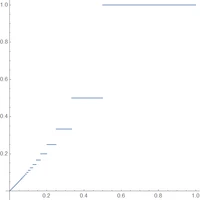
The effect of dynamical states on galaxy clusters populations. I. Classification of dynamical states
While the influence of galaxy clusters on galaxy evolution is relatively well-understood, the impact of the dynamical states of these clusters is less clear. This paper series explores how the dynamical state of galaxy clusters affects their galaxy populations' physical and morphological properties. The primary aim of this first paper is to evaluate the dynamical state of 87 massive (M_{500} geq 1.5 times 10^{14} M_{odot}) galaxy clusters at low redshifts (0.10 leq z leq 0.35). This will allow us to have a well-characterized sample for analyzing physical and morphological properties in our next work. We employ six dynamical state proxies utilizing optical and X-ray imaging data. Principal Component Analysis (PCA) is applied to integrate these proxies effectively, allowing for robust classification of galaxy clusters into relaxed, intermediate, and disturbed states based on their dynamical characteristics. The methodology successfully segregates the galaxy clusters into the three dynamical states. Examination of the galaxy distributions in optical wavelengths and gas distributions in X-ray further confirms the consistency of these classifications. The clusters' dynamical states are statistically distinguishable, providing a clear categorization for further analysis.
Almost-Linear RNNs Yield Highly Interpretable Symbolic Codes in Dynamical Systems Reconstruction
Dynamical systems (DS) theory is fundamental for many areas of science and engineering. It can provide deep insights into the behavior of systems evolving in time, as typically described by differential or recursive equations. A common approach to facilitate mathematical tractability and interpretability of DS models involves decomposing nonlinear DS into multiple linear DS separated by switching manifolds, i.e. piecewise linear (PWL) systems. PWL models are popular in engineering and a frequent choice in mathematics for analyzing the topological properties of DS. However, hand-crafting such models is tedious and only possible for very low-dimensional scenarios, while inferring them from data usually gives rise to unnecessarily complex representations with very many linear subregions. Here we introduce Almost-Linear Recurrent Neural Networks (AL-RNNs) which automatically and robustly produce most parsimonious PWL representations of DS from time series data, using as few PWL nonlinearities as possible. AL-RNNs can be efficiently trained with any SOTA algorithm for dynamical systems reconstruction (DSR), and naturally give rise to a symbolic encoding of the underlying DS that provably preserves important topological properties. We show that for the Lorenz and R\"ossler systems, AL-RNNs discover, in a purely data-driven way, the known topologically minimal PWL representations of the corresponding chaotic attractors. We further illustrate on two challenging empirical datasets that interpretable symbolic encodings of the dynamics can be achieved, tremendously facilitating mathematical and computational analysis of the underlying systems.
Learning Dynamical Demand Response Model in Real-Time Pricing Program
Price responsiveness is a major feature of end use customers (EUCs) that participate in demand response (DR) programs, and has been conventionally modeled with static demand functions, which take the electricity price as the input and the aggregate energy consumption as the output. This, however, neglects the inherent temporal correlation of the EUC behaviors, and may result in large errors when predicting the actual responses of EUCs in real-time pricing (RTP) programs. In this paper, we propose a dynamical DR model so as to capture the temporal behavior of the EUCs. The states in the proposed dynamical DR model can be explicitly chosen, in which case the model can be represented by a linear function or a multi-layer feedforward neural network, or implicitly chosen, in which case the model can be represented by a recurrent neural network or a long short-term memory unit network. In both cases, the dynamical DR model can be learned from historical price and energy consumption data. Numerical simulation illustrated how the states are chosen and also showed the proposed dynamical DR model significantly outperforms the static ones.
Feedback Policies for Measurement-based Quantum State Manipulation
In this paper, we propose feedback designs for manipulating a quantum state to a target state by performing sequential measurements. In light of Belavkin's quantum feedback control theory, for a given set of (projective or non-projective) measurements and a given time horizon, we show that finding the measurement selection policy that maximizes the probability of successful state manipulation is an optimal control problem for a controlled Markovian process. The optimal policy is Markovian and can be solved by dynamical programming. Numerical examples indicate that making use of feedback information significantly improves the success probability compared to classical scheme without taking feedback. We also consider other objective functionals including maximizing the expected fidelity to the target state as well as minimizing the expected arrival time. The connections and differences among these objectives are also discussed.
DTR Bandit: Learning to Make Response-Adaptive Decisions With Low Regret
Dynamic treatment regimes (DTRs) are personalized, adaptive, multi-stage treatment plans that adapt treatment decisions both to an individual's initial features and to intermediate outcomes and features at each subsequent stage, which are affected by decisions in prior stages. Examples include personalized first- and second-line treatments of chronic conditions like diabetes, cancer, and depression, which adapt to patient response to first-line treatment, disease progression, and individual characteristics. While existing literature mostly focuses on estimating the optimal DTR from offline data such as from sequentially randomized trials, we study the problem of developing the optimal DTR in an online manner, where the interaction with each individual affect both our cumulative reward and our data collection for future learning. We term this the DTR bandit problem. We propose a novel algorithm that, by carefully balancing exploration and exploitation, is guaranteed to achieve rate-optimal regret when the transition and reward models are linear. We demonstrate our algorithm and its benefits both in synthetic experiments and in a case study of adaptive treatment of major depressive disorder using real-world data.
Dynamical Linear Bandits
In many real-world sequential decision-making problems, an action does not immediately reflect on the feedback and spreads its effects over a long time frame. For instance, in online advertising, investing in a platform produces an instantaneous increase of awareness, but the actual reward, i.e., a conversion, might occur far in the future. Furthermore, whether a conversion takes place depends on: how fast the awareness grows, its vanishing effects, and the synergy or interference with other advertising platforms. Previous work has investigated the Multi-Armed Bandit framework with the possibility of delayed and aggregated feedback, without a particular structure on how an action propagates in the future, disregarding possible dynamical effects. In this paper, we introduce a novel setting, the Dynamical Linear Bandits (DLB), an extension of the linear bandits characterized by a hidden state. When an action is performed, the learner observes a noisy reward whose mean is a linear function of the hidden state and of the action. Then, the hidden state evolves according to linear dynamics, affected by the performed action too. We start by introducing the setting, discussing the notion of optimal policy, and deriving an expected regret lower bound. Then, we provide an optimistic regret minimization algorithm, Dynamical Linear Upper Confidence Bound (DynLin-UCB), that suffers an expected regret of order mathcal{O} Big( d sqrt{T}{(1-rho)^{3/2}} Big), where rho is a measure of the stability of the system, and d is the dimension of the action vector. Finally, we conduct a numerical validation on a synthetic environment and on real-world data to show the effectiveness of DynLin-UCB in comparison with several baselines.
Disentangled Generative Models for Robust Prediction of System Dynamics
Deep neural networks have become increasingly of interest in dynamical system prediction, but out-of-distribution generalization and long-term stability still remains challenging. In this work, we treat the domain parameters of dynamical systems as factors of variation of the data generating process. By leveraging ideas from supervised disentanglement and causal factorization, we aim to separate the domain parameters from the dynamics in the latent space of generative models. In our experiments we model dynamics both in phase space and in video sequences and conduct rigorous OOD evaluations. Results indicate that disentangled VAEs adapt better to domain parameters spaces that were not present in the training data. At the same time, disentanglement can improve the long-term and out-of-distribution predictions of state-of-the-art models in video sequences.

Piecewise DMD for oscillatory and Turing spatio-temporal dynamics
Dynamic Mode Decomposition (DMD) is an equation-free method that aims at reconstructing the best linear fit from temporal datasets. In this paper, we show that DMD does not provide accurate approximation for datasets describing oscillatory dynamics, like spiral waves and relaxation oscillations, or spatio-temporal Turing instability. Inspired from the classical "divide and conquer" approach, we propose a piecewise version of DMD (pDMD) to overcome this problem. The main idea is to split the original dataset in N submatrices and then apply the exact (randomized) DMD method in each subset of the obtained partition. We describe the pDMD algorithm in detail and we introduce some error indicators to evaluate its performance when N is increased. Numerical experiments show that very accurate reconstructions are obtained by pDMD for datasets arising from time snapshots of some reaction-diffusion PDE systems, like the FitzHugh-Nagumo model, the lambda-omega system and the DIB morpho-chemical system for battery modeling.
DynaCLR: Contrastive Learning of Cellular Dynamics with Temporal Regularization
We report DynaCLR, a self-supervised method for embedding cell and organelle Dynamics via Contrastive Learning of Representations of time-lapse images. DynaCLR integrates single-cell tracking and time-aware contrastive sampling to learn robust, temporally regularized representations of cell dynamics. DynaCLR embeddings generalize effectively to in-distribution and out-of-distribution datasets, and can be used for several downstream tasks with sparse human annotations. We demonstrate efficient annotations of cell states with a human-in-the-loop using fluorescence and label-free imaging channels. DynaCLR method enables diverse downstream biological analyses: classification of cell division and infection, clustering heterogeneous cell migration patterns, cross-modal distillation of cell states from fluorescence to label-free channel, alignment of asynchronous cellular responses and broken cell tracks, and discovering organelle response due to infection. DynaCLR is a flexible method for comparative analyses of dynamic cellular responses to pharmacological, microbial, and genetic perturbations. We provide PyTorch-based implementations of the model training and inference pipeline (https://github.com/mehta-lab/viscy) and a GUI (https://github.com/czbiohub-sf/napari-iohub) for the visualization and annotation of trajectories of cells in the real space and the embedding space.
Action Matching: Learning Stochastic Dynamics from Samples
Learning the continuous dynamics of a system from snapshots of its temporal marginals is a problem which appears throughout natural sciences and machine learning, including in quantum systems, single-cell biological data, and generative modeling. In these settings, we assume access to cross-sectional samples that are uncorrelated over time, rather than full trajectories of samples. In order to better understand the systems under observation, we would like to learn a model of the underlying process that allows us to propagate samples in time and thereby simulate entire individual trajectories. In this work, we propose Action Matching, a method for learning a rich family of dynamics using only independent samples from its time evolution. We derive a tractable training objective, which does not rely on explicit assumptions about the underlying dynamics and does not require back-propagation through differential equations or optimal transport solvers. Inspired by connections with optimal transport, we derive extensions of Action Matching to learn stochastic differential equations and dynamics involving creation and destruction of probability mass. Finally, we showcase applications of Action Matching by achieving competitive performance in a diverse set of experiments from biology, physics, and generative modeling.

Multi-marginal temporal Schrödinger Bridge Matching for video generation from unpaired data
Many natural dynamic processes -- such as in vivo cellular differentiation or disease progression -- can only be observed through the lens of static sample snapshots. While challenging, reconstructing their temporal evolution to decipher underlying dynamic properties is of major interest to scientific research. Existing approaches enable data transport along a temporal axis but are poorly scalable in high dimension and require restrictive assumptions to be met. To address these issues, we propose \textbf{Multi-Marginal temporal Schr\"odinger Bridge Matching} (MMtSBM) for video generation from unpaired data, extending the theoretical guarantees and empirical efficiency of Diffusion Schr\"odinger Bridge Matching (arXiv:archive/2303.16852) by deriving the Iterative Markovian Fitting algorithm to multiple marginals in a novel factorized fashion. Experiments show that MMtSBM retains theoretical properties on toy examples, achieves state-of-the-art performance on real world datasets such as transcriptomic trajectory inference in 100 dimensions, and for the first time recovers couplings and dynamics in very high dimensional image settings. Our work establishes multi-marginal Schr\"odinger bridges as a practical and principled approach for recovering hidden dynamics from static data.

Dynamic Word Embeddings for Evolving Semantic Discovery
Word evolution refers to the changing meanings and associations of words throughout time, as a byproduct of human language evolution. By studying word evolution, we can infer social trends and language constructs over different periods of human history. However, traditional techniques such as word representation learning do not adequately capture the evolving language structure and vocabulary. In this paper, we develop a dynamic statistical model to learn time-aware word vector representation. We propose a model that simultaneously learns time-aware embeddings and solves the resulting "alignment problem". This model is trained on a crawled NYTimes dataset. Additionally, we develop multiple intuitive evaluation strategies of temporal word embeddings. Our qualitative and quantitative tests indicate that our method not only reliably captures this evolution over time, but also consistently outperforms state-of-the-art temporal embedding approaches on both semantic accuracy and alignment quality.



Limits and Powers of Koopman Learning
Dynamical systems provide a comprehensive way to study complex and changing behaviors across various sciences. Many modern systems are too complicated to analyze directly or we do not have access to models, driving significant interest in learning methods. Koopman operators have emerged as a dominant approach because they allow the study of nonlinear dynamics using linear techniques by solving an infinite-dimensional spectral problem. However, current algorithms face challenges such as lack of convergence, hindering practical progress. This paper addresses a fundamental open question: When can we robustly learn the spectral properties of Koopman operators from trajectory data of dynamical systems, and when can we not? Understanding these boundaries is crucial for analysis, applications, and designing algorithms. We establish a foundational approach that combines computational analysis and ergodic theory, revealing the first fundamental barriers -- universal for any algorithm -- associated with system geometry and complexity, regardless of data quality and quantity. For instance, we demonstrate well-behaved smooth dynamical systems on tori where non-trivial eigenfunctions of the Koopman operator cannot be determined by any sequence of (even randomized) algorithms, even with unlimited training data. Additionally, we identify when learning is possible and introduce optimal algorithms with verification that overcome issues in standard methods. These results pave the way for a sharp classification theory of data-driven dynamical systems based on how many limits are needed to solve a problem. These limits characterize all previous methods, presenting a unified view. Our framework systematically determines when and how Koopman spectral properties can be learned.
Liquid Time-constant Networks
We introduce a new class of time-continuous recurrent neural network models. Instead of declaring a learning system's dynamics by implicit nonlinearities, we construct networks of linear first-order dynamical systems modulated via nonlinear interlinked gates. The resulting models represent dynamical systems with varying (i.e., liquid) time-constants coupled to their hidden state, with outputs being computed by numerical differential equation solvers. These neural networks exhibit stable and bounded behavior, yield superior expressivity within the family of neural ordinary differential equations, and give rise to improved performance on time-series prediction tasks. To demonstrate these properties, we first take a theoretical approach to find bounds over their dynamics and compute their expressive power by the trajectory length measure in latent trajectory space. We then conduct a series of time-series prediction experiments to manifest the approximation capability of Liquid Time-Constant Networks (LTCs) compared to classical and modern RNNs. Code and data are available at https://github.com/raminmh/liquid_time_constant_networks

S7: Selective and Simplified State Space Layers for Sequence Modeling
A central challenge in sequence modeling is efficiently handling tasks with extended contexts. While recent state-space models (SSMs) have made significant progress in this area, they often lack input-dependent filtering or require substantial increases in model complexity to handle input variability. We address this gap by introducing S7, a simplified yet powerful SSM that can handle input dependence while incorporating stable reparameterization and specific design choices to dynamically adjust state transitions based on input content, maintaining efficiency and performance. We prove that this reparameterization ensures stability in long-sequence modeling by keeping state transitions well-behaved over time. Additionally, it controls the gradient norm, enabling efficient training and preventing issues like exploding or vanishing gradients. S7 significantly outperforms baselines across various sequence modeling tasks, including neuromorphic event-based datasets, Long Range Arena benchmarks, and various physical and biological time series. Overall, S7 offers a more straightforward approach to sequence modeling without relying on complex, domain-specific inductive biases, achieving significant improvements across key benchmarks.
Cross-attention for State-based model RWKV-7
We introduce CrossWKV, a novel cross-attention mechanism for the state-based RWKV-7 model, designed to enhance the expressive power of text-to-image generation. Leveraging RWKV-7's linear-complexity Weighted Key-Value (WKV) architecture, CrossWKV integrates text and image modalities in a single pass, utilizing a generalized delta rule with vector-valued gating and low-rank adaptations (LoRA) to achieve superior cross-modal alignment. Unlike Transformer-based models, CrossWKV's non-diagonal, input-dependent transition matrix enables it to represent complex functions beyond the TC^0 complexity class, including all regular languages, as demonstrated by its ability to perform state-tracking tasks like S_5 permutation modeling. Evaluated within the Diffusion in RWKV-7 (DIR-7) on datasets such as LAION-5B and ImageNet, CrossWKV achieves a Frechet Inception Distance (FID) of 2.88 and a CLIP score of 0.33 on ImageNet 256x256, matching state-of-the-art performance while offering robust generalization across diverse prompts. The model's enhanced expressivity, combined with constant memory usage and linear scaling, positions it as a powerful solution for advanced cross-modal tasks, with potential applications in high-resolution generation and dynamic state manipulation.Code at https://github.com/TorchRWKV/flash-linear-attention

SegMAN: Omni-scale Context Modeling with State Space Models and Local Attention for Semantic Segmentation
High-quality semantic segmentation relies on three key capabilities: global context modeling, local detail encoding, and multi-scale feature extraction. However, recent methods struggle to possess all these capabilities simultaneously. Hence, we aim to empower segmentation networks to simultaneously carry out efficient global context modeling, high-quality local detail encoding, and rich multi-scale feature representation for varying input resolutions. In this paper, we introduce SegMAN, a novel linear-time model comprising a hybrid feature encoder dubbed SegMAN Encoder, and a decoder based on state space models. Specifically, the SegMAN Encoder synergistically integrates sliding local attention with dynamic state space models, enabling highly efficient global context modeling while preserving fine-grained local details. Meanwhile, the MMSCopE module in our decoder enhances multi-scale context feature extraction and adaptively scales with the input resolution. Our SegMAN-B Encoder achieves 85.1% ImageNet-1k accuracy (+1.5% over VMamba-S with fewer parameters). When paired with our decoder, the full SegMAN-B model achieves 52.6% mIoU on ADE20K (+1.6% over SegNeXt-L with 15% fewer GFLOPs), 83.8% mIoU on Cityscapes (+2.1% over SegFormer-B3 with half the GFLOPs), and 1.6% higher mIoU than VWFormer-B3 on COCO-Stuff with lower GFLOPs. Our code is available at https://github.com/yunxiangfu2001/SegMAN.
Solving robust MDPs as a sequence of static RL problems
Designing control policies whose performance level is guaranteed to remain above a given threshold in a span of environments is a critical feature for the adoption of reinforcement learning (RL) in real-world applications. The search for such robust policies is a notoriously difficult problem, related to the so-called dynamic model of transition function uncertainty, where the environment dynamics are allowed to change at each time step. But in practical cases, one is rather interested in robustness to a span of static transition models throughout interaction episodes. The static model is known to be harder to solve than the dynamic one, and seminal algorithms, such as robust value iteration, as well as most recent works on deep robust RL, build upon the dynamic model. In this work, we propose to revisit the static model. We suggest an analysis of why solving the static model under some mild hypotheses is a reasonable endeavor, based on an equivalence with the dynamic model, and formalize the general intuition that robust MDPs can be solved by tackling a series of static problems. We introduce a generic meta-algorithm called IWOCS, which incrementally identifies worst-case transition models so as to guide the search for a robust policy. Discussion on IWOCS sheds light on new ways to decouple policy optimization and adversarial transition functions and opens new perspectives for analysis. We derive a deep RL version of IWOCS and demonstrate it is competitive with state-of-the-art algorithms on classical benchmarks.


Breathing deformation model -- application to multi-resolution abdominal MRI
Dynamic MRI is a technique of acquiring a series of images continuously to follow the physiological changes over time. However, such fast imaging results in low resolution images. In this work, abdominal deformation model computed from dynamic low resolution images have been applied to high resolution image, acquired previously, to generate dynamic high resolution MRI. Dynamic low resolution images were simulated into different breathing phases (inhale and exhale). Then, the image registration between breathing time points was performed using the B-spline SyN deformable model and using cross-correlation as a similarity metric. The deformation model between different breathing phases were estimated from highly undersampled data. This deformation model was then applied to the high resolution images to obtain high resolution images of different breathing phases. The results indicated that the deformation model could be computed from relatively very low resolution images.

Towards a theory of learning dynamics in deep state space models
State space models (SSMs) have shown remarkable empirical performance on many long sequence modeling tasks, but a theoretical understanding of these models is still lacking. In this work, we study the learning dynamics of linear SSMs to understand how covariance structure in data, latent state size, and initialization affect the evolution of parameters throughout learning with gradient descent. We show that focusing on the learning dynamics in the frequency domain affords analytical solutions under mild assumptions, and we establish a link between one-dimensional SSMs and the dynamics of deep linear feed-forward networks. Finally, we analyze how latent state over-parameterization affects convergence time and describe future work in extending our results to the study of deep SSMs with nonlinear connections. This work is a step toward a theory of learning dynamics in deep state space models.


DyTed: Disentangled Representation Learning for Discrete-time Dynamic Graph
Unsupervised representation learning for dynamic graphs has attracted a lot of research attention in recent years. Compared with static graph, the dynamic graph is a comprehensive embodiment of both the intrinsic stable characteristics of nodes and the time-related dynamic preference. However, existing methods generally mix these two types of information into a single representation space, which may lead to poor explanation, less robustness, and a limited ability when applied to different downstream tasks. To solve the above problems, in this paper, we propose a novel disenTangled representation learning framework for discrete-time Dynamic graphs, namely DyTed. We specially design a temporal-clips contrastive learning task together with a structure contrastive learning to effectively identify the time-invariant and time-varying representations respectively. To further enhance the disentanglement of these two types of representation, we propose a disentanglement-aware discriminator under an adversarial learning framework from the perspective of information theory. Extensive experiments on Tencent and five commonly used public datasets demonstrate that DyTed, as a general framework that can be applied to existing methods, achieves state-of-the-art performance on various downstream tasks, as well as be more robust against noise.

InterDyn: Controllable Interactive Dynamics with Video Diffusion Models
Predicting the dynamics of interacting objects is essential for both humans and intelligent systems. However, existing approaches are limited to simplified, toy settings and lack generalizability to complex, real-world environments. Recent advances in generative models have enabled the prediction of state transitions based on interventions, but focus on generating a single future state which neglects the continuous dynamics resulting from the interaction. To address this gap, we propose InterDyn, a novel framework that generates videos of interactive dynamics given an initial frame and a control signal encoding the motion of a driving object or actor. Our key insight is that large video generation models can act as both neural renderers and implicit physics ``simulators'', having learned interactive dynamics from large-scale video data. To effectively harness this capability, we introduce an interactive control mechanism that conditions the video generation process on the motion of the driving entity. Qualitative results demonstrate that InterDyn generates plausible, temporally consistent videos of complex object interactions while generalizing to unseen objects. Quantitative evaluations show that InterDyn outperforms baselines that focus on static state transitions. This work highlights the potential of leveraging video generative models as implicit physics engines. Project page: https://interdyn.is.tue.mpg.de/

Learning the Dynamics of Sparsely Observed Interacting Systems
We address the problem of learning the dynamics of an unknown non-parametric system linking a target and a feature time series. The feature time series is measured on a sparse and irregular grid, while we have access to only a few points of the target time series. Once learned, we can use these dynamics to predict values of the target from the previous values of the feature time series. We frame this task as learning the solution map of a controlled differential equation (CDE). By leveraging the rich theory of signatures, we are able to cast this non-linear problem as a high-dimensional linear regression. We provide an oracle bound on the prediction error which exhibits explicit dependencies on the individual-specific sampling schemes. Our theoretical results are illustrated by simulations which show that our method outperforms existing algorithms for recovering the full time series while being computationally cheap. We conclude by demonstrating its potential on real-world epidemiological data.
Understanding Self-Predictive Learning for Reinforcement Learning
We study the learning dynamics of self-predictive learning for reinforcement learning, a family of algorithms that learn representations by minimizing the prediction error of their own future latent representations. Despite its recent empirical success, such algorithms have an apparent defect: trivial representations (such as constants) minimize the prediction error, yet it is obviously undesirable to converge to such solutions. Our central insight is that careful designs of the optimization dynamics are critical to learning meaningful representations. We identify that a faster paced optimization of the predictor and semi-gradient updates on the representation, are crucial to preventing the representation collapse. Then in an idealized setup, we show self-predictive learning dynamics carries out spectral decomposition on the state transition matrix, effectively capturing information of the transition dynamics. Building on the theoretical insights, we propose bidirectional self-predictive learning, a novel self-predictive algorithm that learns two representations simultaneously. We examine the robustness of our theoretical insights with a number of small-scale experiments and showcase the promise of the novel representation learning algorithm with large-scale experiments.

CausalDynamics: A large-scale benchmark for structural discovery of dynamical causal models
Causal discovery for dynamical systems poses a major challenge in fields where active interventions are infeasible. Most methods used to investigate these systems and their associated benchmarks are tailored to deterministic, low-dimensional and weakly nonlinear time-series data. To address these limitations, we present CausalDynamics, a large-scale benchmark and extensible data generation framework to advance the structural discovery of dynamical causal models. Our benchmark consists of true causal graphs derived from thousands of coupled ordinary and stochastic differential equations as well as two idealized climate models. We perform a comprehensive evaluation of state-of-the-art causal discovery algorithms for graph reconstruction on systems with noisy, confounded, and lagged dynamics. CausalDynamics consists of a plug-and-play, build-your-own coupling workflow that enables the construction of a hierarchy of physical systems. We anticipate that our framework will facilitate the development of robust causal discovery algorithms that are broadly applicable across domains while addressing their unique challenges. We provide a user-friendly implementation and documentation on https://kausable.github.io/CausalDynamics.
Cross-Domain Policy Adaptation via Value-Guided Data Filtering
Generalizing policies across different domains with dynamics mismatch poses a significant challenge in reinforcement learning. For example, a robot learns the policy in a simulator, but when it is deployed in the real world, the dynamics of the environment may be different. Given the source and target domain with dynamics mismatch, we consider the online dynamics adaptation problem, in which case the agent can access sufficient source domain data while online interactions with the target domain are limited. Existing research has attempted to solve the problem from the dynamics discrepancy perspective. In this work, we reveal the limitations of these methods and explore the problem from the value difference perspective via a novel insight on the value consistency across domains. Specifically, we present the Value-Guided Data Filtering (VGDF) algorithm, which selectively shares transitions from the source domain based on the proximity of paired value targets across the two domains. Empirical results on various environments with kinematic and morphology shifts demonstrate that our method achieves superior performance compared to prior approaches.

Random Quantum Circuits
Quantum circuits -- built from local unitary gates and local measurements -- are a new playground for quantum many-body physics and a tractable setting to explore universal collective phenomena far-from-equilibrium. These models have shed light on longstanding questions about thermalization and chaos, and on the underlying universal dynamics of quantum information and entanglement. In addition, such models generate new sets of questions and give rise to phenomena with no traditional analog, such as new dynamical phases in quantum systems that are monitored by an external observer. Quantum circuit dynamics is also topical in view of experimental progress in building digital quantum simulators that allow control of precisely these ingredients. Randomness in the circuit elements allows a high level of theoretical control, with a key theme being mappings between real-time quantum dynamics and effective classical lattice models or dynamical processes. Many of the universal phenomena that can be identified in this tractable setting apply to much wider classes of more structured many-body dynamics.
Autoregressive Transformer Neural Network for Simulating Open Quantum Systems via a Probabilistic Formulation
The theory of open quantum systems lays the foundations for a substantial part of modern research in quantum science and engineering. Rooted in the dimensionality of their extended Hilbert spaces, the high computational complexity of simulating open quantum systems calls for the development of strategies to approximate their dynamics. In this paper, we present an approach for tackling open quantum system dynamics. Using an exact probabilistic formulation of quantum physics based on positive operator-valued measure (POVM), we compactly represent quantum states with autoregressive transformer neural networks; such networks bring significant algorithmic flexibility due to efficient exact sampling and tractable density. We further introduce the concept of String States to partially restore the symmetry of the autoregressive transformer neural network and improve the description of local correlations. Efficient algorithms have been developed to simulate the dynamics of the Liouvillian superoperator using a forward-backward trapezoid method and find the steady state via a variational formulation. Our approach is benchmarked on prototypical one and two-dimensional systems, finding results which closely track the exact solution and achieve higher accuracy than alternative approaches based on using Markov chain Monte Carlo to sample restricted Boltzmann machines. Our work provides general methods for understanding quantum dynamics in various contexts, as well as techniques for solving high-dimensional probabilistic differential equations in classical setups.

Generalized Teacher Forcing for Learning Chaotic Dynamics
Chaotic dynamical systems (DS) are ubiquitous in nature and society. Often we are interested in reconstructing such systems from observed time series for prediction or mechanistic insight, where by reconstruction we mean learning geometrical and invariant temporal properties of the system in question (like attractors). However, training reconstruction algorithms like recurrent neural networks (RNNs) on such systems by gradient-descent based techniques faces severe challenges. This is mainly due to exploding gradients caused by the exponential divergence of trajectories in chaotic systems. Moreover, for (scientific) interpretability we wish to have as low dimensional reconstructions as possible, preferably in a model which is mathematically tractable. Here we report that a surprisingly simple modification of teacher forcing leads to provably strictly all-time bounded gradients in training on chaotic systems, and, when paired with a simple architectural rearrangement of a tractable RNN design, piecewise-linear RNNs (PLRNNs), allows for faithful reconstruction in spaces of at most the dimensionality of the observed system. We show on several DS that with these amendments we can reconstruct DS better than current SOTA algorithms, in much lower dimensions. Performance differences were particularly compelling on real world data with which most other methods severely struggled. This work thus led to a simple yet powerful DS reconstruction algorithm which is highly interpretable at the same time.
HiPPO-Prophecy: State-Space Models can Provably Learn Dynamical Systems in Context
This work explores the in-context learning capabilities of State Space Models (SSMs) and presents, to the best of our knowledge, the first theoretical explanation of a possible underlying mechanism. We introduce a novel weight construction for SSMs, enabling them to predict the next state of any dynamical system after observing previous states without parameter fine-tuning. This is accomplished by extending the HiPPO framework to demonstrate that continuous SSMs can approximate the derivative of any input signal. Specifically, we find an explicit weight construction for continuous SSMs and provide an asymptotic error bound on the derivative approximation. The discretization of this continuous SSM subsequently yields a discrete SSM that predicts the next state. Finally, we demonstrate the effectiveness of our parameterization empirically. This work should be an initial step toward understanding how sequence models based on SSMs learn in context.
Discrete-Time Hybrid Automata Learning: Legged Locomotion Meets Skateboarding
This paper introduces Discrete-time Hybrid Automata Learning (DHAL), a framework using on-policy Reinforcement Learning to identify and execute mode-switching without trajectory segmentation or event function learning. Hybrid dynamical systems, which include continuous flow and discrete mode switching, can model robotics tasks like legged robot locomotion. Model-based methods usually depend on predefined gaits, while model-free approaches lack explicit mode-switching knowledge. Current methods identify discrete modes via segmentation before regressing continuous flow, but learning high-dimensional complex rigid body dynamics without trajectory labels or segmentation is a challenging open problem. Our approach incorporates a beta policy distribution and a multi-critic architecture to model contact-guided motions, exemplified by a challenging quadrupedal robot skateboard task. We validate our method through simulations and real-world tests, demonstrating robust performance in hybrid dynamical systems.

No-frills Dynamic Planning using Static Planners
In this paper, we address the task of interacting with dynamic environments where the changes in the environment are independent of the agent. We study this through the context of trapping a moving ball with a UR5 robotic arm. Our key contribution is an approach to utilize a static planner for dynamic tasks using a Dynamic Planning add-on; that is, if we can successfully solve a task with a static target, then our approach can solve the same task when the target is moving. Our approach has three key components: an off-the-shelf static planner, a trajectory forecasting network, and a network to predict robot's estimated time of arrival at any location. We demonstrate the generalization of our approach across environments. More information and videos at https://mlevy2525.github.io/DynamicAddOn.
Deep Learning-based Approaches for State Space Models: A Selective Review
State-space models (SSMs) offer a powerful framework for dynamical system analysis, wherein the temporal dynamics of the system are assumed to be captured through the evolution of the latent states, which govern the values of the observations. This paper provides a selective review of recent advancements in deep neural network-based approaches for SSMs, and presents a unified perspective for discrete time deep state space models and continuous time ones such as latent neural Ordinary Differential and Stochastic Differential Equations. It starts with an overview of the classical maximum likelihood based approach for learning SSMs, reviews variational autoencoder as a general learning pipeline for neural network-based approaches in the presence of latent variables, and discusses in detail representative deep learning models that fall under the SSM framework. Very recent developments, where SSMs are used as standalone architectural modules for improving efficiency in sequence modeling, are also examined. Finally, examples involving mixed frequency and irregularly-spaced time series data are presented to demonstrate the advantage of SSMs in these settings.
Dynadiff: Single-stage Decoding of Images from Continuously Evolving fMRI
Brain-to-image decoding has been recently propelled by the progress in generative AI models and the availability of large ultra-high field functional Magnetic Resonance Imaging (fMRI). However, current approaches depend on complicated multi-stage pipelines and preprocessing steps that typically collapse the temporal dimension of brain recordings, thereby limiting time-resolved brain decoders. Here, we introduce Dynadiff (Dynamic Neural Activity Diffusion for Image Reconstruction), a new single-stage diffusion model designed for reconstructing images from dynamically evolving fMRI recordings. Our approach offers three main contributions. First, Dynadiff simplifies training as compared to existing approaches. Second, our model outperforms state-of-the-art models on time-resolved fMRI signals, especially on high-level semantic image reconstruction metrics, while remaining competitive on preprocessed fMRI data that collapse time. Third, this approach allows a precise characterization of the evolution of image representations in brain activity. Overall, this work lays the foundation for time-resolved brain-to-image decoding.

Demystifying the Token Dynamics of Deep Selective State Space Models
Selective state space models (SSM), such as Mamba, have gained prominence for their effectiveness in modeling sequential data. Despite their outstanding empirical performance, a comprehensive theoretical understanding of deep selective SSM remains elusive, hindering their further development and adoption for applications that need high fidelity. In this paper, we investigate the dynamical properties of tokens in a pre-trained Mamba model. In particular, we derive the dynamical system governing the continuous-time limit of the Mamba model and characterize the asymptotic behavior of its solutions. In the one-dimensional case, we prove that only one of the following two scenarios happens: either all tokens converge to zero, or all tokens diverge to infinity. We provide criteria based on model parameters to determine when each scenario occurs. For the convergent scenario, we empirically verify that this scenario negatively impacts the model's performance. For the divergent scenario, we prove that different tokens will diverge to infinity at different rates, thereby contributing unequally to the updates during model training. Based on these investigations, we propose two refinements for the model: excluding the convergent scenario and reordering tokens based on their importance scores, both aimed at improving practical performance. Our experimental results validate these refinements, offering insights into enhancing Mamba's effectiveness in real-world applications.
Estimating Conditional Mutual Information for Dynamic Feature Selection
Dynamic feature selection, where we sequentially query features to make accurate predictions with a minimal budget, is a promising paradigm to reduce feature acquisition costs and provide transparency into a model's predictions. The problem is challenging, however, as it requires both predicting with arbitrary feature sets and learning a policy to identify valuable selections. Here, we take an information-theoretic perspective and prioritize features based on their mutual information with the response variable. The main challenge is implementing this policy, and we design a new approach that estimates the mutual information in a discriminative rather than generative fashion. Building on our approach, we then introduce several further improvements: allowing variable feature budgets across samples, enabling non-uniform feature costs, incorporating prior information, and exploring modern architectures to handle partial inputs. Our experiments show that our method provides consistent gains over recent methods across a variety of datasets.
DynaMem: Online Dynamic Spatio-Semantic Memory for Open World Mobile Manipulation
Significant progress has been made in open-vocabulary mobile manipulation, where the goal is for a robot to perform tasks in any environment given a natural language description. However, most current systems assume a static environment, which limits the system's applicability in real-world scenarios where environments frequently change due to human intervention or the robot's own actions. In this work, we present DynaMem, a new approach to open-world mobile manipulation that uses a dynamic spatio-semantic memory to represent a robot's environment. DynaMem constructs a 3D data structure to maintain a dynamic memory of point clouds, and answers open-vocabulary object localization queries using multimodal LLMs or open-vocabulary features generated by state-of-the-art vision-language models. Powered by DynaMem, our robots can explore novel environments, search for objects not found in memory, and continuously update the memory as objects move, appear, or disappear in the scene. We run extensive experiments on the Stretch SE3 robots in three real and nine offline scenes, and achieve an average pick-and-drop success rate of 70% on non-stationary objects, which is more than a 2x improvement over state-of-the-art static systems. Our code as well as our experiment and deployment videos are open sourced and can be found on our project website: https://dynamem.github.io/

Course Correcting Koopman Representations
Koopman representations aim to learn features of nonlinear dynamical systems (NLDS) which lead to linear dynamics in the latent space. Theoretically, such features can be used to simplify many problems in modeling and control of NLDS. In this work we study autoencoder formulations of this problem, and different ways they can be used to model dynamics, specifically for future state prediction over long horizons. We discover several limitations of predicting future states in the latent space and propose an inference-time mechanism, which we refer to as Periodic Reencoding, for faithfully capturing long term dynamics. We justify this method both analytically and empirically via experiments in low and high dimensional NLDS.
Leap into the future: shortcut to dynamics for quantum mixtures
The study of the long-time dynamics of quantum systems can be a real challenge, especially in systems like ultracold gases, where the required timescales may be longer than the lifetime of the system itself. In this work, we show that it is possible to access the long-time dynamics of a strongly repulsive atomic gas mixture in shorter times. The shortcut-to-dynamics protocol that we propose does not modify the fate of the observables, but effectively jumps ahead in time without changing the system's inherent evolution. Just like the next-chapter button in a movie player that allows to quickly reach the part of the movie one wants to watch, it is a leap into the future.
Contextual Conservative Q-Learning for Offline Reinforcement Learning
Offline reinforcement learning learns an effective policy on offline datasets without online interaction, and it attracts persistent research attention due to its potential of practical application. However, extrapolation error generated by distribution shift will still lead to the overestimation for those actions that transit to out-of-distribution(OOD) states, which degrades the reliability and robustness of the offline policy. In this paper, we propose Contextual Conservative Q-Learning(C-CQL) to learn a robustly reliable policy through the contextual information captured via an inverse dynamics model. With the supervision of the inverse dynamics model, it tends to learn a policy that generates stable transition at perturbed states, for the fact that pertuebed states are a common kind of OOD states. In this manner, we enable the learnt policy more likely to generate transition that destines to the empirical next state distributions of the offline dataset, i.e., robustly reliable transition. Besides, we theoretically reveal that C-CQL is the generalization of the Conservative Q-Learning(CQL) and aggressive State Deviation Correction(SDC). Finally, experimental results demonstrate the proposed C-CQL achieves the state-of-the-art performance in most environments of offline Mujoco suite and a noisy Mujoco setting.
Linearly-Recurrent Autoencoder Networks for Learning Dynamics
This paper describes a method for learning low-dimensional approximations of nonlinear dynamical systems, based on neural-network approximations of the underlying Koopman operator. Extended Dynamic Mode Decomposition (EDMD) provides a useful data-driven approximation of the Koopman operator for analyzing dynamical systems. This paper addresses a fundamental problem associated with EDMD: a trade-off between representational capacity of the dictionary and over-fitting due to insufficient data. A new neural network architecture combining an autoencoder with linear recurrent dynamics in the encoded state is used to learn a low-dimensional and highly informative Koopman-invariant subspace of observables. A method is also presented for balanced model reduction of over-specified EDMD systems in feature space. Nonlinear reconstruction using partially linear multi-kernel regression aims to improve reconstruction accuracy from the low-dimensional state when the data has complex but intrinsically low-dimensional structure. The techniques demonstrate the ability to identify Koopman eigenfunctions of the unforced Duffing equation, create accurate low-dimensional models of an unstable cylinder wake flow, and make short-time predictions of the chaotic Kuramoto-Sivashinsky equation.
Learning invariant representations of time-homogeneous stochastic dynamical systems
We consider the general class of time-homogeneous stochastic dynamical systems, both discrete and continuous, and study the problem of learning a representation of the state that faithfully captures its dynamics. This is instrumental to learning the transfer operator or the generator of the system, which in turn can be used for numerous tasks, such as forecasting and interpreting the system dynamics. We show that the search for a good representation can be cast as an optimization problem over neural networks. Our approach is supported by recent results in statistical learning theory, highlighting the role of approximation error and metric distortion in the learning problem. The objective function we propose is associated with projection operators from the representation space to the data space, overcomes metric distortion, and can be empirically estimated from data. In the discrete-time setting, we further derive a relaxed objective function that is differentiable and numerically well-conditioned. We compare our method against state-of-the-art approaches on different datasets, showing better performance across the board.
Mechanistic Interpretability of RNNs emulating Hidden Markov Models
Recurrent neural networks (RNNs) provide a powerful approach in neuroscience to infer latent dynamics in neural populations and to generate hypotheses about the neural computations underlying behavior. However, past work has focused on relatively simple, input-driven, and largely deterministic behaviors - little is known about the mechanisms that would allow RNNs to generate the richer, spontaneous, and potentially stochastic behaviors observed in natural settings. Modeling with Hidden Markov Models (HMMs) has revealed a segmentation of natural behaviors into discrete latent states with stochastic transitions between them, a type of dynamics that may appear at odds with the continuous state spaces implemented by RNNs. Here we first show that RNNs can replicate HMM emission statistics and then reverse-engineer the trained networks to uncover the mechanisms they implement. In the absence of inputs, the activity of trained RNNs collapses towards a single fixed point. When driven by stochastic input, trajectories instead exhibit noise-sustained dynamics along closed orbits. Rotation along these orbits modulates the emission probabilities and is governed by transitions between regions of slow, noise-driven dynamics connected by fast, deterministic transitions. The trained RNNs develop highly structured connectivity, with a small set of "kick neurons" initiating transitions between these regions. This mechanism emerges during training as the network shifts into a regime of stochastic resonance, enabling it to perform probabilistic computations. Analyses across multiple HMM architectures - fully connected, cyclic, and linear-chain - reveal that this solution generalizes through the modular reuse of the same dynamical motif, suggesting a compositional principle by which RNNs can emulate complex discrete latent dynamics.

LETS Forecast: Learning Embedology for Time Series Forecasting
Real-world time series are often governed by complex nonlinear dynamics. Understanding these underlying dynamics is crucial for precise future prediction. While deep learning has achieved major success in time series forecasting, many existing approaches do not explicitly model the dynamics. To bridge this gap, we introduce DeepEDM, a framework that integrates nonlinear dynamical systems modeling with deep neural networks. Inspired by empirical dynamic modeling (EDM) and rooted in Takens' theorem, DeepEDM presents a novel deep model that learns a latent space from time-delayed embeddings, and employs kernel regression to approximate the underlying dynamics, while leveraging efficient implementation of softmax attention and allowing for accurate prediction of future time steps. To evaluate our method, we conduct comprehensive experiments on synthetic data of nonlinear dynamical systems as well as real-world time series across domains. Our results show that DeepEDM is robust to input noise, and outperforms state-of-the-art methods in forecasting accuracy. Our code is available at: https://abrarmajeedi.github.io/deep_edm.


Understanding Physical Dynamics with Counterfactual World Modeling
The ability to understand physical dynamics is critical for agents to act in the world. Here, we use Counterfactual World Modeling (CWM) to extract vision structures for dynamics understanding. CWM uses a temporally-factored masking policy for masked prediction of video data without annotations. This policy enables highly effective "counterfactual prompting" of the predictor, allowing a spectrum of visual structures to be extracted from a single pre-trained predictor without finetuning on annotated datasets. We demonstrate that these structures are useful for physical dynamics understanding, allowing CWM to achieve the state-of-the-art performance on the Physion benchmark.


DynamicCity: Large-Scale LiDAR Generation from Dynamic Scenes
LiDAR scene generation has been developing rapidly recently. However, existing methods primarily focus on generating static and single-frame scenes, overlooking the inherently dynamic nature of real-world driving environments. In this work, we introduce DynamicCity, a novel 4D LiDAR generation framework capable of generating large-scale, high-quality LiDAR scenes that capture the temporal evolution of dynamic environments. DynamicCity mainly consists of two key models. 1) A VAE model for learning HexPlane as the compact 4D representation. Instead of using naive averaging operations, DynamicCity employs a novel Projection Module to effectively compress 4D LiDAR features into six 2D feature maps for HexPlane construction, which significantly enhances HexPlane fitting quality (up to 12.56 mIoU gain). Furthermore, we utilize an Expansion & Squeeze Strategy to reconstruct 3D feature volumes in parallel, which improves both network training efficiency and reconstruction accuracy than naively querying each 3D point (up to 7.05 mIoU gain, 2.06x training speedup, and 70.84% memory reduction). 2) A DiT-based diffusion model for HexPlane generation. To make HexPlane feasible for DiT generation, a Padded Rollout Operation is proposed to reorganize all six feature planes of the HexPlane as a squared 2D feature map. In particular, various conditions could be introduced in the diffusion or sampling process, supporting versatile 4D generation applications, such as trajectory- and command-driven generation, inpainting, and layout-conditioned generation. Extensive experiments on the CarlaSC and Waymo datasets demonstrate that DynamicCity significantly outperforms existing state-of-the-art 4D LiDAR generation methods across multiple metrics. The code will be released to facilitate future research.





Multi-marginal Schrödinger Bridges with Iterative Reference Refinement
Practitioners frequently aim to infer an unobserved population trajectory using sample snapshots at multiple time points. For instance, in single-cell sequencing, scientists would like to learn how gene expression evolves over time. But sequencing any cell destroys that cell. So we cannot access any cell's full trajectory, but we can access snapshot samples from many cells. Stochastic differential equations are commonly used to analyze systems with full individual-trajectory access; since here we have only sample snapshots, these methods are inapplicable. The deep learning community has recently explored using Schr\"odinger bridges (SBs) and their extensions to estimate these dynamics. However, these methods either (1) interpolate between just two time points or (2) require a single fixed reference dynamic within the SB, which is often just set to be Brownian motion. But learning piecewise from adjacent time points can fail to capture long-term dependencies. And practitioners are typically able to specify a model class for the reference dynamic but not the exact values of the parameters within it. So we propose a new method that (1) learns the unobserved trajectories from sample snapshots across multiple time points and (2) requires specification only of a class of reference dynamics, not a single fixed one. In particular, we suggest an iterative projection method inspired by Schr\"odinger bridges; we alternate between learning a piecewise SB on the unobserved trajectories and using the learned SB to refine our best guess for the dynamics within the reference class. We demonstrate the advantages of our method via a well-known simulated parametric model from ecology, simulated and real data from systems biology, and real motion-capture data.
Neural Hybrid Automata: Learning Dynamics with Multiple Modes and Stochastic Transitions
Effective control and prediction of dynamical systems often require appropriate handling of continuous-time and discrete, event-triggered processes. Stochastic hybrid systems (SHSs), common across engineering domains, provide a formalism for dynamical systems subject to discrete, possibly stochastic, state jumps and multi-modal continuous-time flows. Despite the versatility and importance of SHSs across applications, a general procedure for the explicit learning of both discrete events and multi-mode continuous dynamics remains an open problem. This work introduces Neural Hybrid Automata (NHAs), a recipe for learning SHS dynamics without a priori knowledge on the number of modes and inter-modal transition dynamics. NHAs provide a systematic inference method based on normalizing flows, neural differential equations and self-supervision. We showcase NHAs on several tasks, including mode recovery and flow learning in systems with stochastic transitions, and end-to-end learning of hierarchical robot controllers.


X-Dyna: Expressive Dynamic Human Image Animation
We introduce X-Dyna, a novel zero-shot, diffusion-based pipeline for animating a single human image using facial expressions and body movements derived from a driving video, that generates realistic, context-aware dynamics for both the subject and the surrounding environment. Building on prior approaches centered on human pose control, X-Dyna addresses key shortcomings causing the loss of dynamic details, enhancing the lifelike qualities of human video animations. At the core of our approach is the Dynamics-Adapter, a lightweight module that effectively integrates reference appearance context into the spatial attentions of the diffusion backbone while preserving the capacity of motion modules in synthesizing fluid and intricate dynamic details. Beyond body pose control, we connect a local control module with our model to capture identity-disentangled facial expressions, facilitating accurate expression transfer for enhanced realism in animated scenes. Together, these components form a unified framework capable of learning physical human motion and natural scene dynamics from a diverse blend of human and scene videos. Comprehensive qualitative and quantitative evaluations demonstrate that X-Dyna outperforms state-of-the-art methods, creating highly lifelike and expressive animations. The code is available at https://github.com/bytedance/X-Dyna.



ConCerNet: A Contrastive Learning Based Framework for Automated Conservation Law Discovery and Trustworthy Dynamical System Prediction
Deep neural networks (DNN) have shown great capacity of modeling a dynamical system; nevertheless, they usually do not obey physics constraints such as conservation laws. This paper proposes a new learning framework named ConCerNet to improve the trustworthiness of the DNN based dynamics modeling to endow the invariant properties. ConCerNet consists of two steps: (i) a contrastive learning method to automatically capture the system invariants (i.e. conservation properties) along the trajectory observations; (ii) a neural projection layer to guarantee that the learned dynamics models preserve the learned invariants. We theoretically prove the functional relationship between the learned latent representation and the unknown system invariant function. Experiments show that our method consistently outperforms the baseline neural networks in both coordinate error and conservation metrics by a large margin. With neural network based parameterization and no dependence on prior knowledge, our method can be extended to complex and large-scale dynamics by leveraging an autoencoder.


One Life to Learn: Inferring Symbolic World Models for Stochastic Environments from Unguided Exploration
Symbolic world modeling requires inferring and representing an environment's transitional dynamics as an executable program. Prior work has focused on largely deterministic environments with abundant interaction data, simple mechanics, and human guidance. We address a more realistic and challenging setting, learning in a complex, stochastic environment where the agent has only "one life" to explore a hostile environment without human guidance. We introduce OneLife, a framework that models world dynamics through conditionally-activated programmatic laws within a probabilistic programming framework. Each law operates through a precondition-effect structure, activating in relevant world states. This creates a dynamic computation graph that routes inference and optimization only through relevant laws, avoiding scaling challenges when all laws contribute to predictions about a complex, hierarchical state, and enabling the learning of stochastic dynamics even with sparse rule activation. To evaluate our approach under these demanding constraints, we introduce a new evaluation protocol that measures (a) state ranking, the ability to distinguish plausible future states from implausible ones, and (b) state fidelity, the ability to generate future states that closely resemble reality. We develop and evaluate our framework on Crafter-OO, our reimplementation of the Crafter environment that exposes a structured, object-oriented symbolic state and a pure transition function that operates on that state alone. OneLife can successfully learn key environment dynamics from minimal, unguided interaction, outperforming a strong baseline on 16 out of 23 scenarios tested. We also test OneLife's planning ability, with simulated rollouts successfully identifying superior strategies. Our work establishes a foundation for autonomously constructing programmatic world models of unknown, complex environments.
DynamicEarthNet: Daily Multi-Spectral Satellite Dataset for Semantic Change Segmentation
Earth observation is a fundamental tool for monitoring the evolution of land use in specific areas of interest. Observing and precisely defining change, in this context, requires both time-series data and pixel-wise segmentations. To that end, we propose the DynamicEarthNet dataset that consists of daily, multi-spectral satellite observations of 75 selected areas of interest distributed over the globe with imagery from Planet Labs. These observations are paired with pixel-wise monthly semantic segmentation labels of 7 land use and land cover (LULC) classes. DynamicEarthNet is the first dataset that provides this unique combination of daily measurements and high-quality labels. In our experiments, we compare several established baselines that either utilize the daily observations as additional training data (semi-supervised learning) or multiple observations at once (spatio-temporal learning) as a point of reference for future research. Finally, we propose a new evaluation metric SCS that addresses the specific challenges associated with time-series semantic change segmentation. The data is available at: https://mediatum.ub.tum.de/1650201.

Beyond Stationarity: Convergence Analysis of Stochastic Softmax Policy Gradient Methods
Markov Decision Processes (MDPs) are a formal framework for modeling and solving sequential decision-making problems. In finite-time horizons such problems are relevant for instance for optimal stopping or specific supply chain problems, but also in the training of large language models. In contrast to infinite horizon MDPs optimal policies are not stationary, policies must be learned for every single epoch. In practice all parameters are often trained simultaneously, ignoring the inherent structure suggested by dynamic programming. This paper introduces a combination of dynamic programming and policy gradient called dynamic policy gradient, where the parameters are trained backwards in time. For the tabular softmax parametrisation we carry out the convergence analysis for simultaneous and dynamic policy gradient towards global optima, both in the exact and sampled gradient settings without regularisation. It turns out that the use of dynamic policy gradient training much better exploits the structure of finite-time problems which is reflected in improved convergence bounds.
Quantum control of a cat-qubit with bit-flip times exceeding ten seconds
Binary classical information is routinely encoded in the two metastable states of a dynamical system. Since these states may exhibit macroscopic lifetimes, the encoded information inherits a strong protection against bit-flips. A recent qubit - the cat-qubit - is encoded in the manifold of metastable states of a quantum dynamical system, thereby acquiring bit-flip protection. An outstanding challenge is to gain quantum control over such a system without breaking its protection. If this challenge is met, significant shortcuts in hardware overhead are forecast for quantum computing. In this experiment, we implement a cat-qubit with bit-flip times exceeding ten seconds. This is a four order of magnitude improvement over previous cat-qubit implementations, and six orders of magnitude enhancement over the single photon lifetime that compose this dynamical qubit. This was achieved by introducing a quantum tomography protocol that does not break bit-flip protection. We prepare and image quantum superposition states, and measure phase-flip times above 490 nanoseconds. Most importantly, we control the phase of these superpositions while maintaining the bit-flip time above ten seconds. This work demonstrates quantum operations that preserve macroscopic bit-flip times, a necessary step to scale these dynamical qubits into fully protected hardware-efficient architectures.

Transition Models: Rethinking the Generative Learning Objective
A fundamental dilemma in generative modeling persists: iterative diffusion models achieve outstanding fidelity, but at a significant computational cost, while efficient few-step alternatives are constrained by a hard quality ceiling. This conflict between generation steps and output quality arises from restrictive training objectives that focus exclusively on either infinitesimal dynamics (PF-ODEs) or direct endpoint prediction. We address this challenge by introducing an exact, continuous-time dynamics equation that analytically defines state transitions across any finite time interval. This leads to a novel generative paradigm, Transition Models (TiM), which adapt to arbitrary-step transitions, seamlessly traversing the generative trajectory from single leaps to fine-grained refinement with more steps. Despite having only 865M parameters, TiM achieves state-of-the-art performance, surpassing leading models such as SD3.5 (8B parameters) and FLUX.1 (12B parameters) across all evaluated step counts. Importantly, unlike previous few-step generators, TiM demonstrates monotonic quality improvement as the sampling budget increases. Additionally, when employing our native-resolution strategy, TiM delivers exceptional fidelity at resolutions up to 4096x4096.


PromptTSS: A Prompting-Based Approach for Interactive Multi-Granularity Time Series Segmentation
Multivariate time series data, collected across various fields such as manufacturing and wearable technology, exhibit states at multiple levels of granularity, from coarse-grained system behaviors to fine-grained, detailed events. Effectively segmenting and integrating states across these different granularities is crucial for tasks like predictive maintenance and performance optimization. However, existing time series segmentation methods face two key challenges: (1) the inability to handle multiple levels of granularity within a unified model, and (2) limited adaptability to new, evolving patterns in dynamic environments. To address these challenges, we propose PromptTSS, a novel framework for time series segmentation with multi-granularity states. PromptTSS uses a unified model with a prompting mechanism that leverages label and boundary information to guide segmentation, capturing both coarse- and fine-grained patterns while adapting dynamically to unseen patterns. Experiments show PromptTSS improves accuracy by 24.49% in multi-granularity segmentation, 17.88% in single-granularity segmentation, and up to 599.24% in transfer learning, demonstrating its adaptability to hierarchical states and evolving time series dynamics. Our code is available at https://github.com/blacksnail789521/PromptTSS.
