
new
Get trending papers in your email inbox once a day!
Get trending papers in your email inbox!
Subscribe
Search Arena: Analyzing Search-Augmented LLMs
Search-augmented language models combine web search with Large Language Models (LLMs) to improve response groundedness and freshness. However, analyzing these systems remains challenging: existing datasets are limited in scale and narrow in scope, often constrained to static, single-turn, fact-checking questions. In this work, we introduce Search Arena, a crowd-sourced, large-scale, human-preference dataset of over 24,000 paired multi-turn user interactions with search-augmented LLMs. The dataset spans diverse intents and languages, and contains full system traces with around 12,000 human preference votes. Our analysis reveals that user preferences are influenced by the number of citations, even when the cited content does not directly support the attributed claims, uncovering a gap between perceived and actual credibility. Furthermore, user preferences vary across cited sources, revealing that community-driven platforms are generally preferred and static encyclopedic sources are not always appropriate and reliable. To assess performance across different settings, we conduct cross-arena analyses by testing search-augmented LLMs in a general-purpose chat environment and conventional LLMs in search-intensive settings. We find that web search does not degrade and may even improve performance in non-search settings; however, the quality in search settings is significantly affected if solely relying on the model's parametric knowledge. We open-sourced the dataset to support future research in this direction. Our dataset and code are available at: https://github.com/lmarena/search-arena.


Context Matters: Pushing the Boundaries of Open-Ended Answer Generation with Graph-Structured Knowledge Context
In the continuously advancing AI landscape, crafting context-rich and meaningful responses via Large Language Models (LLMs) is essential. Researchers are becoming more aware of the challenges that LLMs with fewer parameters encounter when trying to provide suitable answers to open-ended questions. To address these hurdles, the integration of cutting-edge strategies, augmentation of rich external domain knowledge to LLMs, offers significant improvements. This paper introduces a novel framework that combines graph-driven context retrieval in conjunction to knowledge graphs based enhancement, honing the proficiency of LLMs, especially in domain specific community question answering platforms like AskUbuntu, Unix, and ServerFault. We conduct experiments on various LLMs with different parameter sizes to evaluate their ability to ground knowledge and determine factual accuracy in answers to open-ended questions. Our methodology GraphContextGen consistently outperforms dominant text-based retrieval systems, demonstrating its robustness and adaptability to a larger number of use cases. This advancement highlights the importance of pairing context rich data retrieval with LLMs, offering a renewed approach to knowledge sourcing and generation in AI systems. We also show that, due to rich contextual data retrieval, the crucial entities, along with the generated answer, remain factually coherent with the gold answer.



SciArena: An Open Evaluation Platform for Foundation Models in Scientific Literature Tasks
We present SciArena, an open and collaborative platform for evaluating foundation models on scientific literature tasks. Unlike traditional benchmarks for scientific literature understanding and synthesis, SciArena engages the research community directly, following the Chatbot Arena evaluation approach of community voting on model comparisons. By leveraging collective intelligence, SciArena offers a community-driven evaluation of model performance on open-ended scientific tasks that demand literature-grounded, long-form responses. The platform currently supports 23 open-source and proprietary foundation models and has collected over 13,000 votes from trusted researchers across diverse scientific domains. We analyze the data collected so far and confirm that the submitted questions are diverse, aligned with real-world literature needs, and that participating researchers demonstrate strong self-consistency and inter-annotator agreement in their evaluations. We discuss the results and insights based on the model ranking leaderboard. To further promote research in building model-based automated evaluation systems for literature tasks, we release SciArena-Eval, a meta-evaluation benchmark based on our collected preference data. The benchmark measures the accuracy of models in judging answer quality by comparing their pairwise assessments with human votes. Our experiments highlight the benchmark's challenges and emphasize the need for more reliable automated evaluation methods.



Unitxt: Flexible, Shareable and Reusable Data Preparation and Evaluation for Generative AI
In the dynamic landscape of generative NLP, traditional text processing pipelines limit research flexibility and reproducibility, as they are tailored to specific dataset, task, and model combinations. The escalating complexity, involving system prompts, model-specific formats, instructions, and more, calls for a shift to a structured, modular, and customizable solution. Addressing this need, we present Unitxt, an innovative library for customizable textual data preparation and evaluation tailored to generative language models. Unitxt natively integrates with common libraries like HuggingFace and LM-eval-harness and deconstructs processing flows into modular components, enabling easy customization and sharing between practitioners. These components encompass model-specific formats, task prompts, and many other comprehensive dataset processing definitions. The Unitxt-Catalog centralizes these components, fostering collaboration and exploration in modern textual data workflows. Beyond being a tool, Unitxt is a community-driven platform, empowering users to build, share, and advance their pipelines collaboratively. Join the Unitxt community at https://github.com/IBM/unitxt!



JARVIS-Leaderboard: A Large Scale Benchmark of Materials Design Methods
Lack of rigorous reproducibility and validation are major hurdles for scientific development across many fields. Materials science in particular encompasses a variety of experimental and theoretical approaches that require careful benchmarking. Leaderboard efforts have been developed previously to mitigate these issues. However, a comprehensive comparison and benchmarking on an integrated platform with multiple data modalities with both perfect and defect materials data is still lacking. This work introduces JARVIS-Leaderboard, an open-source and community-driven platform that facilitates benchmarking and enhances reproducibility. The platform allows users to set up benchmarks with custom tasks and enables contributions in the form of dataset, code, and meta-data submissions. We cover the following materials design categories: Artificial Intelligence (AI), Electronic Structure (ES), Force-fields (FF), Quantum Computation (QC) and Experiments (EXP). For AI, we cover several types of input data, including atomic structures, atomistic images, spectra, and text. For ES, we consider multiple ES approaches, software packages, pseudopotentials, materials, and properties, comparing results to experiment. For FF, we compare multiple approaches for material property predictions. For QC, we benchmark Hamiltonian simulations using various quantum algorithms and circuits. Finally, for experiments, we use the inter-laboratory approach to establish benchmarks. There are 1281 contributions to 274 benchmarks using 152 methods with more than 8 million data-points, and the leaderboard is continuously expanding. The JARVIS-Leaderboard is available at the website: https://pages.nist.gov/jarvis_leaderboard
ATLAS: A High-Difficulty, Multidisciplinary Benchmark for Frontier Scientific Reasoning
The rapid advancement of Large Language Models (LLMs) has led to performance saturation on many established benchmarks, questioning their ability to distinguish frontier models. Concurrently, existing high-difficulty benchmarks often suffer from narrow disciplinary focus, oversimplified answer formats, and vulnerability to data contamination, creating a fidelity gap with real-world scientific inquiry. To address these challenges, we introduce ATLAS (AGI-Oriented Testbed for Logical Application in Science), a large-scale, high-difficulty, and cross-disciplinary evaluation suite composed of approximately 800 original problems. Developed by domain experts (PhD-level and above), ATLAS spans seven core scientific fields: mathematics, physics, chemistry, biology, computer science, earth science, and materials science. Its key features include: (1) High Originality and Contamination Resistance, with all questions newly created or substantially adapted to prevent test data leakage; (2) Cross-Disciplinary Focus, designed to assess models' ability to integrate knowledge and reason across scientific domains; (3) High-Fidelity Answers, prioritizing complex, open-ended answers involving multi-step reasoning and LaTeX-formatted expressions over simple multiple-choice questions; and (4) Rigorous Quality Control, employing a multi-stage process of expert peer review and adversarial testing to ensure question difficulty, scientific value, and correctness. We also propose a robust evaluation paradigm using a panel of LLM judges for automated, nuanced assessment of complex answers. Preliminary results on leading models demonstrate ATLAS's effectiveness in differentiating their advanced scientific reasoning capabilities. We plan to develop ATLAS into a long-term, open, community-driven platform to provide a reliable "ruler" for progress toward Artificial General Intelligence.




ResearchCodeBench: Benchmarking LLMs on Implementing Novel Machine Learning Research Code
Large language models (LLMs) have shown promise in transforming machine learning research, yet their capability to faithfully implement novel ideas from recent research papers-ideas unseen during pretraining-remains unclear. We introduce ResearchCodeBench, a benchmark of 212 coding challenges that evaluates LLMs' ability to translate cutting-edge ML contributions from top 2024-2025 research papers into executable code. We assessed 30+ proprietary and open-source LLMs, finding that even the best models correctly implement less than 40% of the code. We find Gemini-2.5-Pro-Preview to perform best at 37.3% success rate, with O3 (High) and O4-mini (High) following behind at 32.3% and 30.8% respectively. We present empirical findings on performance comparison, contamination, and error patterns. By providing a rigorous and community-driven evaluation platform, ResearchCodeBench enables continuous understanding and advancement of LLM-driven innovation in research code generation.

AfroDigits: A Community-Driven Spoken Digit Dataset for African Languages
The advancement of speech technologies has been remarkable, yet its integration with African languages remains limited due to the scarcity of African speech corpora. To address this issue, we present AfroDigits, a minimalist, community-driven dataset of spoken digits for African languages, currently covering 38 African languages. As a demonstration of the practical applications of AfroDigits, we conduct audio digit classification experiments on six African languages [Igbo (ibo), Yoruba (yor), Rundi (run), Oshiwambo (kua), Shona (sna), and Oromo (gax)] using the Wav2Vec2.0-Large and XLS-R models. Our experiments reveal a useful insight on the effect of mixing African speech corpora during finetuning. AfroDigits is the first published audio digit dataset for African languages and we believe it will, among other things, pave the way for Afro-centric speech applications such as the recognition of telephone numbers, and street numbers. We release the dataset and platform publicly at https://huggingface.co/datasets/chrisjay/crowd-speech-africa and https://huggingface.co/spaces/chrisjay/afro-speech respectively.





The EpiBench Platform to Propel AI/ML-based Epidemic Forecasting: A Prototype Demonstration Reaching Human Expert-level Performance
During the COVID-19 pandemic, a significant effort has gone into developing ML-driven epidemic forecasting techniques. However, benchmarks do not exist to claim if a new AI/ML technique is better than the existing ones. The "covid-forecast-hub" is a collection of more than 30 teams, including us, that submit their forecasts weekly to the CDC. It is not possible to declare whether one method is better than the other using those forecasts because each team's submission may correspond to different techniques over the period and involve human interventions as the teams are continuously changing/tuning their approach. Such forecasts may be considered "human-expert" forecasts and do not qualify as AI/ML approaches, although they can be used as an indicator of human expert performance. We are interested in supporting AI/ML research in epidemic forecasting which can lead to scalable forecasting without human intervention. Which modeling technique, learning strategy, and data pre-processing technique work well for epidemic forecasting is still an open problem. To help advance the state-of-the-art AI/ML applied to epidemiology, a benchmark with a collection of performance points is needed and the current "state-of-the-art" techniques need to be identified. We propose EpiBench a platform consisting of community-driven benchmarks for AI/ML applied to epidemic forecasting to standardize the challenge with a uniform evaluation protocol. In this paper, we introduce a prototype of EpiBench which is currently running and accepting submissions for the task of forecasting COVID-19 cases and deaths in the US states and We demonstrate that we can utilize the prototype to develop an ensemble relying on fully automated epidemic forecasts (no human intervention) that reaches human-expert level ensemble currently being used by the CDC.
OpenFake: An Open Dataset and Platform Toward Large-Scale Deepfake Detection
Deepfakes, synthetic media created using advanced AI techniques, have intensified the spread of misinformation, particularly in politically sensitive contexts. Existing deepfake detection datasets are often limited, relying on outdated generation methods, low realism, or single-face imagery, restricting the effectiveness for general synthetic image detection. By analyzing social media posts, we identify multiple modalities through which deepfakes propagate misinformation. Furthermore, our human perception study demonstrates that recently developed proprietary models produce synthetic images increasingly indistinguishable from real ones, complicating accurate identification by the general public. Consequently, we present a comprehensive, politically-focused dataset specifically crafted for benchmarking detection against modern generative models. This dataset contains three million real images paired with descriptive captions, which are used for generating 963k corresponding high-quality synthetic images from a mix of proprietary and open-source models. Recognizing the continual evolution of generative techniques, we introduce an innovative crowdsourced adversarial platform, where participants are incentivized to generate and submit challenging synthetic images. This ongoing community-driven initiative ensures that deepfake detection methods remain robust and adaptive, proactively safeguarding public discourse from sophisticated misinformation threats.
Public Domain 12M: A Highly Aesthetic Image-Text Dataset with Novel Governance Mechanisms
We present Public Domain 12M (PD12M), a dataset of 12.4 million high-quality public domain and CC0-licensed images with synthetic captions, designed for training text-to-image models. PD12M is the largest public domain image-text dataset to date, with sufficient size to train foundation models while minimizing copyright concerns. Through the Source.Plus platform, we also introduce novel, community-driven dataset governance mechanisms that reduce harm and support reproducibility over time.



AI Exchange Platforms
The rapid integration of Artificial Intelligence (AI) into organizational technology frameworks has transformed how organizations engage with AI-driven models, influencing both operational performance and strategic innovation. With the advent of foundation models, the importance of structured platforms for AI model exchange has become paramount for organizational efficacy and adaptability. However, a comprehensive framework to categorize and understand these platforms remains underexplored. To address this gap, our taxonomy provides a structured approach to categorize AI exchange platforms, examining key dimensions and characteristics, as well as revealing interesting interaction patterns between public research institutions and organizations: Some platforms leverage peer review as a mechanism for quality control, and provide mechanisms for online testing, deploying, and customization of models. Our paper is beneficial to practitioners seeking to understand challenges and opportunities that arise from AI exchange platforms. For academics, the taxonomy serves as a foundation for further research into the evolution, impact, and best practices associated with AI model sharing and utilization in different contexts. Additionally, our study provides insights into the evolving role of AI in various industries, highlighting the importance of adaptability and innovation in platform design. This paper serves as a critical resource for understanding the dynamic interplay between technology, business models, and user engagement in the rapidly growing domain of AI model exchanges pointing also towards possible future evolution.
WeDesign: Generative AI-Facilitated Community Consultations for Urban Public Space Design
Community consultations are integral to urban planning processes intended to incorporate diverse stakeholder perspectives. However, limited resources, visual and spoken language barriers, and uneven power dynamics frequently constrain inclusive decision-making. This paper examines how generative text-to-image methods, specifically Stable Diffusion XL integrated into a custom platform (WeDesign), may support equitable consultations. A half-day workshop in Montreal involved five focus groups, each consisting of architects, urban designers, AI specialists, and residents from varied demographic groups. Additional data was gathered through semi-structured interviews with six urban planning professionals. Participants indicated that immediate visual outputs facilitated creativity and dialogue, yet noted issues in visualizing specific needs of marginalized groups, such as participants with reduced mobility, accurately depicting local architectural elements, and accommodating bilingual prompts. Participants recommended the development of an open-source platform incorporating in-painting tools, multilingual support, image voting functionalities, and preference indicators. The results indicate that generative AI can broaden participation and enable iterative interactions but requires structured facilitation approaches. The findings contribute to discussions on generative AI's role and limitations in participatory urban design.

Moderating Model Marketplaces: Platform Governance Puzzles for AI Intermediaries
The AI development community is increasingly making use of hosting intermediaries such as Hugging Face provide easy access to user-uploaded models and training data. These model marketplaces lower technical deployment barriers for hundreds of thousands of users, yet can be used in numerous potentially harmful and illegal ways. In this article, we explain ways in which AI systems, which can both `contain' content and be open-ended tools, present one of the trickiest platform governance challenges seen to date. We provide case studies of several incidents across three illustrative platforms -- Hugging Face, GitHub and Civitai -- to examine how model marketplaces moderate models. Building on this analysis, we outline important (and yet nevertheless limited) practices that industry has been developing to respond to moderation demands: licensing, access and use restrictions, automated content moderation, and open policy development. While the policy challenge at hand is a considerable one, we conclude with some ideas as to how platforms could better mobilize resources to act as a careful, fair, and proportionate regulatory access point.
COMMUNITY-CROSS-INSTRUCT: Unsupervised Instruction Generation for Aligning Large Language Models to Online Communities
Social scientists use surveys to probe the opinions and beliefs of populations, but these methods are slow, costly, and prone to biases. Recent advances in large language models (LLMs) enable creating computational representations or "digital twins" of populations that generate human-like responses mimicking the population's language, styles, and attitudes. We introduce Community-Cross-Instruct, an unsupervised framework for aligning LLMs to online communities to elicit their beliefs. Given a corpus of a community's online discussions, Community-Cross-Instruct automatically generates instruction-output pairs by an advanced LLM to (1) finetune an foundational LLM to faithfully represent that community, and (2) evaluate the alignment of the finetuned model to the community. We demonstrate the method's utility in accurately representing political and fitness communities on Reddit. Unlike prior methods requiring human-authored instructions, Community-Cross-Instruct generates instructions in a fully unsupervised manner, enhancing scalability and generalization across domains. This work enables cost-effective and automated surveying of diverse online communities.
FediverseSharing: A Novel Dataset on Cross-Platform Interaction Dynamics between Threads and Mastodon Users
Traditional social media platforms, once envisioned as digital town squares, face growing criticism over corporate control, content moderation, and privacy concerns. Events such as Twitter's acquisition(now X) and major policy changes have driven users toward alternative platforms like Mastodon and Threads. However, this diversification has led to user dispersion and fragmented discussions across isolated social media platforms. To address these issues, federation protocols like ActivityPub have been adopted, with Mastodon leading efforts to build decentralized yet interconnected networks. In March 2024, Threads joined this federation by introducing its Fediverse Sharing service, which enables interactions such as posts, replies, and likes between Threads and Mastodon users as if on a unified platform. Building on this development, we introduce FediverseSharing, the first dataset capturing interactions between 20,000+ Threads users and 20,000+ Mastodon users over a ten-month period. This dataset serves as a foundation for studying cross-platform interactions and the impact of federation as previously two separate platforms integrate.


iDRAMA-Scored-2024: A Dataset of the Scored Social Media Platform from 2020 to 2023
Online web communities often face bans for violating platform policies, encouraging their migration to alternative platforms. This migration, however, can result in increased toxicity and unforeseen consequences on the new platform. In recent years, researchers have collected data from many alternative platforms, indicating coordinated efforts leading to offline events, conspiracy movements, hate speech propagation, and harassment. Thus, it becomes crucial to characterize and understand these alternative platforms. To advance research in this direction, we collect and release a large-scale dataset from Scored -- an alternative Reddit platform that sheltered banned fringe communities, for example, c/TheDonald (a prominent right-wing community) and c/GreatAwakening (a conspiratorial community). Over four years, we collected approximately 57M posts from Scored, with at least 58 communities identified as migrating from Reddit and over 950 communities created since the platform's inception. Furthermore, we provide sentence embeddings of all posts in our dataset, generated through a state-of-the-art model, to further advance the field in characterizing the discussions within these communities. We aim to provide these resources to facilitate their investigations without the need for extensive data collection and processing efforts.



REACH: Reinforcement Learning for Efficient Allocation in Community and Heterogeneous Networks
Community GPU platforms are emerging as a cost-effective and democratized alternative to centralized GPU clusters for AI workloads, aggregating idle consumer GPUs from globally distributed and heterogeneous environments. However, their extreme hardware/software diversity, volatile availability, and variable network conditions render traditional schedulers ineffective, leading to suboptimal task completion. In this work, we present REACH (Reinforcement Learning for Efficient Allocation in Community and Heterogeneous Networks), a Transformer-based reinforcement learning framework that redefines task scheduling as a sequence scoring problem to balance performance, reliability, cost, and network efficiency. By modeling both global GPU states and task requirements, REACH learns to adaptively co-locate computation with data, prioritize critical jobs, and mitigate the impact of unreliable resources. Extensive simulation results show that REACH improves task completion rates by up to 17%, more than doubles the success rate for high-priority tasks, and reduces bandwidth penalties by over 80% compared to state-of-the-art baselines. Stress tests further demonstrate its robustness to GPU churn and network congestion, while scalability experiments confirm its effectiveness in large-scale, high-contention scenarios.
Perpetuating Misogyny with Generative AI: How Model Personalization Normalizes Gendered Harm
Open-source text-to-image (TTI) pipelines have become dominant in the landscape of AI-generated visual content, driven by technological advances that enable users to personalize models through adapters tailored to specific tasks. While personalization methods such as LoRA offer unprecedented creative opportunities, they also facilitate harmful practices, including the generation of non-consensual deepfakes and the amplification of misogynistic or hypersexualized content. This study presents an exploratory sociotechnical analysis of CivitAI, the most active platform for sharing and developing open-source TTI models. Drawing on a dataset of more than 40 million user-generated images and over 230,000 models, we find a disproportionate rise in not-safe-for-work (NSFW) content and a significant number of models intended to mimic real individuals. We also observe a strong influence of internet subcultures on the tools and practices shaping model personalizations and resulting visual media. In response to these findings, we contextualize the emergence of exploitative visual media through feminist and constructivist perspectives on technology, emphasizing how design choices and community dynamics shape platform outcomes. Building on this analysis, we propose interventions aimed at mitigating downstream harm, including improved content moderation, rethinking tool design, and establishing clearer platform policies to promote accountability and consent.


SwingArena: Competitive Programming Arena for Long-context GitHub Issue Solving
We present SwingArena, a competitive evaluation framework for Large Language Models (LLMs) that closely mirrors real-world software development workflows. Unlike traditional static benchmarks, SwingArena models the collaborative process of software iteration by pairing LLMs as submitters, who generate patches, and reviewers, who create test cases and verify the patches through continuous integration (CI) pipelines. To support these interactive evaluations, we introduce a retrieval-augmented code generation (RACG) module that efficiently handles long-context challenges by providing syntactically and semantically relevant code snippets from large codebases, supporting multiple programming languages (C++, Python, Rust, and Go). This enables the framework to scale across diverse tasks and contexts while respecting token limitations. Our experiments, using over 400 high-quality real-world GitHub issues selected from a pool of 2,300 issues, show that models like GPT-4o excel at aggressive patch generation, whereas DeepSeek and Gemini prioritize correctness in CI validation. SwingArena presents a scalable and extensible methodology for evaluating LLMs in realistic, CI-driven software development settings. More details are available on our project page: swing-bench.github.io

AutoPR: Let's Automate Your Academic Promotion!
As the volume of peer-reviewed research surges, scholars increasingly rely on social platforms for discovery, while authors invest considerable effort in promoting their work to ensure visibility and citations. To streamline this process and reduce the reliance on human effort, we introduce Automatic Promotion (AutoPR), a novel task that transforms research papers into accurate, engaging, and timely public content. To enable rigorous evaluation, we release PRBench, a multimodal benchmark that links 512 peer-reviewed articles to high-quality promotional posts, assessing systems along three axes: Fidelity (accuracy and tone), Engagement (audience targeting and appeal), and Alignment (timing and channel optimization). We also introduce PRAgent, a multi-agent framework that automates AutoPR in three stages: content extraction with multimodal preparation, collaborative synthesis for polished outputs, and platform-specific adaptation to optimize norms, tone, and tagging for maximum reach. When compared to direct LLM pipelines on PRBench, PRAgent demonstrates substantial improvements, including a 604% increase in total watch time, a 438% rise in likes, and at least a 2.9x boost in overall engagement. Ablation studies show that platform modeling and targeted promotion contribute the most to these gains. Our results position AutoPR as a tractable, measurable research problem and provide a roadmap for scalable, impactful automated scholarly communication.


AI-EDI-SPACE: A Co-designed Dataset for Evaluating the Quality of Public Spaces
Advancements in AI heavily rely on large-scale datasets meticulously curated and annotated for training. However, concerns persist regarding the transparency and context of data collection methodologies, especially when sourced through crowdsourcing platforms. Crowdsourcing often employs low-wage workers with poor working conditions and lacks consideration for the representativeness of annotators, leading to algorithms that fail to represent diverse views and perpetuate biases against certain groups. To address these limitations, we propose a methodology involving a co-design model that actively engages stakeholders at key stages, integrating principles of Equity, Diversity, and Inclusion (EDI) to ensure diverse viewpoints. We apply this methodology to develop a dataset and AI model for evaluating public space quality using street view images, demonstrating its effectiveness in capturing diverse perspectives and fostering higher-quality data.
Of the People, By the Algorithm: How AI Transforms Democratic Representation
This review examines how AI technologies are transforming democratic representation, focusing on citizen participation and algorithmic decision-making. The analysis reveals that AI technologies are reshaping democratic processes in fundamental ways: enabling mass-scale deliberation, changing how citizens access and engage with political information, and transforming how representatives make and implement decisions. While AI offers unprecedented opportunities for enhancing democratic participation and governance efficiency, it also presents significant challenges to democratic legitimacy and accountability. Social media platforms' AI-driven algorithms currently mediate much political discourse, creating concerns about information manipulation and privacy. Large Language Models introduce both epistemic challenges and potential tools for improving democratic dialogue. The emergence of Mass Online Deliberation platforms suggests possibilities for scaling up meaningful citizen participation, while Algorithmic Decision-Making systems promise more efficient policy implementation but face limitations in handling complex political trade-offs. As these systems become prevalent, representatives may assume the role of architects of automated decision frameworks, responsible for guiding the translation of politically contested concepts into technical parameters and metrics. Advanced deliberation platforms offering real-time insights into citizen preferences will challenge traditional representative independence and discretion to interpret public will. The institutional integration of these participation mechanisms requires frameworks that balance the benefits with democratic stability through hybrid systems weighting different forms of democratic expression.
Prompt Commons: Collective Prompting as Governance for Urban AI
Large Language Models (LLMs) are entering urban governance, yet their outputs are highly sensitive to prompts that carry value judgments. We propose Prompt Commons - a versioned, community-maintained repository of prompts with governance metadata, licensing, and moderation - to steer model behaviour toward pluralism. Using a Montreal dataset (443 human prompts; 3,317 after augmentation), we pilot three governance states (open, curated, veto-enabled). On a contested policy benchmark, a single-author prompt yields 24 percent neutral outcomes; commons-governed prompts raise neutrality to 48-52 percent while retaining decisiveness where appropriate. In a synthetic incident log, a veto-enabled regime reduces time-to-remediation for harmful outputs from 30.5 +/- 8.9 hours (open) to 5.6 +/- 1.5 hours. We outline licensing (CC BY/BY-SA for prompts with optional OpenRAIL-style restrictions for artefacts), auditable moderation, and safeguards against dominance capture. Prompt governance offers a practical lever for cities to align AI with local values and accountability.
Multi-Agent Collaboration Mechanisms: A Survey of LLMs
With recent advances in Large Language Models (LLMs), Agentic AI has become phenomenal in real-world applications, moving toward multiple LLM-based agents to perceive, learn, reason, and act collaboratively. These LLM-based Multi-Agent Systems (MASs) enable groups of intelligent agents to coordinate and solve complex tasks collectively at scale, transitioning from isolated models to collaboration-centric approaches. This work provides an extensive survey of the collaborative aspect of MASs and introduces an extensible framework to guide future research. Our framework characterizes collaboration mechanisms based on key dimensions: actors (agents involved), types (e.g., cooperation, competition, or coopetition), structures (e.g., peer-to-peer, centralized, or distributed), strategies (e.g., role-based or model-based), and coordination protocols. Through a review of existing methodologies, our findings serve as a foundation for demystifying and advancing LLM-based MASs toward more intelligent and collaborative solutions for complex, real-world use cases. In addition, various applications of MASs across diverse domains, including 5G/6G networks, Industry 5.0, question answering, and social and cultural settings, are also investigated, demonstrating their wider adoption and broader impacts. Finally, we identify key lessons learned, open challenges, and potential research directions of MASs towards artificial collective intelligence.

Diagnosing Failure Root Causes in Platform-Orchestrated Agentic Systems: Dataset, Taxonomy, and Benchmark
Agentic systems consisting of multiple LLM-driven agents coordinating through tools and structured interactions, are increasingly deployed for complex reasoning and problem-solving tasks. At the same time, emerging low-code and template-based agent development platforms (e.g., Dify) enable users to rapidly build and orchestrate agentic systems, which we refer to as platform-orchestrated agentic systems. However, these systems are also fragile and it remains unclear how to systematically identify their potential failure root cause. This paper presents a study of root cause identification of these platform-orchestrated agentic systems. To support this initiative, we construct a dataset AgentFail containing 307 failure logs from ten agentic systems, each with fine-grained annotations linking failures to their root causes. We additionally utilize counterfactual reasoning-based repair strategy to ensure the reliability of the annotation. Building on the dataset, we develop a taxonomy that characterizes failure root causes and analyze their distribution across different platforms and task domains. Furthermore, we introduce a benchmark that leverages LLMs for automatically identifying root causes, in which we also utilize the proposed taxonomy as guidance for LLMs. Results show that the taxonomy can largely improve the performance, thereby confirming its utility. Nevertheless, the accuracy of root cause identification reaches at most 33.6%, which indicates that this task still remains challenging. In light of these results, we also provide actionable guidelines for building such agentic systems. In summary, this paper provides a reliable dataset of failure root cause for platform-orchestrated agentic systems, corresponding taxonomy and benchmark, which serves as a foundation for advancing the development of more reliable agentic systems.
Algorithmic Collective Action in Machine Learning
We initiate a principled study of algorithmic collective action on digital platforms that deploy machine learning algorithms. We propose a simple theoretical model of a collective interacting with a firm's learning algorithm. The collective pools the data of participating individuals and executes an algorithmic strategy by instructing participants how to modify their own data to achieve a collective goal. We investigate the consequences of this model in three fundamental learning-theoretic settings: the case of a nonparametric optimal learning algorithm, a parametric risk minimizer, and gradient-based optimization. In each setting, we come up with coordinated algorithmic strategies and characterize natural success criteria as a function of the collective's size. Complementing our theory, we conduct systematic experiments on a skill classification task involving tens of thousands of resumes from a gig platform for freelancers. Through more than two thousand model training runs of a BERT-like language model, we see a striking correspondence emerge between our empirical observations and the predictions made by our theory. Taken together, our theory and experiments broadly support the conclusion that algorithmic collectives of exceedingly small fractional size can exert significant control over a platform's learning algorithm.
The Koo Dataset: An Indian Microblogging Platform With Global Ambitions
Increasingly, alternative platforms are playing a key role in the social media ecosystem. Koo, a microblogging platform based in India, has emerged as a major new social network hosting high profile politicians from several countries (India, Brazil, Nigeria) and many internationally renowned celebrities. This paper presents the largest publicly available Koo dataset, spanning from the platform's founding in early 2020 to September 2023, providing detailed metadata for 72M posts, 75M comments, 40M shares, 284M likes and 1.4M user profiles. Along with the release of the dataset, we provide an overview of the platform including a discussion of the news ecosystem on the platform, hashtag usage and user engagement. Our results highlight the pivotal role that new platforms play in shaping online communities in emerging economies and the Global South, connecting local politicians and public figures with their followers. With Koo's ambition to become the town hall for diverse non-English speaking communities, our dataset offers new opportunities for studying social media beyond a Western context.
Author Once, Publish Everywhere: Portable Metadata Authoring with the CEDAR Embeddable Editor
High-quality, "rich" metadata are essential for making research data findable, interoperable, and reusable. The Center for Expanded Data Annotation and Retrieval (CEDAR) has long addressed this need by providing tools to design machine-actionable metadata templates that encode community standards in a computable form. To make these capabilities more accessible within real-world research workflows, we have developed the CEDAR Embeddable Editor (CEE)-a lightweight, interoperable Web Component that brings structured, standards-based metadata authoring directly into third-party platforms. The CEE dynamically renders metadata forms from machine-actionable templates and produces semantically rich metadata in JSON-LD format. It supports ontology-based value selection via the BioPortal ontology repository, and it includes external authority resolution for persistent identifiers such as ORCIDs for individuals and RORs for research organizations. Crucially, the CEE requires no custom user-interface development, allowing deployment across diverse platforms. The CEE has been successfully integrated into generalist scientific data repositories such as Dryad and the Open Science Framework, demonstrating its ability to support discipline-specific metadata creation. By supporting the embedding of metadata authoring within existing research environments, the CEE can facilitate the adoption of community standards and help improve metadata quality across scientific disciplines.
A Large-Scale Evolvable Dataset for Model Context Protocol Ecosystem and Security Analysis
The Model Context Protocol (MCP) has recently emerged as a standardized interface for connecting language models with external tools and data. As the ecosystem rapidly expands, the lack of a structured, comprehensive view of existing MCP artifacts presents challenges for research. To bridge this gap, we introduce MCPCorpus, a large-scale dataset containing around 14K MCP servers and 300 MCP clients. Each artifact is annotated with 20+ normalized attributes capturing its identity, interface configuration, GitHub activity, and metadata. MCPCorpus provides a reproducible snapshot of the real-world MCP ecosystem, enabling studies of adoption trends, ecosystem health, and implementation diversity. To keep pace with the rapid evolution of the MCP ecosystem, we provide utility tools for automated data synchronization, normalization, and inspection. Furthermore, to support efficient exploration and exploitation, we release a lightweight web-based search interface. MCPCorpus is publicly available at: https://github.com/Snakinya/MCPCorpus.

The Open Source Advantage in Large Language Models (LLMs)
Large language models (LLMs) mark a key shift in natural language processing (NLP), having advanced text generation, translation, and domain-specific reasoning. Closed-source models like GPT-4, powered by proprietary datasets and extensive computational resources, lead with state-of-the-art performance today. However, they face criticism for their "black box" nature and for limiting accessibility in a manner that hinders reproducibility and equitable AI development. By contrast, open-source initiatives like LLaMA and BLOOM prioritize democratization through community-driven development and computational efficiency. These models have significantly reduced performance gaps, particularly in linguistic diversity and domain-specific applications, while providing accessible tools for global researchers and developers. Notably, both paradigms rely on foundational architectural innovations, such as the Transformer framework by Vaswani et al. (2017). Closed-source models excel by scaling effectively, while open-source models adapt to real-world applications in underrepresented languages and domains. Techniques like Low-Rank Adaptation (LoRA) and instruction-tuning datasets enable open-source models to achieve competitive results despite limited resources. To be sure, the tension between closed-source and open-source approaches underscores a broader debate on transparency versus proprietary control in AI. Ethical considerations further highlight this divide. Closed-source systems restrict external scrutiny, while open-source models promote reproducibility and collaboration but lack standardized auditing documentation frameworks to mitigate biases. Hybrid approaches that leverage the strengths of both paradigms are likely to shape the future of LLM innovation, ensuring accessibility, competitive technical performance, and ethical deployment.



The ShareLM Collection and Plugin: Contributing Human-Model Chats for the Benefit of the Community
Human-model conversations provide a window into users' real-world scenarios, behavior, and needs, and thus are a valuable resource for model development and research. While for-profit companies collect user data through the APIs of their models, using it internally to improve their own models, the open source and research community lags behind. We introduce the ShareLM collection, a unified set of human conversations with large language models, and its accompanying plugin, a Web extension for voluntarily contributing user-model conversations. Where few platforms share their chats, the ShareLM plugin adds this functionality, thus, allowing users to share conversations from most platforms. The plugin allows the user to rate their conversations, both at the conversation and the response levels, and delete conversations they prefer to keep private before they ever leave the user's local storage. We release the plugin conversations as part of the ShareLM collection, and call for more community effort in the field of open human-model data. The code, plugin, and data are available.

Social Reward: Evaluating and Enhancing Generative AI through Million-User Feedback from an Online Creative Community
Social reward as a form of community recognition provides a strong source of motivation for users of online platforms to engage and contribute with content. The recent progress of text-conditioned image synthesis has ushered in a collaborative era where AI empowers users to craft original visual artworks seeking community validation. Nevertheless, assessing these models in the context of collective community preference introduces distinct challenges. Existing evaluation methods predominantly center on limited size user studies guided by image quality and prompt alignment. This work pioneers a paradigm shift, unveiling Social Reward - an innovative reward modeling framework that leverages implicit feedback from social network users engaged in creative editing of generated images. We embark on an extensive journey of dataset curation and refinement, drawing from Picsart: an online visual creation and editing platform, yielding a first million-user-scale dataset of implicit human preferences for user-generated visual art named Picsart Image-Social. Our analysis exposes the shortcomings of current metrics in modeling community creative preference of text-to-image models' outputs, compelling us to introduce a novel predictive model explicitly tailored to address these limitations. Rigorous quantitative experiments and user study show that our Social Reward model aligns better with social popularity than existing metrics. Furthermore, we utilize Social Reward to fine-tune text-to-image models, yielding images that are more favored by not only Social Reward, but also other established metrics. These findings highlight the relevance and effectiveness of Social Reward in assessing community appreciation for AI-generated artworks, establishing a closer alignment with users' creative goals: creating popular visual art. Codes can be accessed at https://github.com/Picsart-AI-Research/Social-Reward
The Right to AI
This paper proposes a Right to AI, which asserts that individuals and communities should meaningfully participate in the development and governance of the AI systems that shape their lives. Motivated by the increasing deployment of AI in critical domains and inspired by Henri Lefebvre's concept of the Right to the City, we reconceptualize AI as a societal infrastructure, rather than merely a product of expert design. In this paper, we critically evaluate how generative agents, large-scale data extraction, and diverse cultural values bring new complexities to AI oversight. The paper proposes that grassroots participatory methodologies can mitigate biased outcomes and enhance social responsiveness. It asserts that data is socially produced and should be managed and owned collectively. Drawing on Sherry Arnstein's Ladder of Citizen Participation and analyzing nine case studies, the paper develops a four-tier model for the Right to AI that situates the current paradigm and envisions an aspirational future. It proposes recommendations for inclusive data ownership, transparent design processes, and stakeholder-driven oversight. We also discuss market-led and state-centric alternatives and argue that participatory approaches offer a better balance between technical efficiency and democratic legitimacy.
Experimenting with Multi-Agent Software Development: Towards a Unified Platform
Large language models are redefining software engineering by implementing AI-powered techniques throughout the whole software development process, including requirement gathering, software architecture, code generation, testing, and deployment. However, it is still difficult to develop a cohesive platform that consistently produces the best outcomes across all stages. The objective of this study is to develop a unified platform that utilizes multiple artificial intelligence agents to automate the process of transforming user requirements into well-organized deliverables. These deliverables include user stories, prioritization, and UML sequence diagrams, along with the modular approach to APIs, unit tests, and end-to-end tests. Additionally, the platform will organize tasks, perform security and compliance, and suggest design patterns and improvements for non-functional requirements. We allow users to control and manage each phase according to their preferences. In addition, the platform provides security and compliance checks following European standards and proposes design optimizations. We use multiple models, such as GPT-3.5, GPT-4, and Llama3 to enable to generation of modular code as per user choice. The research also highlights the limitations and future research discussions to overall improve the software development life cycle. The source code for our uniform platform is hosted on GitHub, enabling additional experimentation and supporting both research and practical uses. \end

The Future of Open Human Feedback
Human feedback on conversations with language language models (LLMs) is central to how these systems learn about the world, improve their capabilities, and are steered toward desirable and safe behaviors. However, this feedback is mostly collected by frontier AI labs and kept behind closed doors. In this work, we bring together interdisciplinary experts to assess the opportunities and challenges to realizing an open ecosystem of human feedback for AI. We first look for successful practices in peer production, open source, and citizen science communities. We then characterize the main challenges for open human feedback. For each, we survey current approaches and offer recommendations. We end by envisioning the components needed to underpin a sustainable and open human feedback ecosystem. In the center of this ecosystem are mutually beneficial feedback loops, between users and specialized models, incentivizing a diverse stakeholders community of model trainers and feedback providers to support a general open feedback pool.





Causality Guided Disentanglement for Cross-Platform Hate Speech Detection
Social media platforms, despite their value in promoting open discourse, are often exploited to spread harmful content. Current deep learning and natural language processing models used for detecting this harmful content overly rely on domain-specific terms affecting their capabilities to adapt to generalizable hate speech detection. This is because they tend to focus too narrowly on particular linguistic signals or the use of certain categories of words. Another significant challenge arises when platforms lack high-quality annotated data for training, leading to a need for cross-platform models that can adapt to different distribution shifts. Our research introduces a cross-platform hate speech detection model capable of being trained on one platform's data and generalizing to multiple unseen platforms. To achieve good generalizability across platforms, one way is to disentangle the input representations into invariant and platform-dependent features. We also argue that learning causal relationships, which remain constant across diverse environments, can significantly aid in understanding invariant representations in hate speech. By disentangling input into platform-dependent features (useful for predicting hate targets) and platform-independent features (used to predict the presence of hate), we learn invariant representations resistant to distribution shifts. These features are then used to predict hate speech across unseen platforms. Our extensive experiments across four platforms highlight our model's enhanced efficacy compared to existing state-of-the-art methods in detecting generalized hate speech.


ModelCitizens: Representing Community Voices in Online Safety
Automatic toxic language detection is critical for creating safe, inclusive online spaces. However, it is a highly subjective task, with perceptions of toxic language shaped by community norms and lived experience. Existing toxicity detection models are typically trained on annotations that collapse diverse annotator perspectives into a single ground truth, erasing important context-specific notions of toxicity such as reclaimed language. To address this, we introduce MODELCITIZENS, a dataset of 6.8K social media posts and 40K toxicity annotations across diverse identity groups. To capture the role of conversational context on toxicity, typical of social media posts, we augment MODELCITIZENS posts with LLM-generated conversational scenarios. State-of-the-art toxicity detection tools (e.g. OpenAI Moderation API, GPT-o4-mini) underperform on MODELCITIZENS, with further degradation on context-augmented posts. Finally, we release LLAMACITIZEN-8B and GEMMACITIZEN-12B, LLaMA- and Gemma-based models finetuned on MODELCITIZENS, which outperform GPT-o4-mini by 5.5% on in-distribution evaluations. Our findings highlight the importance of community-informed annotation and modeling for inclusive content moderation. The data, models and code are available at https://github.com/asuvarna31/modelcitizens.


A Cartography of Open Collaboration in Open Source AI: Mapping Practices, Motivations, and Governance in 14 Open Large Language Model Projects
The proliferation of open large language models (LLMs) is fostering a vibrant ecosystem of research and innovation in artificial intelligence (AI). However, the methods of collaboration used to develop open LLMs both before and after their public release have not yet been comprehensively studied, limiting our understanding of how open LLM projects are initiated, organized, and governed as well as what opportunities there are to foster this ecosystem even further. We address this gap through an exploratory analysis of open collaboration throughout the development and reuse lifecycle of open LLMs, drawing on semi-structured interviews with the developers of 14 open LLMs from grassroots projects, research institutes, startups, and Big Tech companies in North America, Europe, Africa, and Asia. We make three key contributions to research and practice. First, collaboration in open LLM projects extends far beyond the LLMs themselves, encompassing datasets, benchmarks, open source frameworks, leaderboards, knowledge sharing and discussion forums, and compute partnerships, among others. Second, open LLM developers have a variety of social, economic, and technological motivations, from democratizing AI access and promoting open science to building regional ecosystems and expanding language representation. Third, the sampled open LLM projects exhibit five distinct organizational models, ranging from single company projects to non-profit-sponsored grassroots projects, which vary in their centralization of control and community engagement strategies used throughout the open LLM lifecycle. We conclude with practical recommendations for stakeholders seeking to support the global community building a more open future for AI.

3DPFIX: Improving Remote Novices' 3D Printing Troubleshooting through Human-AI Collaboration
The widespread consumer-grade 3D printers and learning resources online enable novices to self-train in remote settings. While troubleshooting plays an essential part of 3D printing, the process remains challenging for many remote novices even with the help of well-developed online sources, such as online troubleshooting archives and online community help. We conducted a formative study with 76 active 3D printing users to learn how remote novices leverage online resources in troubleshooting and their challenges. We found that remote novices cannot fully utilize online resources. For example, the online archives statically provide general information, making it hard to search and relate their unique cases with existing descriptions. Online communities can potentially ease their struggles by providing more targeted suggestions, but a helper who can provide custom help is rather scarce, making it hard to obtain timely assistance. We propose 3DPFIX, an interactive 3D troubleshooting system powered by the pipeline to facilitate Human-AI Collaboration, designed to improve novices' 3D printing experiences and thus help them easily accumulate their domain knowledge. We built 3DPFIX that supports automated diagnosis and solution-seeking. 3DPFIX was built upon shared dialogues about failure cases from Q&A discourses accumulated in online communities. We leverage social annotations (i.e., comments) to build an annotated failure image dataset for AI classifiers and extract a solution pool. Our summative study revealed that using 3DPFIX helped participants spend significantly less effort in diagnosing failures and finding a more accurate solution than relying on their common practice. We also found that 3DPFIX users learn about 3D printing domain-specific knowledge. We discuss the implications of leveraging community-driven data in developing future Human-AI Collaboration designs.

AI for Scientific Discovery is a Social Problem
Artificial intelligence promises to accelerate scientific discovery, yet its benefits remain unevenly distributed. While technical obstacles such as scarce data, fragmented standards, and unequal access to computation are significant, we argue that the primary barriers are social and institutional. Narratives that defer progress to speculative "AI scientists," the undervaluing of data and infrastructure contributions, misaligned incentives, and gaps between domain experts and machine learning researchers all constrain impact. We highlight four interconnected challenges: community dysfunction, research priorities misaligned with upstream needs, data fragmentation, and infrastructure inequities. We argue that their roots lie in cultural and organizational practices. Addressing them requires not only technical innovation but also intentional community-building, cross-disciplinary education, shared benchmarks, and accessible infrastructure. We call for reframing AI for science as a collective social project, where sustainable collaboration and equitable participation are treated as prerequisites for technical progress.
CodeWiki: Evaluating AI's Ability to Generate Holistic Documentation for Large-Scale Codebases
Given a large and evolving codebase, the ability to automatically generate holistic, architecture-aware documentation that captures not only individual functions but also cross-file, cross-module, and system-level interactions remains an open challenge. Comprehensive documentation is essential for long-term software maintenance and collaboration, yet current automated approaches still fail to model the rich semantic dependencies and architectural structures that define real-world software systems. We present CodeWiki, a unified framework for automated repository-level documentation across seven programming languages. CodeWiki introduces three key innovations: (i) hierarchical decomposition that preserves architectural context across multiple levels of granularity, (ii) recursive multi-agent processing with dynamic task delegation for scalable generation, and (iii) multi-modal synthesis that integrates textual descriptions with visual artifacts such as architecture diagrams and data-flow representations. To enable rigorous evaluation, we introduce CodeWikiBench, a comprehensive benchmark featuring multi-dimensional rubrics and LLM-based assessment protocols. Experimental results show that CodeWiki achieves a 68.79\% quality score with proprietary models, outperforming the closed-source DeepWiki baseline (64.06\%) by 4.73\%, with particularly strong improvements on high-level scripting languages (+10.47\%). We open-source CodeWiki to foster future research and community adoption.
On the Trustworthiness of Generative Foundation Models: Guideline, Assessment, and Perspective
Generative Foundation Models (GenFMs) have emerged as transformative tools. However, their widespread adoption raises critical concerns regarding trustworthiness across dimensions. This paper presents a comprehensive framework to address these challenges through three key contributions. First, we systematically review global AI governance laws and policies from governments and regulatory bodies, as well as industry practices and standards. Based on this analysis, we propose a set of guiding principles for GenFMs, developed through extensive multidisciplinary collaboration that integrates technical, ethical, legal, and societal perspectives. Second, we introduce TrustGen, the first dynamic benchmarking platform designed to evaluate trustworthiness across multiple dimensions and model types, including text-to-image, large language, and vision-language models. TrustGen leverages modular components--metadata curation, test case generation, and contextual variation--to enable adaptive and iterative assessments, overcoming the limitations of static evaluation methods. Using TrustGen, we reveal significant progress in trustworthiness while identifying persistent challenges. Finally, we provide an in-depth discussion of the challenges and future directions for trustworthy GenFMs, which reveals the complex, evolving nature of trustworthiness, highlighting the nuanced trade-offs between utility and trustworthiness, and consideration for various downstream applications, identifying persistent challenges and providing a strategic roadmap for future research. This work establishes a holistic framework for advancing trustworthiness in GenAI, paving the way for safer and more responsible integration of GenFMs into critical applications. To facilitate advancement in the community, we release the toolkit for dynamic evaluation.





OpenDevin: An Open Platform for AI Software Developers as Generalist Agents
Software is one of the most powerful tools that we humans have at our disposal; it allows a skilled programmer to interact with the world in complex and profound ways. At the same time, thanks to improvements in large language models (LLMs), there has also been a rapid development in AI agents that interact with and affect change in their surrounding environments. In this paper, we introduce OpenDevin, a platform for the development of powerful and flexible AI agents that interact with the world in similar ways to those of a human developer: by writing code, interacting with a command line, and browsing the web. We describe how the platform allows for the implementation of new agents, safe interaction with sandboxed environments for code execution, coordination between multiple agents, and incorporation of evaluation benchmarks. Based on our currently incorporated benchmarks, we perform an evaluation of agents over 15 challenging tasks, including software engineering (e.g., SWE-Bench) and web browsing (e.g., WebArena), among others. Released under the permissive MIT license, OpenDevin is a community project spanning academia and industry with more than 1.3K contributions from over 160 contributors and will improve going forward.




Agentic Web: Weaving the Next Web with AI Agents
The emergence of AI agents powered by large language models (LLMs) marks a pivotal shift toward the Agentic Web, a new phase of the internet defined by autonomous, goal-driven interactions. In this paradigm, agents interact directly with one another to plan, coordinate, and execute complex tasks on behalf of users. This transition from human-driven to machine-to-machine interaction allows intent to be delegated, relieving users from routine digital operations and enabling a more interactive, automated web experience. In this paper, we present a structured framework for understanding and building the Agentic Web. We trace its evolution from the PC and Mobile Web eras and identify the core technological foundations that support this shift. Central to our framework is a conceptual model consisting of three key dimensions: intelligence, interaction, and economics. These dimensions collectively enable the capabilities of AI agents, such as retrieval, recommendation, planning, and collaboration. We analyze the architectural and infrastructural challenges involved in creating scalable agentic systems, including communication protocols, orchestration strategies, and emerging paradigms such as the Agent Attention Economy. We conclude by discussing the potential applications, societal risks, and governance issues posed by agentic systems, and outline research directions for developing open, secure, and intelligent ecosystems shaped by both human intent and autonomous agent behavior. A continuously updated collection of relevant studies for agentic web is available at: https://github.com/SafeRL-Lab/agentic-web.
Towards Openness Beyond Open Access: User Journeys through 3 Open AI Collaboratives
Open Artificial Intelligence (Open source AI) collaboratives offer alternative pathways for how AI can be developed beyond well-resourced technology companies and who can be a part of the process. To understand how and why they work and what additionality they bring to the landscape, we focus on three such communities, each focused on a different kind of activity around AI: building models (BigScience workshop), tools and ways of working (The Turing Way), and ecosystems (Mozilla Festival's Building Trustworthy AI Working Group). First, we document the community structures that facilitate these distributed, volunteer-led teams, comparing the collaboration styles that drive each group towards their specific goals. Through interviews with community leaders, we map user journeys for how members discover, join, contribute, and participate. Ultimately, this paper aims to highlight the diversity of AI work and workers that have come forth through these collaborations and how they offer a broader practice of openness to the AI space.


ShortcutsBench: A Large-Scale Real-world Benchmark for API-based Agents
Recent advancements in integrating large language models (LLMs) with application programming interfaces (APIs) have gained significant interest in both academia and industry. These API-based agents, leveraging the strong autonomy and planning capabilities of LLMs, can efficiently solve problems requiring multi-step actions. However, their ability to handle multi-dimensional difficulty levels, diverse task types, and real-world demands through APIs remains unknown. In this paper, we introduce ShortcutsBench, a large-scale benchmark for the comprehensive evaluation of API-based agents in solving tasks with varying levels of difficulty, diverse task types, and real-world demands. ShortcutsBench includes a wealth of real APIs from Apple Inc.'s operating systems, refined user queries from shortcuts, human-annotated high-quality action sequences from shortcut developers, and accurate parameter filling values about primitive parameter types, enum parameter types, outputs from previous actions, and parameters that need to request necessary information from the system or user. Our extensive evaluation of agents built with 5 leading open-source (size >= 57B) and 4 closed-source LLMs (e.g. Gemini-1.5-Pro and GPT-3.5) reveals significant limitations in handling complex queries related to API selection, parameter filling, and requesting necessary information from systems and users. These findings highlight the challenges that API-based agents face in effectively fulfilling real and complex user queries. All datasets, code, and experimental results will be available at https://github.com/eachsheep/shortcutsbench.
CommunityKG-RAG: Leveraging Community Structures in Knowledge Graphs for Advanced Retrieval-Augmented Generation in Fact-Checking
Despite advancements in Large Language Models (LLMs) and Retrieval-Augmented Generation (RAG) systems, their effectiveness is often hindered by a lack of integration with entity relationships and community structures, limiting their ability to provide contextually rich and accurate information retrieval for fact-checking. We introduce CommunityKG-RAG (Community Knowledge Graph-Retrieval Augmented Generation), a novel zero-shot framework that integrates community structures within Knowledge Graphs (KGs) with RAG systems to enhance the fact-checking process. Capable of adapting to new domains and queries without additional training, CommunityKG-RAG utilizes the multi-hop nature of community structures within KGs to significantly improve the accuracy and relevance of information retrieval. Our experimental results demonstrate that CommunityKG-RAG outperforms traditional methods, representing a significant advancement in fact-checking by offering a robust, scalable, and efficient solution.
Detecting Harmful Content On Online Platforms: What Platforms Need Vs. Where Research Efforts Go
The proliferation of harmful content on online platforms is a major societal problem, which comes in many different forms including hate speech, offensive language, bullying and harassment, misinformation, spam, violence, graphic content, sexual abuse, self harm, and many other. Online platforms seek to moderate such content to limit societal harm, to comply with legislation, and to create a more inclusive environment for their users. Researchers have developed different methods for automatically detecting harmful content, often focusing on specific sub-problems or on narrow communities, as what is considered harmful often depends on the platform and on the context. We argue that there is currently a dichotomy between what types of harmful content online platforms seek to curb, and what research efforts there are to automatically detect such content. We thus survey existing methods as well as content moderation policies by online platforms in this light and we suggest directions for future work.

Kani: A Lightweight and Highly Hackable Framework for Building Language Model Applications
Language model applications are becoming increasingly popular and complex, often including features like tool usage and retrieval augmentation. However, existing frameworks for such applications are often opinionated, deciding for developers how their prompts ought to be formatted and imposing limitations on customizability and reproducibility. To solve this we present Kani: a lightweight, flexible, and model-agnostic open-source framework for building language model applications. Kani helps developers implement a variety of complex features by supporting the core building blocks of chat interaction: model interfacing, chat management, and robust function calling. All Kani core functions are easily overridable and well documented to empower developers to customize functionality for their own needs. Kani thus serves as a useful tool for researchers, hobbyists, and industry professionals alike to accelerate their development while retaining interoperability and fine-grained control.

Qwen2 Technical Report
This report introduces the Qwen2 series, the latest addition to our large language models and large multimodal models. We release a comprehensive suite of foundational and instruction-tuned language models, encompassing a parameter range from 0.5 to 72 billion, featuring dense models and a Mixture-of-Experts model. Qwen2 surpasses most prior open-weight models, including its predecessor Qwen1.5, and exhibits competitive performance relative to proprietary models across diverse benchmarks on language understanding, generation, multilingual proficiency, coding, mathematics, and reasoning. The flagship model, Qwen2-72B, showcases remarkable performance: 84.2 on MMLU, 37.9 on GPQA, 64.6 on HumanEval, 89.5 on GSM8K, and 82.4 on BBH as a base language model. The instruction-tuned variant, Qwen2-72B-Instruct, attains 9.1 on MT-Bench, 48.1 on Arena-Hard, and 35.7 on LiveCodeBench. Moreover, Qwen2 demonstrates robust multilingual capabilities, proficient in approximately 30 languages, spanning English, Chinese, Spanish, French, German, Arabic, Russian, Korean, Japanese, Thai, Vietnamese, and more, underscoring its versatility and global reach. To foster community innovation and accessibility, we have made the Qwen2 model weights openly available on Hugging Face1 and ModelScope2, and the supplementary materials including example code on GitHub3. These platforms also include resources for quantization, fine-tuning, and deployment, facilitating a wide range of applications and research endeavors.





Social Simulacra: Creating Populated Prototypes for Social Computing Systems
Social computing prototypes probe the social behaviors that may arise in an envisioned system design. This prototyping practice is currently limited to recruiting small groups of people. Unfortunately, many challenges do not arise until a system is populated at a larger scale. Can a designer understand how a social system might behave when populated, and make adjustments to the design before the system falls prey to such challenges? We introduce social simulacra, a prototyping technique that generates a breadth of realistic social interactions that may emerge when a social computing system is populated. Social simulacra take as input the designer's description of a community's design -- goal, rules, and member personas -- and produce as output an instance of that design with simulated behavior, including posts, replies, and anti-social behaviors. We demonstrate that social simulacra shift the behaviors that they generate appropriately in response to design changes, and that they enable exploration of "what if?" scenarios where community members or moderators intervene. To power social simulacra, we contribute techniques for prompting a large language model to generate thousands of distinct community members and their social interactions with each other; these techniques are enabled by the observation that large language models' training data already includes a wide variety of positive and negative behavior on social media platforms. In evaluations, we show that participants are often unable to distinguish social simulacra from actual community behavior and that social computing designers successfully refine their social computing designs when using social simulacra.
Agentic Software Engineering: Foundational Pillars and a Research Roadmap
Agentic Software Engineering (SE 3.0) represents a new era where intelligent agents are tasked not with simple code generation, but with achieving complex, goal-oriented SE objectives. To harness these new capabilities while ensuring trustworthiness, we must recognize a fundamental duality within the SE field in the Agentic SE era, comprising two symbiotic modalities: SE for Humans and SE for Agents. This duality demands a radical reimagining of the foundational pillars of SE (actors, processes, tools, and artifacts) which manifest differently across each modality. We propose two purpose-built workbenches to support this vision. The Agent Command Environment (ACE) serves as a command center where humans orchestrate and mentor agent teams, handling outputs such as Merge-Readiness Packs (MRPs) and Consultation Request Packs (CRPs). The Agent Execution Environment (AEE) is a digital workspace where agents perform tasks while invoking human expertise when facing ambiguity or complex trade-offs. This bi-directional partnership, which supports agent-initiated human callbacks and handovers, gives rise to new, structured engineering activities (i.e., processes) that redefine human-AI collaboration, elevating the practice from agentic coding to true agentic software engineering. This paper presents the Structured Agentic Software Engineering (SASE) vision, outlining several of the foundational pillars for the future of SE. The paper culminates in a research roadmap that identifies a few key challenges and opportunities while briefly discussing the resulting impact of this future on SE education. Our goal is not to offer a definitive solution, but to provide a conceptual scaffold with structured vocabulary to catalyze a community-wide dialogue, pushing the SE community to think beyond its classic, human-centric tenets toward a disciplined, scalable, and trustworthy agentic future.

Benchmark Datasets for Lead-Lag Forecasting on Social Platforms
Social and collaborative platforms emit multivariate time-series traces in which early interactions-such as views, likes, or downloads-are followed, sometimes months or years later, by higher impact like citations, sales, or reviews. We formalize this setting as Lead-Lag Forecasting (LLF): given an early usage channel (the lead), predict a correlated but temporally shifted outcome channel (the lag). Despite the ubiquity of such patterns, LLF has not been treated as a unified forecasting problem within the time-series community, largely due to the absence of standardized datasets. To anchor research in LLF, here we present two high-volume benchmark datasets-arXiv (accesses -> citations of 2.3M papers) and GitHub (pushes/stars -> forks of 3M repositories)-and outline additional domains with analogous lead-lag dynamics, including Wikipedia (page views -> edits), Spotify (streams -> concert attendance), e-commerce (click-throughs -> purchases), and LinkedIn profile (views -> messages). Our datasets provide ideal testbeds for lead-lag forecasting, by capturing long-horizon dynamics across years, spanning the full spectrum of outcomes, and avoiding survivorship bias in sampling. We documented all technical details of data curation and cleaning, verified the presence of lead-lag dynamics through statistical and classification tests, and benchmarked parametric and non-parametric baselines for regression. Our study establishes LLF as a novel forecasting paradigm and lays an empirical foundation for its systematic exploration in social and usage data. Our data portal with downloads and documentation is available at https://lead-lag-forecasting.github.io/.
SIGMA: An Open-Source Interactive System for Mixed-Reality Task Assistance Research
We introduce an open-source system called SIGMA (short for "Situated Interactive Guidance, Monitoring, and Assistance") as a platform for conducting research on task-assistive agents in mixed-reality scenarios. The system leverages the sensing and rendering affordances of a head-mounted mixed-reality device in conjunction with large language and vision models to guide users step by step through procedural tasks. We present the system's core capabilities, discuss its overall design and implementation, and outline directions for future research enabled by the system. SIGMA is easily extensible and provides a useful basis for future research at the intersection of mixed reality and AI. By open-sourcing an end-to-end implementation, we aim to lower the barrier to entry, accelerate research in this space, and chart a path towards community-driven end-to-end evaluation of large language, vision, and multimodal models in the context of real-world interactive applications.
Unity: A General Platform for Intelligent Agents
Recent advances in artificial intelligence have been driven by the presence of increasingly realistic and complex simulated environments. However, many of the existing environments provide either unrealistic visuals, inaccurate physics, low task complexity, restricted agent perspective, or a limited capacity for interaction among artificial agents. Furthermore, many platforms lack the ability to flexibly configure the simulation, making the simulated environment a black-box from the perspective of the learning system. In this work, we propose a novel taxonomy of existing simulation platforms and discuss the highest level class of general platforms which enable the development of learning environments that are rich in visual, physical, task, and social complexity. We argue that modern game engines are uniquely suited to act as general platforms and as a case study examine the Unity engine and open source Unity ML-Agents Toolkit. We then survey the research enabled by Unity and the Unity ML-Agents Toolkit, discussing the kinds of research a flexible, interactive and easily configurable general platform can facilitate.
CoAct: A Global-Local Hierarchy for Autonomous Agent Collaboration
Existing LLMs exhibit remarkable performance on various NLP tasks, but still struggle with complex real-world tasks, even equipped with advanced strategies like CoT and ReAct. In this work, we propose the CoAct framework, which transfers the hierarchical planning and collaboration patterns in human society to LLM systems. Specifically, our CoAct framework involves two agents: (1) A global planning agent, to comprehend the problem scope, formulate macro-level plans and provide detailed sub-task descriptions to local execution agents, which serves as the initial rendition of a global plan. (2) A local execution agent, to operate within the multi-tier task execution structure, focusing on detailed execution and implementation of specific tasks within the global plan. Experimental results on the WebArena benchmark show that CoAct can re-arrange the process trajectory when facing failures, and achieves superior performance over baseline methods on long-horizon web tasks. Code is available at https://github.com/xmhou2002/CoAct.


A Deployment-First Methodology to Mechanism Design and Refinement in Distributed Systems
Catalyzed by the popularity of blockchain technology, there has recently been a renewed interest in the design, implementation and evaluation of decentralized systems. Most of these systems are intended to be deployed at scale and in heterogeneous environments with real users and unpredictable workloads. Nevertheless, most research in this field evaluates such systems in controlled environments that poorly reflect the complex conditions of real-world environments. In this work, we argue that deployment is crucial to understanding decentralized mechanisms in a real-world environment and an enabler to building more robust and sustainable systems. We highlight the merits of deployment by comparing this approach with other experimental setups and show how our lab applied a deployment-first methodology. We then outline how we use Tribler, our peer-to-peer file-sharing application, to deploy and monitor decentralized mechanisms at scale. We illustrate the application of our methodology by describing a deployment trial in experimental tokenomics. Finally, we summarize four lessons learned from multiple deployment trials where we applied our methodology.


The Science of Evaluating Foundation Models
The emergent phenomena of large foundation models have revolutionized natural language processing. However, evaluating these models presents significant challenges due to their size, capabilities, and deployment across diverse applications. Existing literature often focuses on individual aspects, such as benchmark performance or specific tasks, but fails to provide a cohesive process that integrates the nuances of diverse use cases with broader ethical and operational considerations. This work focuses on three key aspects: (1) Formalizing the Evaluation Process by providing a structured framework tailored to specific use-case contexts, (2) Offering Actionable Tools and Frameworks such as checklists and templates to ensure thorough, reproducible, and practical evaluations, and (3) Surveying Recent Work with a targeted review of advancements in LLM evaluation, emphasizing real-world applications.

A Survey on Collaborating Small and Large Language Models for Performance, Cost-effectiveness, Cloud-edge Privacy, and Trustworthiness
Large language models (LLMs) have advanced many domains and applications but face high fine-tuning costs, inference latency, limited edge deployability, and reliability concerns. Small language models (SLMs), compact, efficient, and adaptable, offer complementary remedies. Recent work explores collaborative frameworks that fuse SLMs' specialization and efficiency with LLMs' generalization and reasoning to meet diverse objectives across tasks and deployment scenarios. Motivated by these developments, this paper presents a systematic survey of SLM-LLM collaboration organized by collaboration objectives. We propose a taxonomy with four goals: performance enhancement, cost-effectiveness, cloud-edge privacy, and trustworthiness. Within this framework, we review representative methods, summarize design paradigms, and outline open challenges and future directions toward efficient, secure, and scalable SLM-LLM collaboration.
CodeAssistBench (CAB): Dataset & Benchmarking for Multi-turn Chat-Based Code Assistance
Programming assistants powered by large language models have transformed software development, yet most benchmarks focus narrowly on code generation tasks. Recent efforts like InfiBench and StackEval attempt to address this gap using Stack Overflow data but remain limited to single-turn interactions in isolated contexts, require significant manual curation, and fail to represent complete project environments. We introduce CodeAssistBench (CAB), the first benchmark framework for evaluating multi-turn programming assistance in realistic settings that address real-world questions about actual codebases. Unlike existing programming Q&A benchmarks, CAB automatically generates scalable datasets from question-related GitHub issues using configurable parameters (e.g., repository creation date, star count, programming languages), and includes automatic containerization of codebases for evaluation. It then evaluates models through simulated users in these containerized environments with full codebase access. Using this framework, we constructed a test set of 3,286 real-world programming questions across 231 repositories, spanning seven programming languages and diverse problem domains. Our evaluation of leading LLMs reveals a substantial capability gap: while models perform well on Stack Overflow questions with success rates of 70-83%, they resolve only up to 16.49% of CAB's recent issues. This discrepancy highlights the challenges of providing assistance in complex, project-specific contexts versus answering standalone questions.
AutoClimDS: Climate Data Science Agentic AI -- A Knowledge Graph is All You Need
Climate data science faces persistent barriers stemming from the fragmented nature of data sources, heterogeneous formats, and the steep technical expertise required to identify, acquire, and process datasets. These challenges limit participation, slow discovery, and reduce the reproducibility of scientific workflows. In this paper, we present a proof of concept for addressing these barriers through the integration of a curated knowledge graph (KG) with AI agents designed for cloud-native scientific workflows. The KG provides a unifying layer that organizes datasets, tools, and workflows, while AI agents -- powered by generative AI services -- enable natural language interaction, automated data access, and streamlined analysis. Together, these components drastically lower the technical threshold for engaging in climate data science, enabling non-specialist users to identify and analyze relevant datasets. By leveraging existing cloud-ready API data portals, we demonstrate that "a knowledge graph is all you need" to unlock scalable and agentic workflows for scientific inquiry. The open-source design of our system further supports community contributions, ensuring that the KG and associated tools can evolve as a shared commons. Our results illustrate a pathway toward democratizing access to climate data and establishing a reproducible, extensible framework for human--AI collaboration in scientific research.
DMLR: Data-centric Machine Learning Research -- Past, Present and Future
Drawing from discussions at the inaugural DMLR workshop at ICML 2023 and meetings prior, in this report we outline the relevance of community engagement and infrastructure development for the creation of next-generation public datasets that will advance machine learning science. We chart a path forward as a collective effort to sustain the creation and maintenance of these datasets and methods towards positive scientific, societal and business impact.





CodeReef: an open platform for portable MLOps, reusable automation actions and reproducible benchmarking
We present CodeReef - an open platform to share all the components necessary to enable cross-platform MLOps (MLSysOps), i.e. automating the deployment of ML models across diverse systems in the most efficient way. We also introduce the CodeReef solution - a way to package and share models as non-virtualized, portable, customizable and reproducible archive files. Such ML packages include JSON meta description of models with all dependencies, Python APIs, CLI actions and portable workflows necessary to automatically build, benchmark, test and customize models across diverse platforms, AI frameworks, libraries, compilers and datasets. We demonstrate several CodeReef solutions to automatically build, run and measure object detection based on SSD-Mobilenets, TensorFlow and COCO dataset from the latest MLPerf inference benchmark across a wide range of platforms from Raspberry Pi, Android phones and IoT devices to data centers. Our long-term goal is to help researchers share their new techniques as production-ready packages along with research papers to participate in collaborative and reproducible benchmarking, compare the different ML/software/hardware stacks and select the most efficient ones on a Pareto frontier using online CodeReef dashboards.
BEYONDWORDS is All You Need: Agentic Generative AI based Social Media Themes Extractor
Thematic analysis of social media posts provides a major understanding of public discourse, yet traditional methods often struggle to capture the complexity and nuance of unstructured, large-scale text data. This study introduces a novel methodology for thematic analysis that integrates tweet embeddings from pre-trained language models, dimensionality reduction using and matrix factorization, and generative AI to identify and refine latent themes. Our approach clusters compressed tweet representations and employs generative AI to extract and articulate themes through an agentic Chain of Thought (CoT) prompting, with a secondary LLM for quality assurance. This methodology is applied to tweets from the autistic community, a group that increasingly uses social media to discuss their experiences and challenges. By automating the thematic extraction process, the aim is to uncover key insights while maintaining the richness of the original discourse. This autism case study demonstrates the utility of the proposed approach in improving thematic analysis of social media data, offering a scalable and adaptable framework that can be applied to diverse contexts. The results highlight the potential of combining machine learning and Generative AI to enhance the depth and accuracy of theme identification in online communities.
Real-Time Community Detection in Large Social Networks on a Laptop
For a broad range of research, governmental and commercial applications it is important to understand the allegiances, communities and structure of key players in society. One promising direction towards extracting this information is to exploit the rich relational data in digital social networks (the social graph). As social media data sets are very large, most approaches make use of distributed computing systems for this purpose. Distributing graph processing requires solving many difficult engineering problems, which has lead some researchers to look at single-machine solutions that are faster and easier to maintain. In this article, we present a single-machine real-time system for large-scale graph processing that allows analysts to interactively explore graph structures. The key idea is that the aggregate actions of large numbers of users can be compressed into a data structure that encapsulates user similarities while being robust to noise and queryable in real-time. We achieve single machine real-time performance by compressing the neighbourhood of each vertex using minhash signatures and facilitate rapid queries through Locality Sensitive Hashing. These techniques reduce query times from hours using industrial desktop machines operating on the full graph to milliseconds on standard laptops. Our method allows exploration of strongly associated regions (i.e. communities) of large graphs in real-time on a laptop. It has been deployed in software that is actively used by social network analysts and offers another channel for media owners to monetise their data, helping them to continue to provide free services that are valued by billions of people globally.

DOSA: A Dataset of Social Artifacts from Different Indian Geographical Subcultures
Generative models are increasingly being used in various applications, such as text generation, commonsense reasoning, and question-answering. To be effective globally, these models must be aware of and account for local socio-cultural contexts, making it necessary to have benchmarks to evaluate the models for their cultural familiarity. Since the training data for LLMs is web-based and the Web is limited in its representation of information, it does not capture knowledge present within communities that are not on the Web. Thus, these models exacerbate the inequities, semantic misalignment, and stereotypes from the Web. There has been a growing call for community-centered participatory research methods in NLP. In this work, we respond to this call by using participatory research methods to introduce DOSA, the first community-generated Dataset of 615 Social Artifacts, by engaging with 260 participants from 19 different Indian geographic subcultures. We use a gamified framework that relies on collective sensemaking to collect the names and descriptions of these artifacts such that the descriptions semantically align with the shared sensibilities of the individuals from those cultures. Next, we benchmark four popular LLMs and find that they show significant variation across regional sub-cultures in their ability to infer the artifacts.

Enabling more efficient and cost-effective AI/ML systems with Collective Mind, virtualized MLOps, MLPerf, Collective Knowledge Playground and reproducible optimization tournaments
This white paper introduces my educational community initiative to learn how to run AI, ML and other emerging workloads in the most efficient and cost-effective way across diverse models, data sets, software and hardware. This project leverages Collective Mind (CM), virtualized MLOps and DevOps (CM4MLOps), MLPerf benchmarks, and the Collective Knowledge playground (CK), which I have developed in collaboration with the community and MLCommons. I created Collective Mind as a small and portable Python package with minimal dependencies, a unified CLI and Python API to help researchers and engineers automate repetitive, tedious, and time-consuming tasks. I also designed CM as a distributed framework, continuously enhanced by the community through the CM4* repositories, which function as the unified interface for organizing and managing various collections of automations and artifacts. For example, CM4MLOps repository includes many automations, also known as CM scripts, to streamline the process of building, running, benchmarking, and optimizing AI, ML, and other workflows across ever-evolving models, data, and systems. I donated CK, CM and CM4MLOps to MLCommons to foster collaboration between academia and industry to learn how to co-design more efficient and cost-effective AI systems while capturing and encoding knowledge within Collective Mind, protecting intellectual property, enabling portable skills, and accelerating the transition of the state-of-the-art research into production. My ultimate goal is to collaborate with the community to complete my two-decade journey toward creating self-optimizing software and hardware that can automatically learn how to run any workload in the most efficient and cost-effective manner based on user requirements and constraints such as cost, latency, throughput, accuracy, power consumption, size, and other critical factors.
ETHOS: an Online Hate Speech Detection Dataset
Online hate speech is a recent problem in our society that is rising at a steady pace by leveraging the vulnerabilities of the corresponding regimes that characterise most social media platforms. This phenomenon is primarily fostered by offensive comments, either during user interaction or in the form of a posted multimedia context. Nowadays, giant corporations own platforms where millions of users log in every day, and protection from exposure to similar phenomena appears to be necessary in order to comply with the corresponding legislation and maintain a high level of service quality. A robust and reliable system for detecting and preventing the uploading of relevant content will have a significant impact on our digitally interconnected society. Several aspects of our daily lives are undeniably linked to our social profiles, making us vulnerable to abusive behaviours. As a result, the lack of accurate hate speech detection mechanisms would severely degrade the overall user experience, although its erroneous operation would pose many ethical concerns. In this paper, we present 'ETHOS', a textual dataset with two variants: binary and multi-label, based on YouTube and Reddit comments validated using the Figure-Eight crowdsourcing platform. Furthermore, we present the annotation protocol used to create this dataset: an active sampling procedure for balancing our data in relation to the various aspects defined. Our key assumption is that, even gaining a small amount of labelled data from such a time-consuming process, we can guarantee hate speech occurrences in the examined material.
Reverse Chain: A Generic-Rule for LLMs to Master Multi-API Planning
While enabling large language models to implement function calling (known as APIs) can greatly enhance the performance of LLMs, function calling is still a challenging task due to the complicated relations between different APIs, especially in a context-learning setting without fine-tuning. This paper proposes a simple yet controllable target-driven approach called Reverse Chain to empower LLMs with capabilities to use external APIs with only prompts. Given that most open-source LLMs have limited tool-use or tool-plan capabilities, LLMs in Reverse Chain are only employed to implement simple tasks, e.g., API selection and argument completion, and a generic rule is employed to implement a controllable multiple functions calling. In this generic rule, after selecting a final API to handle a given task via LLMs, we first ask LLMs to fill the required arguments from user query and context. Some missing arguments could be further completed by letting LLMs select another API based on API description before asking user. This process continues until a given task is completed. Extensive numerical experiments indicate an impressive capability of Reverse Chain on implementing multiple function calling. Interestingly enough, the experiments also reveal that tool-use capabilities of the existing LLMs, e.g., ChatGPT, can be greatly improved via Reverse Chain.
Nerfstudio: A Modular Framework for Neural Radiance Field Development
Neural Radiance Fields (NeRF) are a rapidly growing area of research with wide-ranging applications in computer vision, graphics, robotics, and more. In order to streamline the development and deployment of NeRF research, we propose a modular PyTorch framework, Nerfstudio. Our framework includes plug-and-play components for implementing NeRF-based methods, which make it easy for researchers and practitioners to incorporate NeRF into their projects. Additionally, the modular design enables support for extensive real-time visualization tools, streamlined pipelines for importing captured in-the-wild data, and tools for exporting to video, point cloud and mesh representations. The modularity of Nerfstudio enables the development of Nerfacto, our method that combines components from recent papers to achieve a balance between speed and quality, while also remaining flexible to future modifications. To promote community-driven development, all associated code and data are made publicly available with open-source licensing at https://nerf.studio.
Collective Communication for 100k+ GPUs
The increasing scale of large language models (LLMs) necessitates highly efficient collective communication frameworks, particularly as training workloads extend to hundreds of thousands of GPUs. Traditional communication methods face significant throughput and latency limitations at this scale, hindering both the development and deployment of state-of-the-art models. This paper presents the NCCLX collective communication framework, developed at Meta, engineered to optimize performance across the full LLM lifecycle, from the synchronous demands of large-scale training to the low-latency requirements of inference. The framework is designed to support complex workloads on clusters exceeding 100,000 GPUs, ensuring reliable, high-throughput, and low-latency data exchange. Empirical evaluation on the Llama4 model demonstrates substantial improvements in communication efficiency. This research contributes a robust solution for enabling the next generation of LLMs to operate at unprecedented scales.
SE Arena: Benchmarking Software Engineering Chatbots with Iterative Interactions
Foundation models (FMs), particularly large language models (LLMs), have shown significant promise in various software engineering (SE) tasks, including code generation, debugging, and requirement refinement. Despite these advances, existing evaluation frameworks are insufficient for assessing model performance in iterative, context-rich workflows characteristic of SE activities. To address this limitation, we introduce SE Arena, an interactive platform designed to evaluate SE-focused chatbots. SE Arena provides a transparent, open-source leaderboard, supports multi-round conversational workflows, and enables end-to-end model comparisons. Moreover, SE Arena incorporates a new feature called RepoChat, which automatically injects repository-related context (e.g., issues, commits, pull requests) into the conversation, further aligning evaluations with real-world development processes. This paper outlines the design and capabilities of SE Arena, emphasizing its potential to advance the evaluation and practical application of FMs in software engineering.
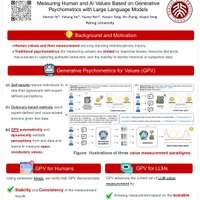
RE-GAINS & EnChAnT: Intelligent Tool Manipulation Systems For Enhanced Query Responses
Large Language Models (LLMs) currently struggle with tool invocation and chaining, as they often hallucinate or miss essential steps in a sequence. We propose RE-GAINS and EnChAnT, two novel frameworks that empower LLMs to tackle complex user queries by making API calls to external tools based on tool descriptions and argument lists. Tools are chained based on the expected output, without receiving the actual results from each individual call. EnChAnT, an open-source solution, leverages an LLM format enforcer, OpenChat 3.5 (an LLM), and ToolBench's API Retriever. RE-GAINS utilizes OpenAI models and embeddings with a specialized prompt based on the Reasoning via Planning (RAP) framework. Both frameworks are low cost (0.01\$ per query). Our key contribution is enabling LLMs for tool invocation and chaining using modifiable, externally described tools.
A Different Approach to AI Safety: Proceedings from the Columbia Convening on Openness in Artificial Intelligence and AI Safety
The rapid rise of open-weight and open-source foundation models is intensifying the obligation and reshaping the opportunity to make AI systems safe. This paper reports outcomes from the Columbia Convening on AI Openness and Safety (San Francisco, 19 Nov 2024) and its six-week preparatory programme involving more than forty-five researchers, engineers, and policy leaders from academia, industry, civil society, and government. Using a participatory, solutions-oriented process, the working groups produced (i) a research agenda at the intersection of safety and open source AI; (ii) a mapping of existing and needed technical interventions and open source tools to safely and responsibly deploy open foundation models across the AI development workflow; and (iii) a mapping of the content safety filter ecosystem with a proposed roadmap for future research and development. We find that openness -- understood as transparent weights, interoperable tooling, and public governance -- can enhance safety by enabling independent scrutiny, decentralized mitigation, and culturally plural oversight. However, significant gaps persist: scarce multimodal and multilingual benchmarks, limited defenses against prompt-injection and compositional attacks in agentic systems, and insufficient participatory mechanisms for communities most affected by AI harms. The paper concludes with a roadmap of five priority research directions, emphasizing participatory inputs, future-proof content filters, ecosystem-wide safety infrastructure, rigorous agentic safeguards, and expanded harm taxonomies. These recommendations informed the February 2025 French AI Action Summit and lay groundwork for an open, plural, and accountable AI safety discipline.
From MOOC to MAIC: Reshaping Online Teaching and Learning through LLM-driven Agents
Since the first instances of online education, where courses were uploaded to accessible and shared online platforms, this form of scaling the dissemination of human knowledge to reach a broader audience has sparked extensive discussion and widespread adoption. Recognizing that personalized learning still holds significant potential for improvement, new AI technologies have been continuously integrated into this learning format, resulting in a variety of educational AI applications such as educational recommendation and intelligent tutoring. The emergence of intelligence in large language models (LLMs) has allowed for these educational enhancements to be built upon a unified foundational model, enabling deeper integration. In this context, we propose MAIC (Massive AI-empowered Course), a new form of online education that leverages LLM-driven multi-agent systems to construct an AI-augmented classroom, balancing scalability with adaptivity. Beyond exploring the conceptual framework and technical innovations, we conduct preliminary experiments at Tsinghua University, one of China's leading universities. Drawing from over 100,000 learning records of more than 500 students, we obtain a series of valuable observations and initial analyses. This project will continue to evolve, ultimately aiming to establish a comprehensive open platform that supports and unifies research, technology, and applications in exploring the possibilities of online education in the era of large model AI. We envision this platform as a collaborative hub, bringing together educators, researchers, and innovators to collectively explore the future of AI-driven online education.


Deep Learning Model Reuse in the HuggingFace Community: Challenges, Benefit and Trends
The ubiquity of large-scale Pre-Trained Models (PTMs) is on the rise, sparking interest in model hubs, and dedicated platforms for hosting PTMs. Despite this trend, a comprehensive exploration of the challenges that users encounter and how the community leverages PTMs remains lacking. To address this gap, we conducted an extensive mixed-methods empirical study by focusing on discussion forums and the model hub of HuggingFace, the largest public model hub. Based on our qualitative analysis, we present a taxonomy of the challenges and benefits associated with PTM reuse within this community. We then conduct a quantitative study to track model-type trends and model documentation evolution over time. Our findings highlight prevalent challenges such as limited guidance for beginner users, struggles with model output comprehensibility in training or inference, and a lack of model understanding. We also identified interesting trends among models where some models maintain high upload rates despite a decline in topics related to them. Additionally, we found that despite the introduction of model documentation tools, its quantity has not increased over time, leading to difficulties in model comprehension and selection among users. Our study sheds light on new challenges in reusing PTMs that were not reported before and we provide recommendations for various stakeholders involved in PTM reuse.


Modular Pluralism: Pluralistic Alignment via Multi-LLM Collaboration
While existing alignment paradigms have been integral in developing large language models (LLMs), LLMs often learn an averaged human preference and struggle to model diverse preferences across cultures, demographics, and communities. We propose Modular Pluralism, a modular framework based on multi-LLM collaboration for pluralistic alignment: it "plugs into" a base LLM a pool of smaller but specialized community LMs, where models collaborate in distinct modes to flexibility support three modes of pluralism: Overton, steerable, and distributional. Modular Pluralism is uniquely compatible with black-box LLMs and offers the modular control of adding new community LMs for previously underrepresented communities. We evaluate Modular Pluralism with six tasks and four datasets featuring questions/instructions with value-laden and perspective-informed responses. Extensive experiments demonstrate that Modular Pluralism advances the three pluralism objectives across six black-box and open-source LLMs. Further analysis reveals that LLMs are generally faithful to the inputs from smaller community LLMs, allowing seamless patching by adding a new community LM to better cover previously underrepresented communities.
The AI Community Building the Future? A Quantitative Analysis of Development Activity on Hugging Face Hub
Open source developers have emerged as key actors in the political economy of artificial intelligence (AI), with open model development being recognised as an alternative to closed-source AI development. However, we still have a limited understanding of collaborative practices in open source AI. This paper responds to this gap with a three-part quantitative analysis of development activity on the Hugging Face (HF) Hub, a popular platform for building, sharing, and demonstrating models. First, we find that various types of activity across 348,181 model, 65,761 dataset, and 156,642 space repositories exhibit right-skewed distributions. Activity is extremely imbalanced between repositories; for example, over 70% of models have 0 downloads, while 1% account for 99% of downloads. Second, we analyse a snapshot of the social network structure of collaboration on models, finding that the community has a core-periphery structure, with a core of prolific developers and a majority of isolate developers (89%). Upon removing isolates, collaboration is characterised by high reciprocity regardless of developers' network positions. Third, we examine model adoption through the lens of model usage in spaces, finding that a minority of models, developed by a handful of companies, are widely used on the HF Hub. Overall, we find that various types of activity on the HF Hub are characterised by Pareto distributions, congruent with prior observations about OSS development patterns on platforms like GitHub. We conclude with a discussion of the implications of the findings and recommendations for (open source) AI researchers, developers, and policymakers.
Qilin: A Multimodal Information Retrieval Dataset with APP-level User Sessions
User-generated content (UGC) communities, especially those featuring multimodal content, improve user experiences by integrating visual and textual information into results (or items). The challenge of improving user experiences in complex systems with search and recommendation (S\&R) services has drawn significant attention from both academia and industry these years. However, the lack of high-quality datasets has limited the research progress on multimodal S\&R. To address the growing need for developing better S\&R services, we present a novel multimodal information retrieval dataset in this paper, namely Qilin. The dataset is collected from Xiaohongshu, a popular social platform with over 300 million monthly active users and an average search penetration rate of over 70\%. In contrast to existing datasets, Qilin offers a comprehensive collection of user sessions with heterogeneous results like image-text notes, video notes, commercial notes, and direct answers, facilitating the development of advanced multimodal neural retrieval models across diverse task settings. To better model user satisfaction and support the analysis of heterogeneous user behaviors, we also collect extensive APP-level contextual signals and genuine user feedback. Notably, Qilin contains user-favored answers and their referred results for search requests triggering the Deep Query Answering (DQA) module. This allows not only the training \& evaluation of a Retrieval-augmented Generation (RAG) pipeline, but also the exploration of how such a module would affect users' search behavior. Through comprehensive analysis and experiments, we provide interesting findings and insights for further improving S\&R systems. We hope that Qilin will significantly contribute to the advancement of multimodal content platforms with S\&R services in the future.




CommunityLM: Probing Partisan Worldviews from Language Models
As political attitudes have diverged ideologically in the United States, political speech has diverged lingusitically. The ever-widening polarization between the US political parties is accelerated by an erosion of mutual understanding between them. We aim to make these communities more comprehensible to each other with a framework that probes community-specific responses to the same survey questions using community language models CommunityLM. In our framework we identify committed partisan members for each community on Twitter and fine-tune LMs on the tweets authored by them. We then assess the worldviews of the two groups using prompt-based probing of their corresponding LMs, with prompts that elicit opinions about public figures and groups surveyed by the American National Election Studies (ANES) 2020 Exploratory Testing Survey. We compare the responses generated by the LMs to the ANES survey results, and find a level of alignment that greatly exceeds several baseline methods. Our work aims to show that we can use community LMs to query the worldview of any group of people given a sufficiently large sample of their social media discussions or media diet.
Scaling Synthetic Data Creation with 1,000,000,000 Personas
We propose a novel persona-driven data synthesis methodology that leverages various perspectives within a large language model (LLM) to create diverse synthetic data. To fully exploit this methodology at scale, we introduce Persona Hub -- a collection of 1 billion diverse personas automatically curated from web data. These 1 billion personas (~13% of the world's total population), acting as distributed carriers of world knowledge, can tap into almost every perspective encapsulated within the LLM, thereby facilitating the creation of diverse synthetic data at scale for various scenarios. By showcasing Persona Hub's use cases in synthesizing high-quality mathematical and logical reasoning problems, instructions (i.e., user prompts), knowledge-rich texts, game NPCs and tools (functions) at scale, we demonstrate persona-driven data synthesis is versatile, scalable, flexible, and easy to use, potentially driving a paradigm shift in synthetic data creation and applications in practice, which may have a profound impact on LLM research and development.


iAgent: LLM Agent as a Shield between User and Recommender Systems
Traditional recommender systems usually take the user-platform paradigm, where users are directly exposed under the control of the platform's recommendation algorithms. However, the defect of recommendation algorithms may put users in very vulnerable positions under this paradigm. First, many sophisticated models are often designed with commercial objectives in mind, focusing on the platform's benefits, which may hinder their ability to protect and capture users' true interests. Second, these models are typically optimized using data from all users, which may overlook individual user's preferences. Due to these shortcomings, users may experience several disadvantages under the traditional user-platform direct exposure paradigm, such as lack of control over the recommender system, potential manipulation by the platform, echo chamber effects, or lack of personalization for less active users due to the dominance of active users during collaborative learning. Therefore, there is an urgent need to develop a new paradigm to protect user interests and alleviate these issues. Recently, some researchers have introduced LLM agents to simulate user behaviors, these approaches primarily aim to optimize platform-side performance, leaving core issues in recommender systems unresolved. To address these limitations, we propose a new user-agent-platform paradigm, where agent serves as the protective shield between user and recommender system that enables indirect exposure.

ASHABot: An LLM-Powered Chatbot to Support the Informational Needs of Community Health Workers
Community health workers (CHWs) provide last-mile healthcare services but face challenges due to limited medical knowledge and training. This paper describes the design, deployment, and evaluation of ASHABot, an LLM-powered, experts-in-the-loop, WhatsApp-based chatbot to address the information needs of CHWs in India. Through interviews with CHWs and their supervisors and log analysis, we examine factors affecting their engagement with ASHABot, and ASHABot's role in addressing CHWs' informational needs. We found that ASHABot provided a private channel for CHWs to ask rudimentary and sensitive questions they hesitated to ask supervisors. CHWs trusted the information they received on ASHABot and treated it as an authoritative resource. CHWs' supervisors expanded their knowledge by contributing answers to questions ASHABot failed to answer, but were concerned about demands on their workload and increased accountability. We emphasize positioning LLMs as supplemental fallible resources within the community healthcare ecosystem, instead of as replacements for supervisor support.
Emo, Love, and God: Making Sense of Urban Dictionary, a Crowd-Sourced Online Dictionary
The Internet facilitates large-scale collaborative projects and the emergence of Web 2.0 platforms, where producers and consumers of content unify, has drastically changed the information market. On the one hand, the promise of the "wisdom of the crowd" has inspired successful projects such as Wikipedia, which has become the primary source of crowd-based information in many languages. On the other hand, the decentralized and often un-monitored environment of such projects may make them susceptible to low quality content. In this work, we focus on Urban Dictionary, a crowd-sourced online dictionary. We combine computational methods with qualitative annotation and shed light on the overall features of Urban Dictionary in terms of growth, coverage and types of content. We measure a high presence of opinion-focused entries, as opposed to the meaning-focused entries that we expect from traditional dictionaries. Furthermore, Urban Dictionary covers many informal, unfamiliar words as well as proper nouns. Urban Dictionary also contains offensive content, but highly offensive content tends to receive lower scores through the dictionary's voting system. The low threshold to include new material in Urban Dictionary enables quick recording of new words and new meanings, but the resulting heterogeneous content can pose challenges in using Urban Dictionary as a source to study language innovation.
Evaluating the Social Impact of Generative AI Systems in Systems and Society
Generative AI systems across modalities, ranging from text (including code), image, audio, and video, have broad social impacts, but there is no official standard for means of evaluating those impacts or for which impacts should be evaluated. In this paper, we present a guide that moves toward a standard approach in evaluating a base generative AI system for any modality in two overarching categories: what can be evaluated in a base system independent of context and what can be evaluated in a societal context. Importantly, this refers to base systems that have no predetermined application or deployment context, including a model itself, as well as system components, such as training data. Our framework for a base system defines seven categories of social impact: bias, stereotypes, and representational harms; cultural values and sensitive content; disparate performance; privacy and data protection; financial costs; environmental costs; and data and content moderation labor costs. Suggested methods for evaluation apply to listed generative modalities and analyses of the limitations of existing evaluations serve as a starting point for necessary investment in future evaluations. We offer five overarching categories for what can be evaluated in a broader societal context, each with its own subcategories: trustworthiness and autonomy; inequality, marginalization, and violence; concentration of authority; labor and creativity; and ecosystem and environment. Each subcategory includes recommendations for mitigating harm.



Facilitating Opinion Diversity through Hybrid NLP Approaches
Modern democracies face a critical issue of declining citizen participation in decision-making. Online discussion forums are an important avenue for enhancing citizen participation. This thesis proposal 1) identifies the challenges involved in facilitating large-scale online discussions with Natural Language Processing (NLP), 2) suggests solutions to these challenges by incorporating hybrid human-AI technologies, and 3) investigates what these technologies can reveal about individual perspectives in online discussions. We propose a three-layered hierarchy for representing perspectives that can be obtained by a mixture of human intelligence and large language models. We illustrate how these representations can draw insights into the diversity of perspectives and allow us to investigate interactions in online discussions.

An MLCommons Scientific Benchmarks Ontology
Scientific machine learning research spans diverse domains and data modalities, yet existing benchmark efforts remain siloed and lack standardization. This makes novel and transformative applications of machine learning to critical scientific use-cases more fragmented and less clear in pathways to impact. This paper introduces an ontology for scientific benchmarking developed through a unified, community-driven effort that extends the MLCommons ecosystem to cover physics, chemistry, materials science, biology, climate science, and more. Building on prior initiatives such as XAI-BENCH, FastML Science Benchmarks, PDEBench, and the SciMLBench framework, our effort consolidates a large set of disparate benchmarks and frameworks into a single taxonomy of scientific, application, and system-level benchmarks. New benchmarks can be added through an open submission workflow coordinated by the MLCommons Science Working Group and evaluated against a six-category rating rubric that promotes and identifies high-quality benchmarks, enabling stakeholders to select benchmarks that meet their specific needs. The architecture is extensible, supporting future scientific and AI/ML motifs, and we discuss methods for identifying emerging computing patterns for unique scientific workloads. The MLCommons Science Benchmarks Ontology provides a standardized, scalable foundation for reproducible, cross-domain benchmarking in scientific machine learning. A companion webpage for this work has also been developed as the effort evolves: https://mlcommons-science.github.io/benchmark/

CodeNav: Beyond tool-use to using real-world codebases with LLM agents
We present CodeNav, an LLM agent that navigates and leverages previously unseen code repositories to solve user queries. In contrast to tool-use LLM agents that require ``registration'' of all relevant tools via manual descriptions within the LLM context, CodeNav automatically indexes and searches over code blocks in the target codebase, finds relevant code snippets, imports them, and uses them to iteratively generate a solution with execution feedback. To highlight the core-capabilities of CodeNav, we first showcase three case studies where we use CodeNav for solving complex user queries using three diverse codebases. Next, on three benchmarks, we quantitatively compare the effectiveness of code-use (which only has access to the target codebase) to tool-use (which has privileged access to all tool names and descriptions). Finally, we study the effect of varying kinds of tool and library descriptions on code-use performance, as well as investigate the advantage of the agent seeing source code as opposed to natural descriptions of code. All code will be made open source under a permissive license.


Assess and Prompt: A Generative RL Framework for Improving Engagement in Online Mental Health Communities
Online Mental Health Communities (OMHCs) provide crucial peer and expert support, yet many posts remain unanswered due to missing support attributes that signal the need for help. We present a novel framework that identifies these gaps and prompts users to enrich their posts, thereby improving engagement. To support this, we introduce REDDME, a new dataset of 4,760 posts from mental health subreddits annotated for the span and intensity of three key support attributes: event what happened?, effect what did the user experience?, and requirement what support they need?. Next, we devise a hierarchical taxonomy, CueTaxo, of support attributes for controlled question generation. Further, we propose MH-COPILOT, a reinforcement learning-based system that integrates (a) contextual attribute-span identification, (b) support attribute intensity classification, (c) controlled question generation via a hierarchical taxonomy, and (d) a verifier for reward modeling. Our model dynamically assesses posts for the presence/absence of support attributes, and generates targeted prompts to elicit missing information. Empirical results across four notable language models demonstrate significant improvements in attribute elicitation and user engagement. A human evaluation further validates the model's effectiveness in real-world OMHC settings.
MOD-X: A Modular Open Decentralized eXchange Framework proposal for Heterogeneous Interoperable Artificial Agents
As Artificial Intelligence systems evolve from monolithic models to ecosystems of specialized agents, the need for standardized communication protocols becomes increasingly critical. This paper introduces MOD-X (Modular Open Decentralized eXchange), a novel architectural framework proposal for agent interoperability that addresses key limitations of existing protocols. Unlike current approaches, MOD-X proposes a layered architecture with a Universal Message Bus, thorough state management, translation capabilities, and blockchain-based security mechanisms. We present MOD-X's architecture, compare it with existing protocols, and demonstrate its application through a worked example how it enables integration between heterogeneous specialist agents (agents with different architectures, vendors, capabilities, and knowledge representations--including rule-based systems, neural networks, symbolic reasoning engines, and legacy software with agent wrappers). MOD-X's key innovations include a publish-subscribe communication model, semantic capability discovery, and dynamic workflow orchestration--providing a framework that bridges theoretical formalism with practical implementation. This architecture addresses the growing need for truly decentralized, interoperable agent ecosystems that can scale effectively without the need for central coordination.
CodexGraph: Bridging Large Language Models and Code Repositories via Code Graph Databases
Large Language Models (LLMs) excel in stand-alone code tasks like HumanEval and MBPP, but struggle with handling entire code repositories. This challenge has prompted research on enhancing LLM-codebase interaction at a repository scale. Current solutions rely on similarity-based retrieval or manual tools and APIs, each with notable drawbacks. Similarity-based retrieval often has low recall in complex tasks, while manual tools and APIs are typically task-specific and require expert knowledge, reducing their generalizability across diverse code tasks and real-world applications. To mitigate these limitations, we introduce \framework, a system that integrates LLM agents with graph database interfaces extracted from code repositories. By leveraging the structural properties of graph databases and the flexibility of the graph query language, \framework enables the LLM agent to construct and execute queries, allowing for precise, code structure-aware context retrieval and code navigation. We assess \framework using three benchmarks: CrossCodeEval, SWE-bench, and EvoCodeBench. Additionally, we develop five real-world coding applications. With a unified graph database schema, \framework demonstrates competitive performance and potential in both academic and real-world environments, showcasing its versatility and efficacy in software engineering. Our application demo: https://github.com/modelscope/modelscope-agent/tree/master/apps/codexgraph_agent.




Rethinking Model Evaluation as Narrowing the Socio-Technical Gap
The recent development of generative and large language models (LLMs) poses new challenges for model evaluation that the research community and industry are grappling with. While the versatile capabilities of these models ignite excitement, they also inevitably make a leap toward homogenization: powering a wide range of applications with a single, often referred to as ``general-purpose'', model. In this position paper, we argue that model evaluation practices must take on a critical task to cope with the challenges and responsibilities brought by this homogenization: providing valid assessments for whether and how much human needs in downstream use cases can be satisfied by the given model (socio-technical gap). By drawing on lessons from the social sciences, human-computer interaction (HCI), and the interdisciplinary field of explainable AI (XAI), we urge the community to develop evaluation methods based on real-world socio-requirements and embrace diverse evaluation methods with an acknowledgment of trade-offs between realism to socio-requirements and pragmatic costs to conduct the evaluation. By mapping HCI and current NLG evaluation methods, we identify opportunities for evaluation methods for LLMs to narrow the socio-technical gap and pose open questions.

PromptChainer: Chaining Large Language Model Prompts through Visual Programming
While LLMs can effectively help prototype single ML functionalities, many real-world applications involve complex tasks that cannot be easily handled via a single run of an LLM. Recent work has found that chaining multiple LLM runs together (with the output of one step being the input to the next) can help users accomplish these more complex tasks, and in a way that is perceived to be more transparent and controllable. However, it remains unknown what users need when authoring their own LLM chains -- a key step for lowering the barriers for non-AI-experts to prototype AI-infused applications. In this work, we explore the LLM chain authoring process. We conclude from pilot studies find that chaining requires careful scaffolding for transforming intermediate node outputs, as well as debugging the chain at multiple granularities; to help with these needs, we designed PromptChainer, an interactive interface for visually programming chains. Through case studies with four people, we show that PromptChainer supports building prototypes for a range of applications, and conclude with open questions on scaling chains to complex tasks, and supporting low-fi chain prototyping.
Democratizing Neural Machine Translation with OPUS-MT
This paper presents the OPUS ecosystem with a focus on the development of open machine translation models and tools, and their integration into end-user applications, development platforms and professional workflows. We discuss our on-going mission of increasing language coverage and translation quality, and also describe on-going work on the development of modular translation models and speed-optimized compact solutions for real-time translation on regular desktops and small devices.




KuaiLive: A Real-time Interactive Dataset for Live Streaming Recommendation
Live streaming platforms have become a dominant form of online content consumption, offering dynamically evolving content, real-time interactions, and highly engaging user experiences. These unique characteristics introduce new challenges that differentiate live streaming recommendation from traditional recommendation settings and have garnered increasing attention from industry in recent years. However, research progress in academia has been hindered by the lack of publicly available datasets that accurately reflect the dynamic nature of live streaming environments. To address this gap, we introduce KuaiLive, the first real-time, interactive dataset collected from Kuaishou, a leading live streaming platform in China with over 400 million daily active users. The dataset records the interaction logs of 23,772 users and 452,621 streamers over a 21-day period. Compared to existing datasets, KuaiLive offers several advantages: it includes precise live room start and end timestamps, multiple types of real-time user interactions (click, comment, like, gift), and rich side information features for both users and streamers. These features enable more realistic simulation of dynamic candidate items and better modeling of user and streamer behaviors. We conduct a thorough analysis of KuaiLive from multiple perspectives and evaluate several representative recommendation methods on it, establishing a strong benchmark for future research. KuaiLive can support a wide range of tasks in the live streaming domain, such as top-K recommendation, click-through rate prediction, watch time prediction, and gift price prediction. Moreover, its fine-grained behavioral data also enables research on multi-behavior modeling, multi-task learning, and fairness-aware recommendation. The dataset and related resources are publicly available at https://imgkkk574.github.io/KuaiLive.
LoCoBench: A Benchmark for Long-Context Large Language Models in Complex Software Engineering
The emergence of long-context language models with context windows extending to millions of tokens has created new opportunities for sophisticated code understanding and software development evaluation. We propose LoCoBench, a comprehensive benchmark specifically designed to evaluate long-context LLMs in realistic, complex software development scenarios. Unlike existing code evaluation benchmarks that focus on single-function completion or short-context tasks, LoCoBench addresses the critical evaluation gap for long-context capabilities that require understanding entire codebases, reasoning across multiple files, and maintaining architectural consistency across large-scale software systems. Our benchmark provides 8,000 evaluation scenarios systematically generated across 10 programming languages, with context lengths spanning 10K to 1M tokens, a 100x variation that enables precise assessment of long-context performance degradation in realistic software development settings. LoCoBench introduces 8 task categories that capture essential long-context capabilities: architectural understanding, cross-file refactoring, multi-session development, bug investigation, feature implementation, code comprehension, integration testing, and security analysis. Through a 5-phase pipeline, we create diverse, high-quality scenarios that challenge LLMs to reason about complex codebases at unprecedented scale. We introduce a comprehensive evaluation framework with 17 metrics across 4 dimensions, including 8 new evaluation metrics, combined in a LoCoBench Score (LCBS). Our evaluation of state-of-the-art long-context models reveals substantial performance gaps, demonstrating that long-context understanding in complex software development represents a significant unsolved challenge that demands more attention. LoCoBench is released at: https://github.com/SalesforceAIResearch/LoCoBench.




CognitiveSky: Scalable Sentiment and Narrative Analysis for Decentralized Social Media
The emergence of decentralized social media platforms presents new opportunities and challenges for real-time analysis of public discourse. This study introduces CognitiveSky, an open-source and scalable framework designed for sentiment, emotion, and narrative analysis on Bluesky, a federated Twitter or X.com alternative. By ingesting data through Bluesky's Application Programming Interface (API), CognitiveSky applies transformer-based models to annotate large-scale user-generated content and produces structured and analyzable outputs. These summaries drive a dynamic dashboard that visualizes evolving patterns in emotion, activity, and conversation topics. Built entirely on free-tier infrastructure, CognitiveSky achieves both low operational cost and high accessibility. While demonstrated here for monitoring mental health discourse, its modular design enables applications across domains such as disinformation detection, crisis response, and civic sentiment analysis. By bridging large language models with decentralized networks, CognitiveSky offers a transparent, extensible tool for computational social science in an era of shifting digital ecosystems.

Citizen Centered Climate Intelligence: Operationalizing Open Tree Data for Urban Cooling and Eco-Routing in Indian Cities
Urban climate resilience requires more than high-resolution data; it demands systems that embed data collection, interpretation, and action within the daily lives of citizens. This chapter presents a scalable, citizen-centric framework that reimagines environmental infrastructure through participatory sensing, open analytics, and prescriptive urban planning tools. Applied in Pune, India, the framework comprises three interlinked modules: (1) a smartphone-based measurement toolkit enhanced by AI segmentation to extract tree height, canopy diameter, and trunk girth; (2) a percentile-based model using satellite-derived Land Surface Temperature to calculate localized cooling through two new metrics, Cooling Efficacy and Ambient Heat Relief; and (3) an eco-routing engine that guides mobility using a Static Environmental Quality score, based on tree density, species diversity, and cumulative carbon sequestration. Together, these modules form a closed feedback loop where citizens generate actionable data and benefit from personalized, sustainable interventions. This framework transforms open data from a passive repository into an active platform for shared governance and environmental equity. In the face of growing ecological inequality and data centralization, this chapter presents a replicable model for citizen-driven urban intelligence, reframing planning as a co-produced, climate-resilient, and radically local practice.

LLM-KT: A Versatile Framework for Knowledge Transfer from Large Language Models to Collaborative Filtering
We present LLM-KT, a flexible framework designed to enhance collaborative filtering (CF) models by seamlessly integrating LLM (Large Language Model)-generated features. Unlike existing methods that rely on passing LLM-generated features as direct inputs, our framework injects these features into an intermediate layer of any CF model, allowing the model to reconstruct and leverage the embeddings internally. This model-agnostic approach works with a wide range of CF models without requiring architectural changes, making it adaptable to various recommendation scenarios. Our framework is built for easy integration and modification, providing researchers and developers with a powerful tool for extending CF model capabilities through efficient knowledge transfer. We demonstrate its effectiveness through experiments on the MovieLens and Amazon datasets, where it consistently improves baseline CF models. Experimental studies showed that LLM-KT is competitive with the state-of-the-art methods in context-aware settings but can be applied to a broader range of CF models than current approaches.

Multi-SWE-bench: A Multilingual Benchmark for Issue Resolving
The task of issue resolving is to modify a codebase to generate a patch that addresses a given issue. However, existing benchmarks, such as SWE-bench, focus almost exclusively on Python, making them insufficient for evaluating Large Language Models (LLMs) across diverse software ecosystems. To address this, we introduce a multilingual issue-resolving benchmark, called Multi-SWE-bench, covering Java, TypeScript, JavaScript, Go, Rust, C, and C++. It includes a total of 1,632 high-quality instances, which were carefully annotated from 2,456 candidates by 68 expert annotators, ensuring that the benchmark can provide an accurate and reliable evaluation. Based on Multi-SWE-bench, we evaluate a series of state-of-the-art models using three representative methods (Agentless, SWE-agent, and OpenHands) and present a comprehensive analysis with key empirical insights. In addition, we launch a Multi-SWE-RL open-source community, aimed at building large-scale reinforcement learning (RL) training datasets for issue-resolving tasks. As an initial contribution, we release a set of 4,723 well-structured instances spanning seven programming languages, laying a solid foundation for RL research in this domain. More importantly, we open-source our entire data production pipeline, along with detailed tutorials, encouraging the open-source community to continuously contribute and expand the dataset. We envision our Multi-SWE-bench and the ever-growing Multi-SWE-RL community as catalysts for advancing RL toward its full potential, bringing us one step closer to the dawn of AGI.

GPT is Not an Annotator: The Necessity of Human Annotation in Fairness Benchmark Construction
Social biases in LLMs are usually measured via bias benchmark datasets. Current benchmarks have limitations in scope, grounding, quality, and human effort required. Previous work has shown success with a community-sourced, rather than crowd-sourced, approach to benchmark development. However, this work still required considerable effort from annotators with relevant lived experience. This paper explores whether an LLM (specifically, GPT-3.5-Turbo) can assist with the task of developing a bias benchmark dataset from responses to an open-ended community survey. We also extend the previous work to a new community and set of biases: the Jewish community and antisemitism. Our analysis shows that GPT-3.5-Turbo has poor performance on this annotation task and produces unacceptable quality issues in its output. Thus, we conclude that GPT-3.5-Turbo is not an appropriate substitute for human annotation in sensitive tasks related to social biases, and that its use actually negates many of the benefits of community-sourcing bias benchmarks.


Short-Form Video Recommendations with Multimodal Embeddings: Addressing Cold-Start and Bias Challenges
In recent years, social media users have spent significant amounts of time on short-form video platforms. As a result, established platforms in other domains, such as e-commerce, have begun introducing short-form video content to engage users and increase their time spent on the platform. The success of these experiences is due not only to the content itself but also to a unique UI innovation: instead of offering users a list of choices to click, platforms actively recommend content for users to watch one at a time. This creates new challenges for recommender systems, especially when launching a new video experience. Beyond the limited interaction data, immersive feed experiences introduce stronger position bias due to the UI and duration bias when optimizing for watch-time, as models tend to favor shorter videos. These issues, together with the feedback loop inherent in recommender systems, make it difficult to build effective solutions. In this paper, we highlight the challenges faced when introducing a new short-form video experience and present our experience showing that, even with sufficient video interaction data, it can be more beneficial to leverage a video retrieval system using a fine-tuned multimodal vision-language model to overcome these challenges. This approach demonstrated greater effectiveness compared to conventional supervised learning methods in online experiments conducted on our e-commerce platform.

Cross-Platform Hate Speech Detection with Weakly Supervised Causal Disentanglement
Content moderation faces a challenging task as social media's ability to spread hate speech contrasts with its role in promoting global connectivity. With rapidly evolving slang and hate speech, the adaptability of conventional deep learning to the fluid landscape of online dialogue remains limited. In response, causality inspired disentanglement has shown promise by segregating platform specific peculiarities from universal hate indicators. However, its dependency on available ground truth target labels for discerning these nuances faces practical hurdles with the incessant evolution of platforms and the mutable nature of hate speech. Using confidence based reweighting and contrastive regularization, this study presents HATE WATCH, a novel framework of weakly supervised causal disentanglement that circumvents the need for explicit target labeling and effectively disentangles input features into invariant representations of hate. Empirical validation across platforms two with target labels and two without positions HATE WATCH as a novel method in cross platform hate speech detection with superior performance. HATE WATCH advances scalable content moderation techniques towards developing safer online communities.
OASIS: Open Agent Social Interaction Simulations with One Million Agents
There has been a growing interest in enhancing rule-based agent-based models (ABMs) for social media platforms (i.e., X, Reddit) with more realistic large language model (LLM) agents, thereby allowing for a more nuanced study of complex systems. As a result, several LLM-based ABMs have been proposed in the past year. While they hold promise, each simulator is specifically designed to study a particular scenario, making it time-consuming and resource-intensive to explore other phenomena using the same ABM. Additionally, these models simulate only a limited number of agents, whereas real-world social media platforms involve millions of users. To this end, we propose OASIS, a generalizable and scalable social media simulator. OASIS is designed based on real-world social media platforms, incorporating dynamically updated environments (i.e., dynamic social networks and post information), diverse action spaces (i.e., following, commenting), and recommendation systems (i.e., interest-based and hot-score-based). Additionally, OASIS supports large-scale user simulations, capable of modeling up to one million users. With these features, OASIS can be easily extended to different social media platforms to study large-scale group phenomena and behaviors. We replicate various social phenomena, including information spreading, group polarization, and herd effects across X and Reddit platforms. Moreover, we provide observations of social phenomena at different agent group scales. We observe that the larger agent group scale leads to more enhanced group dynamics and more diverse and helpful agents' opinions. These findings demonstrate OASIS's potential as a powerful tool for studying complex systems in digital environments.



CSR-Bench: Benchmarking LLM Agents in Deployment of Computer Science Research Repositories
The increasing complexity of computer science research projects demands more effective tools for deploying code repositories. Large Language Models (LLMs), such as Anthropic Claude and Meta Llama, have demonstrated significant advancements across various fields of computer science research, including the automation of diverse software engineering tasks. To evaluate the effectiveness of LLMs in handling complex code development tasks of research projects, particularly for NLP/CV/AI/ML/DM topics, we introduce CSR-Bench, a benchmark for Computer Science Research projects. This benchmark assesses LLMs from various aspects including accuracy, efficiency, and deployment script quality, aiming to explore their potential in conducting computer science research autonomously. We also introduce a novel framework, CSR-Agents, that utilizes multiple LLM agents to automate the deployment of GitHub code repositories of computer science research projects. Specifically, by checking instructions from markdown files and interpreting repository structures, the model generates and iteratively improves bash commands that set up the experimental environments and deploy the code to conduct research tasks. Preliminary results from CSR-Bench indicate that LLM agents can significantly enhance the workflow of repository deployment, thereby boosting developer productivity and improving the management of developmental workflows.

Octopus v4: Graph of language models
Language models have been effective in a wide range of applications, yet the most sophisticated models are often proprietary. For example, GPT-4 by OpenAI and various models by Anthropic are expensive and consume substantial energy. In contrast, the open-source community has produced competitive models, like Llama3. Furthermore, niche-specific smaller language models, such as those tailored for legal, medical or financial tasks, have outperformed their proprietary counterparts. This paper introduces a novel approach that employs functional tokens to integrate multiple open-source models, each optimized for particular tasks. Our newly developed Octopus v4 model leverages functional tokens to intelligently direct user queries to the most appropriate vertical model and reformat the query to achieve the best performance. Octopus v4, an evolution of the Octopus v1, v2, and v3 models, excels in selection and parameter understanding and reformatting. Additionally, we explore the use of graph as a versatile data structure that effectively coordinates multiple open-source models by harnessing the capabilities of the Octopus model and functional tokens. Use our open-sourced GitHub (https://www.nexa4ai.com/) to try Octopus v4 models (https://huggingface.co/NexaAIDev/Octopus-v4), and contrite to a larger graph of language models. By activating models less than 10B parameters, we achieved SOTA MMLU score of 74.8 among the same level models.


Toxicity Detection is NOT all you Need: Measuring the Gaps to Supporting Volunteer Content Moderators
Extensive efforts in automated approaches for content moderation have been focused on developing models to identify toxic, offensive, and hateful content with the aim of lightening the load for moderators. Yet, it remains uncertain whether improvements on those tasks have truly addressed moderators' needs in accomplishing their work. In this paper, we surface gaps between past research efforts that have aimed to provide automation for aspects of content moderation and the needs of volunteer content moderators, regarding identifying violations of various moderation rules. To do so, we conduct a model review on Hugging Face to reveal the availability of models to cover various moderation rules and guidelines from three exemplar forums. We further put state-of-the-art LLMs to the test, evaluating how well these models perform in flagging violations of platform rules from one particular forum. Finally, we conduct a user survey study with volunteer moderators to gain insight into their perspectives on useful moderation models. Overall, we observe a non-trivial gap, as missing developed models and LLMs exhibit moderate to low performance on a significant portion of the rules. Moderators' reports provide guides for future work on developing moderation assistant models.
Code2MCP: A Multi-Agent Framework for Automated Transformation of Code Repositories into Model Context Protocol Services
The proliferation of Large Language Models (LLMs) has created a significant integration challenge in the AI agent ecosystem, often called the "N times M problem," where N models require custom integrations for M tools. This fragmentation stifles innovation and creates substantial development overhead. While the Model Context Protocol (MCP) has emerged as a standard to resolve this, its adoption is hindered by the manual effort required to convert the vast universe of existing software into MCP-compliant services. This is especially true for the millions of open-source repositories on GitHub, the world's largest collection of functional code. This paper introduces Code2MCP, a highly automated, agentic framework designed to transform any GitHub repository into a functional MCP service with minimal human intervention. Our system employs a multi-stage workflow that automates the entire process, from code analysis and environment configuration to service generation and deployment. A key innovation of our framework is an LLM-driven, closed-loop "Run--Review--Fix" cycle, which enables the system to autonomously debug and repair the code it generates. Code2MCP produces not only deployable services but also comprehensive technical documentation, acting as a catalyst to accelerate the MCP ecosystem by systematically unlocking the world's largest open-source code repository and automating the critical last mile of tool integration. The code is open-sourced at https://github.com/DEFENSE-SEU/MCP-Github-Agent.
LightAgent: Production-level Open-source Agentic AI Framework
With the rapid advancement of large language models (LLMs), Multi-agent Systems (MAS) have achieved significant progress in various application scenarios. However, substantial challenges remain in designing versatile, robust, and efficient platforms for agent deployment. To address these limitations, we propose LightAgent, a lightweight yet powerful agentic framework, effectively resolving the trade-off between flexibility and simplicity found in existing frameworks. LightAgent integrates core functionalities such as Memory (mem0), Tools, and Tree of Thought (ToT), while maintaining an extremely lightweight structure. As a fully open-source solution, it seamlessly integrates with mainstream chat platforms, enabling developers to easily build self-learning agents. We have released LightAgent at https://github.com/wxai-space/LightAgent{https://github.com/wxai-space/LightAgent}
Co-Producing AI: Toward an Augmented, Participatory Lifecycle
Despite efforts to mitigate the inherent risks and biases of artificial intelligence (AI) algorithms, these algorithms can disproportionately impact culturally marginalized groups. A range of approaches has been proposed to address or reduce these risks, including the development of ethical guidelines and principles for responsible AI, as well as technical solutions that promote algorithmic fairness. Drawing on design justice, expansive learning theory, and recent empirical work on participatory AI, we argue that mitigating these harms requires a fundamental re-architecture of the AI production pipeline. This re-design should center co-production, diversity, equity, inclusion (DEI), and multidisciplinary collaboration. We introduce an augmented AI lifecycle consisting of five interconnected phases: co-framing, co-design, co-implementation, co-deployment, and co-maintenance. The lifecycle is informed by four multidisciplinary workshops and grounded in themes of distributed authority and iterative knowledge exchange. Finally, we relate the proposed lifecycle to several leading ethical frameworks and outline key research questions that remain for scaling participatory governance.
Constantly Improving Image Models Need Constantly Improving Benchmarks
Recent advances in image generation, often driven by proprietary systems like GPT-4o Image Gen, regularly introduce new capabilities that reshape how users interact with these models. Existing benchmarks often lag behind and fail to capture these emerging use cases, leaving a gap between community perceptions of progress and formal evaluation. To address this, we present ECHO, a framework for constructing benchmarks directly from real-world evidence of model use: social media posts that showcase novel prompts and qualitative user judgments. Applying this framework to GPT-4o Image Gen, we construct a dataset of over 31,000 prompts curated from such posts. Our analysis shows that ECHO (1) discovers creative and complex tasks absent from existing benchmarks, such as re-rendering product labels across languages or generating receipts with specified totals, (2) more clearly distinguishes state-of-the-art models from alternatives, and (3) surfaces community feedback that we use to inform the design of metrics for model quality (e.g., measuring observed shifts in color, identity, and structure). Our website is at https://echo-bench.github.io.

AppBench: Planning of Multiple APIs from Various APPs for Complex User Instruction
Large Language Models (LLMs) can interact with the real world by connecting with versatile external APIs, resulting in better problem-solving and task automation capabilities. Previous research primarily focuses on APIs with limited arguments from a single source or overlooks the complex dependency relationship between different APIs. However, it is essential to utilize multiple APIs collaboratively from various sources (e.g., different Apps in the iPhone), especially for complex user instructions. In this paper, we introduce AppBench, the first benchmark to evaluate LLMs' ability to plan and execute multiple APIs from various sources in order to complete the user's task. Specifically, we consider two significant challenges in multiple APIs: 1) graph structures: some APIs can be executed independently while others need to be executed one by one, resulting in graph-like execution order; and 2) permission constraints: which source is authorized to execute the API call. We have experimental results on 9 distinct LLMs; e.g., GPT-4o achieves only a 2.0\% success rate at the most complex instruction, revealing that the existing state-of-the-art LLMs still cannot perform well in this situation even with the help of in-context learning and finetuning. Our code and data are publicly available at https://github.com/ruleGreen/AppBench.


Position: The Current AI Conference Model is Unsustainable! Diagnosing the Crisis of Centralized AI Conference
Artificial Intelligence (AI) conferences are essential for advancing research, sharing knowledge, and fostering academic community. However, their rapid expansion has rendered the centralized conference model increasingly unsustainable. This paper offers a data-driven diagnosis of a structural crisis that threatens the foundational goals of scientific dissemination, equity, and community well-being. We identify four key areas of strain: (1) scientifically, with per-author publication rates more than doubling over the past decade to over 4.5 papers annually; (2) environmentally, with the carbon footprint of a single conference exceeding the daily emissions of its host city; (3) psychologically, with 71% of online community discourse reflecting negative sentiment and 35% referencing mental health concerns; and (4) logistically, with attendance at top conferences such as NeurIPS 2024 beginning to outpace venue capacity. These pressures point to a system that is misaligned with its core mission. In response, we propose the Community-Federated Conference (CFC) model, which separates peer review, presentation, and networking into globally coordinated but locally organized components, offering a more sustainable, inclusive, and resilient path forward for AI research.

Two-Stage Constrained Actor-Critic for Short Video Recommendation
The wide popularity of short videos on social media poses new opportunities and challenges to optimize recommender systems on the video-sharing platforms. Users sequentially interact with the system and provide complex and multi-faceted responses, including watch time and various types of interactions with multiple videos. One the one hand, the platforms aims at optimizing the users' cumulative watch time (main goal) in long term, which can be effectively optimized by Reinforcement Learning. On the other hand, the platforms also needs to satisfy the constraint of accommodating the responses of multiple user interactions (auxiliary goals) such like, follow, share etc. In this paper, we formulate the problem of short video recommendation as a Constrained Markov Decision Process (CMDP). We find that traditional constrained reinforcement learning algorithms can not work well in this setting. We propose a novel two-stage constrained actor-critic method: At stage one, we learn individual policies to optimize each auxiliary signal. At stage two, we learn a policy to (i) optimize the main signal and (ii) stay close to policies learned at the first stage, which effectively guarantees the performance of this main policy on the auxiliaries. Through extensive offline evaluations, we demonstrate effectiveness of our method over alternatives in both optimizing the main goal as well as balancing the others. We further show the advantage of our method in live experiments of short video recommendations, where it significantly outperforms other baselines in terms of both watch time and interactions. Our approach has been fully launched in the production system to optimize user experiences on the platform.
Flower: A Friendly Federated Learning Research Framework
Federated Learning (FL) has emerged as a promising technique for edge devices to collaboratively learn a shared prediction model, while keeping their training data on the device, thereby decoupling the ability to do machine learning from the need to store the data in the cloud. However, FL is difficult to implement realistically, both in terms of scale and systems heterogeneity. Although there are a number of research frameworks available to simulate FL algorithms, they do not support the study of scalable FL workloads on heterogeneous edge devices. In this paper, we present Flower -- a comprehensive FL framework that distinguishes itself from existing platforms by offering new facilities to execute large-scale FL experiments and consider richly heterogeneous FL device scenarios. Our experiments show Flower can perform FL experiments up to 15M in client size using only a pair of high-end GPUs. Researchers can then seamlessly migrate experiments to real devices to examine other parts of the design space. We believe Flower provides the community with a critical new tool for FL study and development.
Agent Design Pattern Catalogue: A Collection of Architectural Patterns for Foundation Model based Agents
Foundation model-enabled generative artificial intelligence facilitates the development and implementation of agents, which can leverage distinguished reasoning and language processing capabilities to takes a proactive, autonomous role to pursue users' goals. Nevertheless, there is a lack of systematic knowledge to guide practitioners in designing the agents considering challenges of goal-seeking (including generating instrumental goals and plans), such as hallucinations inherent in foundation models, explainability of reasoning process, complex accountability, etc. To address this issue, we have performed a systematic literature review to understand the state-of-the-art foundation model-based agents and the broader ecosystem. In this paper, we present a pattern catalogue consisting of 18 architectural patterns with analyses of the context, forces, and trade-offs as the outcomes from the previous literature review. We propose a decision model for selecting the patterns. The proposed catalogue can provide holistic guidance for the effective use of patterns, and support the architecture design of foundation model-based agents by facilitating goal-seeking and plan generation.
MM-Soc: Benchmarking Multimodal Large Language Models in Social Media Platforms
Social media platforms are hubs for multimodal information exchange, encompassing text, images, and videos, making it challenging for machines to comprehend the information or emotions associated with interactions in online spaces. Multimodal Large Language Models (MLLMs) have emerged as a promising solution to address these challenges, yet struggle with accurately interpreting human emotions and complex contents like misinformation. This paper introduces MM-Soc, a comprehensive benchmark designed to evaluate MLLMs' understanding of multimodal social media content. MM-Soc compiles prominent multimodal datasets and incorporates a novel large-scale YouTube tagging dataset, targeting a range of tasks from misinformation detection, hate speech detection, and social context generation. Through our exhaustive evaluation on ten size-variants of four open-source MLLMs, we have identified significant performance disparities, highlighting the need for advancements in models' social understanding capabilities. Our analysis reveals that, in a zero-shot setting, various types of MLLMs generally exhibit difficulties in handling social media tasks. However, MLLMs demonstrate performance improvements post fine-tuning, suggesting potential pathways for improvement.




The PRISM Alignment Project: What Participatory, Representative and Individualised Human Feedback Reveals About the Subjective and Multicultural Alignment of Large Language Models
Human feedback plays a central role in the alignment of Large Language Models (LLMs). However, open questions remain about the methods (how), domains (where), people (who) and objectives (to what end) of human feedback collection. To navigate these questions, we introduce PRISM, a new dataset which maps the sociodemographics and stated preferences of 1,500 diverse participants from 75 countries, to their contextual preferences and fine-grained feedback in 8,011 live conversations with 21 LLMs. PRISM contributes (i) wide geographic and demographic participation in human feedback data; (ii) two census-representative samples for understanding collective welfare (UK and US); and (iii) individualised feedback where every rating is linked to a detailed participant profile, thus permitting exploration of personalisation and attribution of sample artefacts. We focus on collecting conversations that centre subjective and multicultural perspectives on value-laden and controversial topics, where we expect the most interpersonal and cross-cultural disagreement. We demonstrate the usefulness of PRISM via three case studies of dialogue diversity, preference diversity, and welfare outcomes, showing that it matters which humans set alignment norms. As well as offering a rich community resource, we advocate for broader participation in AI development and a more inclusive approach to technology design.

